In short
- The disc's diameter, bore and maximum speed must all match the grinder.
- Thin discs cut, thick discs grind. Never grind with the side of a cutting disc: it can shatter.
- Use the disc marked for the material: metal, stainless (inox) or masonry.
- Bonded discs expire. Check the date on the centre ring or label, and store discs dry.
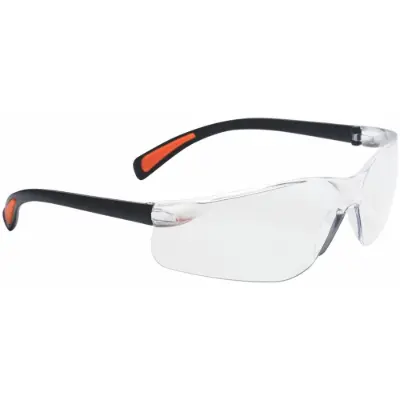
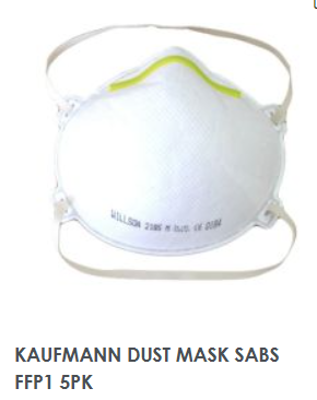
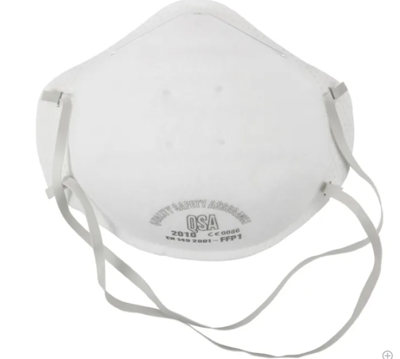
- Guard on, goggles, ear protection, gloves and a dust mask, every time.
An angle grinder is only as safe as the disc on it. Discs look similar, but a cutting disc, a grinding disc, a flap disc and a diamond blade are made for different work, and the wrong one in the wrong place can shatter at over 10,000 revolutions a minute. This guide explains the sizes, which disc does what, how to read the markings, and the checks to make before you pull the trigger.
Size, bore and speed: three things that must match
- Diameter. The common sizes are 115 mm, 125 mm and 230 mm. The disc must be the size your grinder is built for. A bigger disc cannot be guarded properly and must never go on a smaller grinder.
- Bore. The centre hole on 115, 125 and 230 mm cutting and grinding discs is 22.23 mm (7/8 inch). Product names round it to 22.2 mm. It is the same hole.
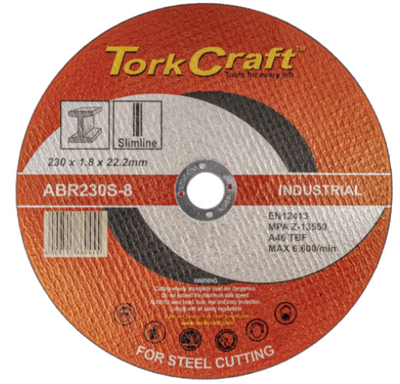
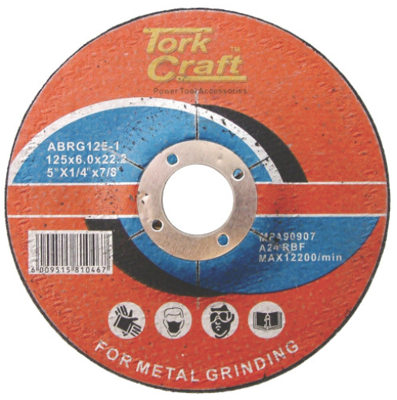
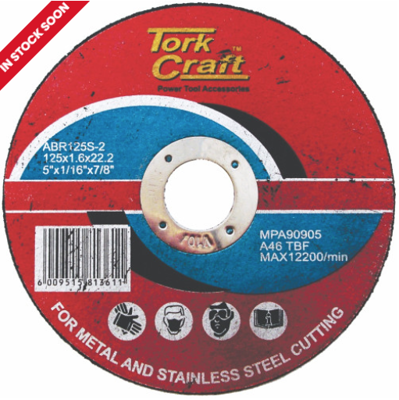
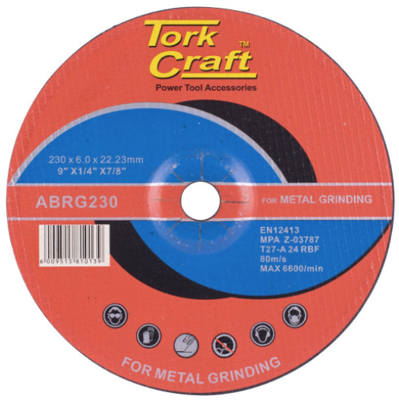
- Speed. Every disc is marked with a maximum speed, and the grinder must not spin faster than that. Typical limits are 13,300 rpm for a 115 mm disc, 12,200 rpm for 125 mm and 6,600 rpm for 230 mm. The bigger the disc, the slower it is allowed to turn.
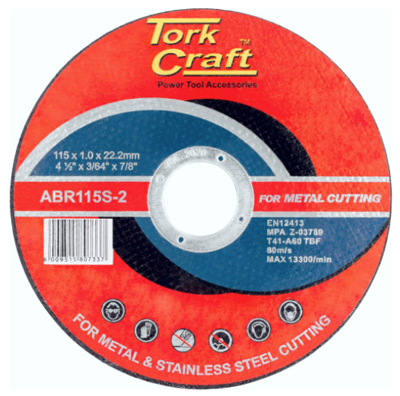
A disc is described as diameter x thickness x bore, for example 115 x 1.0 x 22.2 mm.
Which disc for which job
| Disc | Looks like | Use it for |
|---|---|---|
| Metal cutting disc | Thin and flat: 0.8 to 3 mm | Cutting steel. "Inox" on the disc means it is also for stainless steel. |
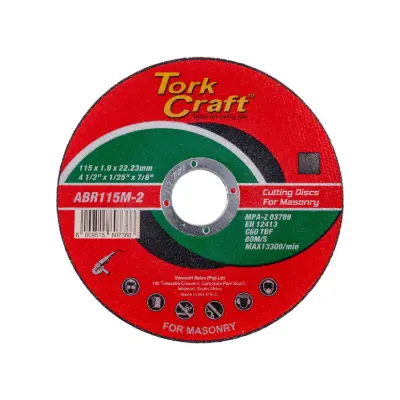
| Masonry cutting disc | Thin, a different abrasive | Cutting brick, concrete and stone. |
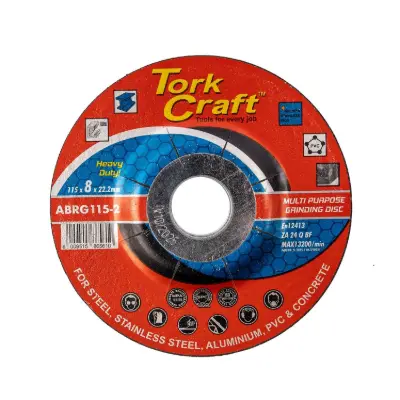
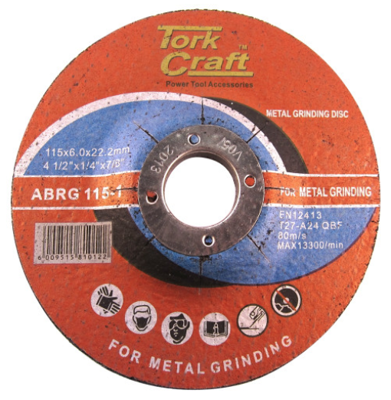
| Grinding disc | Thick (6 mm or more) with a sunken centre | Smoothing welds, removing metal, cleaning up edges. |
| Flap disc | Overlapping sandpaper flaps | Grinding, blending and finishing in one, with less gouging and heat. |
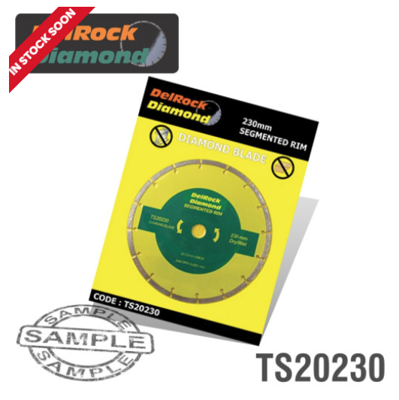
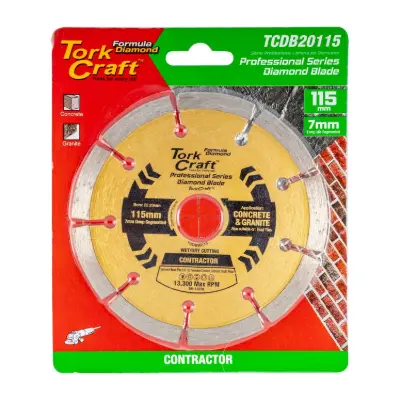
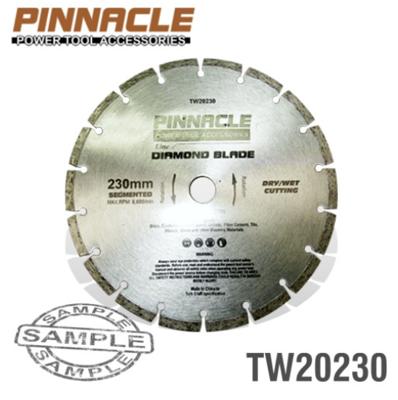
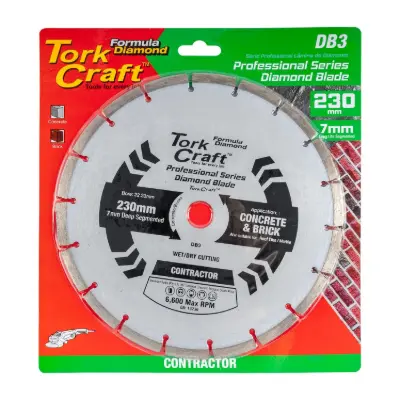
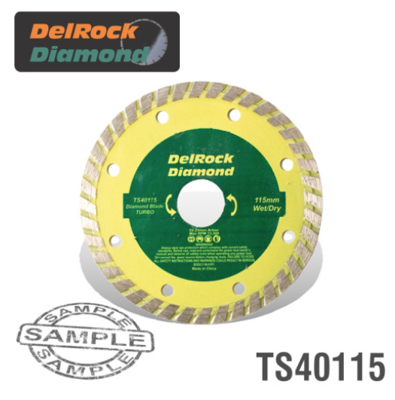
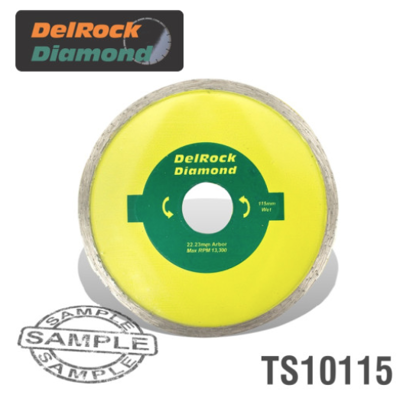
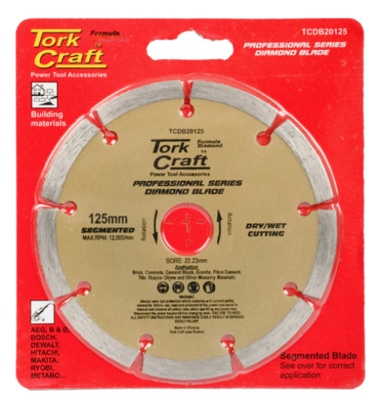
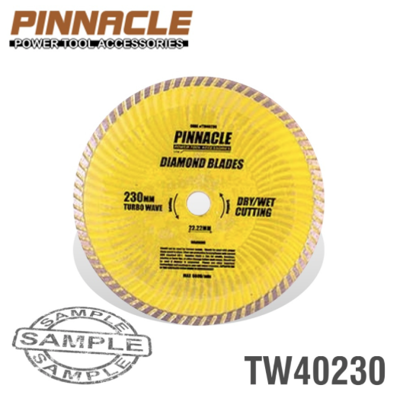
| Diamond blade | Steel disc with a diamond rim | Tiles, pavers, brick, concrete and roof tiles. |
| Wire cup brush | Cup of steel wire, screws onto the spindle | Stripping rust, paint and scale. |
A thinner cutting disc removes less metal and leaves a narrower cut. Metal discs and masonry discs use different abrasives: use the disc marked for the material. If you cut stainless steel, keep a separate disc for it, because a disc that has cut ordinary steel leaves particles behind that rust on the stainless.
Never grind with a cutting disc
This is the rule that matters most. A thin cutting disc is made to cut on its edge only. Pressing its flat side against the work to grind, or twisting it in a cut, puts a sideways load on it that it is not built for, and it can shatter. For grinding, use a grinding disc or a flap disc.
Flap discs and diamond blades
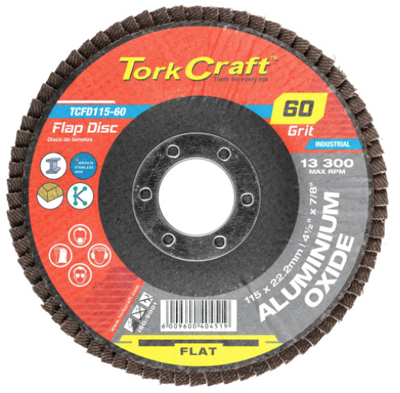
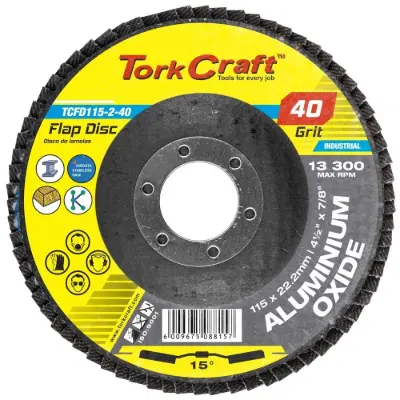
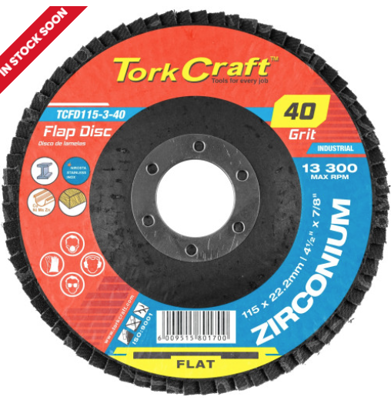
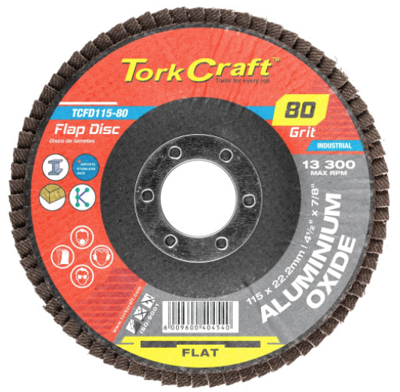
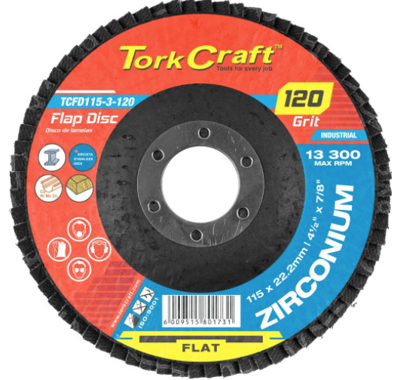
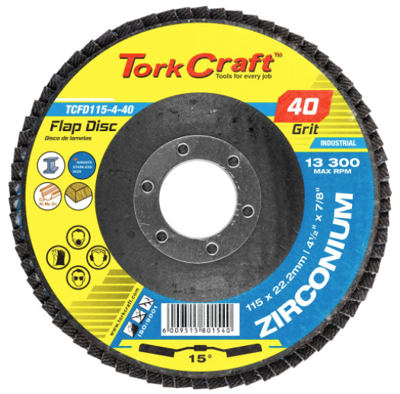
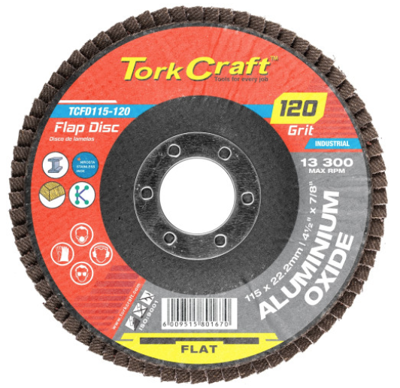
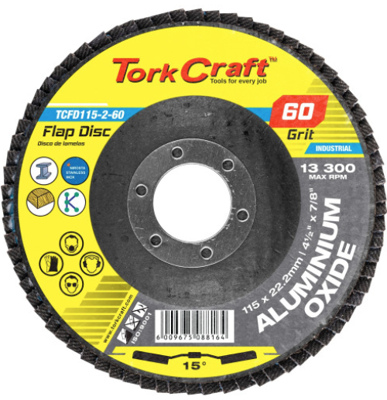
Flap discs come in grits from 40 to 120: the lower the number, the coarser the cut. Zirconium discs cut aggressively and suit stainless steel and heavy metal removal. Aluminium oxide discs are for general grinding, de-burring and rust removal. Flat discs are for flat surfaces; curved ones follow contours and welds without digging in.
Diamond blades come with three kinds of rim:
- Continuous rim: the smoothest cut, for ceramic tiles and ornamental stone.
- Turbo: faster, may chip slightly, lasts longer.
- Segmented: the longest life and the roughest cut, for masonry, concrete and brick where chipping does not matter.
When cutting dry, let the blade cool every so often by spinning it freely out of the cut, and check that the arrow on the blade matches the direction the grinder turns. On glazed tiles make a shallow first pass, then the full cut. Use an ordinary angle grinder dry unless its manual says water may be used: grinder makers warn that liquid coolant on a mains tool can cause an electric shock.
Discs expire
Resin-bonded cutting and grinding discs do not last for ever. The European abrasives federation recommends a shelf life of three years, and discs made to the EN 12413 safety standard carry an expiry date or code. Damp is what ages them, and a disc that has been wet is a safety risk. Look for the date stamped on the metal centre ring or printed on the label. If you cannot find one, or it has passed, do not use the disc.
Store discs dry and away from heat and knocks. At the coast that means indoors in a dry cupboard, not in an open garage or on the bakkie.
Before you start: the checks
- Unplug the grinder or remove the battery before changing a disc.
- Inspect the disc for chips and cracks, and a wire brush for loose wires. Never use a damaged disc.
- Fit it properly. Use the grinder's own clean, undamaged flanges and do not over-tighten. A grinding disc goes on with its sunken centre under the guard. Never force a disc on or alter it to fit.
- Keep the guard on, turned so that it sits between you and the disc.
- Run it for 30 seconds to a minute with nobody in line with the disc before you start work.
- Wear goggles or a face shield, ear protection, gloves and a dust mask. Wire brushes throw bristles that go through light clothing.
- Clamp the work and cut straight. Do not twist or force the disc, do not try to cut curves, and do not restart with the disc sitting in the cut. A pinched disc kicks back.
- Mind the sparks. Keep away from dry grass, fuel and thinners.
Dust from cutting brick, concrete and tile damages the lungs, so wear a proper dust mask. Do not fit toothed or wood-cutting blades unless your grinder's manual allows them: grinder makers warn that they cause frequent kickback.
Products for this job
In stock at HPM now, with today's prices (incl. VAT). Tap a product for details, delivery and to add it to your cart.
Cutting and grinding discs
Flap discs
Diamond blades
Safety gear for grinding

What you need
These links open the matching products in the HPM online store, with live prices (incl. VAT) and stock.
- Cutting discs - steel, stainless and masonry
- Flap discs - 40 to 120 grit
- Diamond blades - segmented, turbo and continuous rim
- Angle grinders
- Tools and power tools
- Safety gear - goggles, face shields, ear protection, gloves, dust masks
Questions and answers
Can I grind with a cutting disc?
No. A thin cutting disc is made to cut on its edge only. Side pressure from grinding, or twisting it in a cut, can make it shatter. Use a grinding disc or a flap disc for grinding.
What is the difference between a cutting disc and a grinding disc?
A cutting disc is thin, from about 0.8 to 3 mm, and cuts on its edge. A grinding disc is thick, 6 mm or more, with a sunken centre, and is used on its face to remove metal and smooth welds.
Do angle grinder discs expire?
Resin-bonded cutting and grinding discs do. The European abrasives federation recommends a shelf life of three years, and discs made to the EN 12413 standard carry an expiry date or code, usually on the metal centre ring or the label. Damp shortens their life. Do not use a disc that is past its date or has been wet.
Which disc do I use to cut tiles or pavers?
A diamond blade. A continuous-rim blade gives the smoothest cut in ceramic tiles; a turbo blade is faster with slight chipping; a segmented blade lasts longest and suits brick, pavers and concrete where chipping does not matter.
What does inox mean on a cutting disc?
Stainless steel. A disc marked inox is made for steel and stainless steel. Keep a separate disc for stainless, because a disc that has cut ordinary steel leaves particles that rust on the stainless.
Related guides
Delivery from HPM
Parcels up to 50 kg are delivered by courier anywhere in South Africa, with the rate shown at checkout. Heavy building materials such as cement, bricks, sand, stone and timber are delivered by our own trucks in the Western Cape, and any order can be collected free in Struisbaai.
WhatsApp 076 370 4367 for a quote, call 028 435 6331 or email [email protected].
Sources
The facts in this guide were checked against:
- Safety recommendations for the use of cutting and grinding wheels for angle grinders (2016) - FEPA - Federation of European Producers of Abrasives
- Thin Steel & Stainless Steel Cutting Disc 115 x 1.0 x 22.2 mm - product page - Tork Craft (Vermont Sales)
- Diamond Blade Segmented 115mm - product page with blade-type guide - Tork Craft (Vermont Sales)
- Angle Grinder GA4040C / GA4540C / GA5040C - Instruction Manual - Makita Corporation
- EN 12413: Safety requirements for bonded abrasive products - European Committee for Standardization
General guidance only. Products, sites and building rules differ - always follow the product data sheet and your approved plans, and check with your municipality or a registered professional where the work is structural, electrical or needs approval. More short answers: Building Facts & Advice.