In short
- Ask which grade of stainless steel a braai is made of. 316 is the grade recommended within 4 km of the sea.
- Painted mild steel is the affordable standard: sand and repaint rust early with heat-resistant paint.
- Get the ash out after every braai. Wet ash in a steel braai speeds up rust.
- Never use steel wool or a wire brush on stainless steel panels.
- Check the fire danger index. No braai on a Red Day, and soak the coals before you leave.
A braai at the coast lives outside in salt air and gets a fire made in it every weekend. Both are hard on steel. This guide explains what braais are made of and which steel stands up to the sea, how to look after the one you have, and the fire rules that apply in the Overberg in summer.
What the braai is made of
| Material | What to know |
|---|---|
| Painted mild steel | The standard and the most affordable. Built-in units are typically 2.5 to 3 mm steel with high-heat black paint. Fire damages any paint, so surface rust will come and has to be kept in check. |
| 3CR12 | A South African 12% chromium utility stainless steel, developed as a longer-lasting alternative to coated ordinary steel. It is a working grade, not a decorative one, and may discolour at the sea. |
| 430 stainless steel | The least corrosion-resistant of the common stainless grades. A magnet sticks to it. |
| 304 stainless steel | The general-purpose grade. The stainless steel association recommends it for inland use. |
| 316 stainless steel | Contains molybdenum for better corrosion resistance. The grade the association recommends for outdoor use within 4 km of the sea. |
Two things to take from this. First, "stainless steel" on a label tells you little: ask which grade, and get it in writing. Second, a magnet is not a test. It sticks to some true stainless steels and not to others.
The floor of the braai, where the fire is made, is usually the first part to go, and bigger fires do more damage.
Built-in, freestanding or gas
- Built-in braais are steel units with a flue outlet on top, built into brickwork under a chimney. The maker supplies the flue pipes, cowl and insulation, and its installation instructions must be followed. A braai under a roof or lapa is a building-plan matter, and chimneys fall under the building regulations.
- Freestanding braais can be moved under cover when you are not using them.
- Gas braais light at once and leave no coals or ash to deal with. They are for outdoor use only, not on an enclosed balcony or stoep, and need the cylinder, regulator and hose kept in good order: see gas at home.
Never use a portable braai indoors. Apart from the fire risk, it can cause carbon monoxide poisoning.
Looking after a braai at the coast
- Clean the grid while it is still hot, before the fat hardens.
- Get the ash out. Dampen it slightly so it does not blow about, scoop it out, then wipe out the paste and moisture that is left. Wet ash lying in a steel braai speeds up rust.
- Painted steel: when rust starts, sand it back to bare metal and repaint with heat-resistant paint.
- Stainless steel still needs washing. It discolours and corrodes at the sea if it is left dirty, starting in crevices and places the rain cannot reach. Wash it with soapy water and a soft cloth, along the grain, then rinse and dry.
- Never use steel wool, a wire brush or a metal scourer on stainless steel. They leave specks of ordinary steel behind, and those rust. Use a nylon pad. Keep bleach-type cleaners and scouring powders away from it too.
Fire safety and fire danger days
The Western Cape's fire season is the hot, dry summer and autumn. Open fires are a common cause of runaway fires, and on certain days recreational fires are prohibited according to the daily fire danger rating.
- Check the fire danger index for the Overberg before you light up. On a Red Day - hot, dry and very windy - fire can spread up to 60 metres a minute, and the local fire protection association warns against lighting a match for any reason, an afternoon braai included.
- Do not light a fire when it is windy.
- Keep the braai well away from plants, structures and anything that burns, and from children and pets.
- Never use petrol or paraffin to start or revive a fire. Paper, kindling or firelighters only.
- Never leave a fire unattended, burning or smouldering.
- Put it out properly. Coals hold their heat for a long time. Soak them with water and stir sand into them before you leave or go to bed, and soak the coals of a dead fire before you throw them away.
Report smoke or fire at once on 112 from a cell phone or 10177 from a landline. Burning garden waste is not a braai: it needs a burn permit, and is not allowed on high fire danger days. If your house or lapa is thatched, tell your insurer.
Braai wood and the law
Some of the best-known braai woods come from protected trees. Camel thorn (kameeldoring) and leadwood (hardekool) are on the national list of protected trees, and so is the white milkwood of the Struisbaai coast. Nobody may cut, damage, transport, buy or sell a protected tree or its wood without a licence. Buy kameeldoring and hardekool only from a supplier who can show a licence, and never cut or collect milkwood.
Rooikrans, Port Jackson and Australian blackwood are listed invasive species. Burning wood from cleared invaders does not touch protected trees.
Products for this job
In stock at HPM now, with today's prices (incl. VAT). Tap a product for details, delivery and to add it to your cart.
Braai and cook
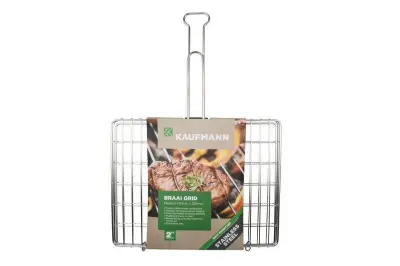
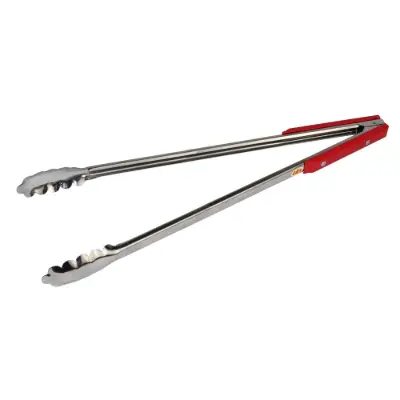
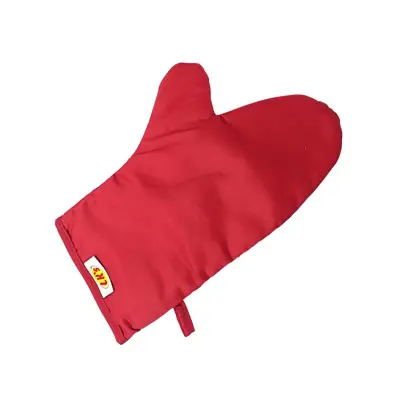
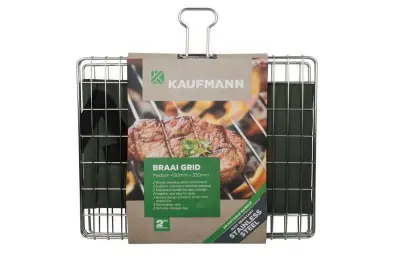
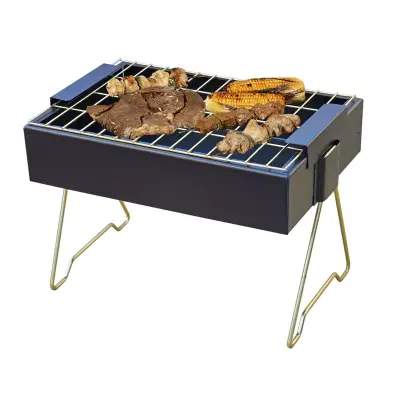
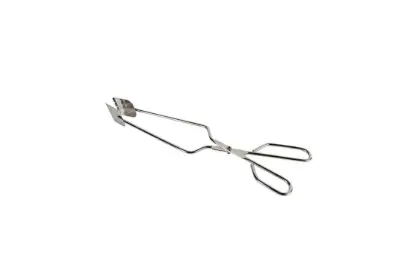
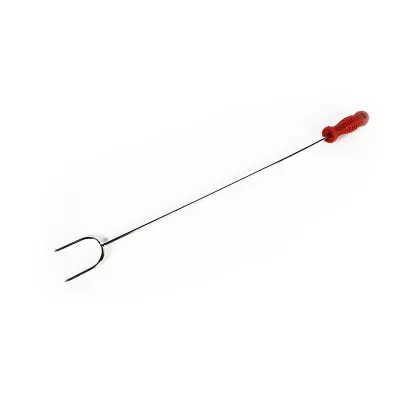
Braai grids and tools
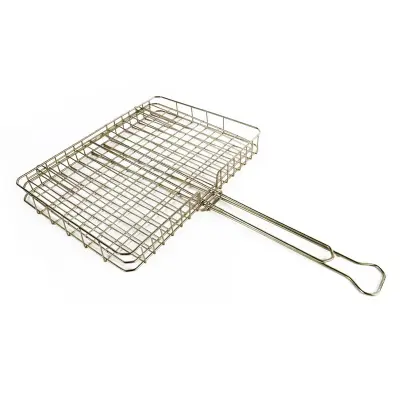
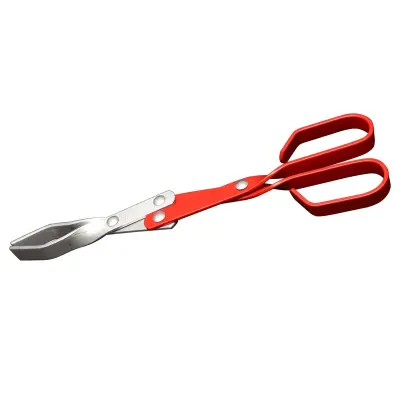
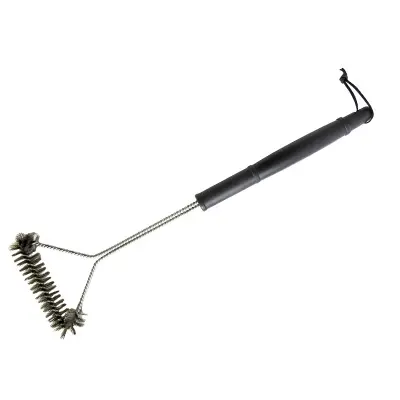
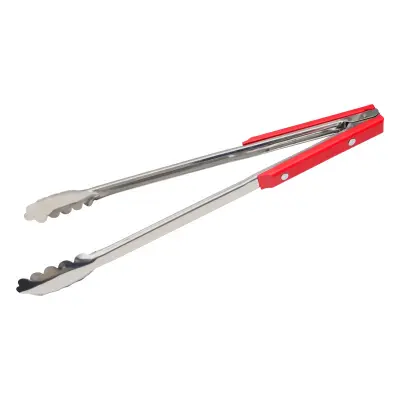
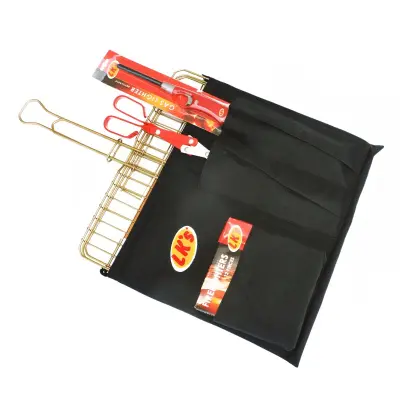
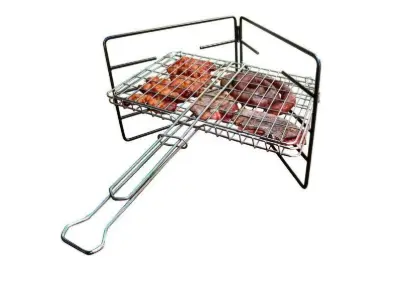
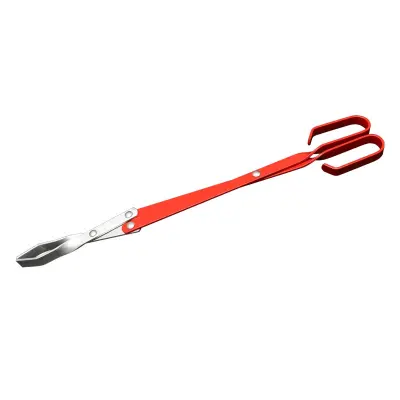
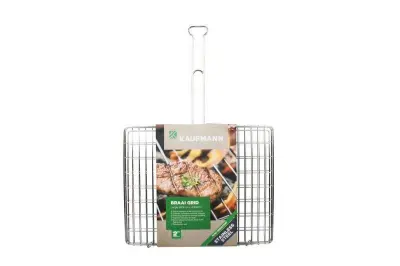
Gas braai and cooking
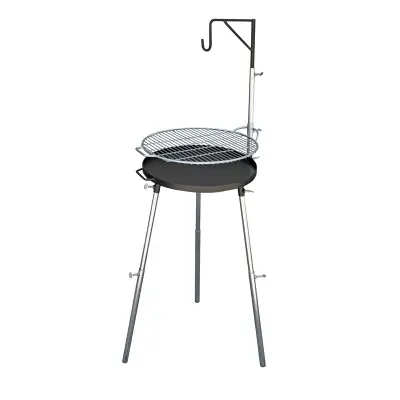
What you need
These links open the matching products in the HPM online store, with live prices (incl. VAT) and stock.
- Braai and cook - braais, grids, tongs and accessories
- Braai grids - stainless steel and plated
- Gas braais, cylinders and regulators
- Heat-resistant paint - for touching up painted steel
- Braai tools
- Ask about built-in braais - sizes, steel and delivery
Questions and answers
Which braai does not rust at the sea?
None is maintenance-free, but the steel matters. The stainless steel association recommends grade 316 for outdoor use within 4 km of the sea and 304 for inland. Painted mild steel is the affordable standard and lasts if rust is sanded and repainted early. Ask which grade a stainless braai is and get it in writing.
Is a 3CR12 braai stainless steel?
3CR12 is a South African 12% chromium utility stainless steel, developed as a longer-lasting alternative to coated ordinary steel. It is a working grade rather than a decorative one, it is not on the stainless steel association's list for the coast, and it may discolour at the sea.
How do I clean a stainless steel braai?
Soapy water and a soft cloth or nylon pad, along the grain, then rinse and dry. Never use steel wool, wire brushes or metal scourers: they leave specks of ordinary steel that rust. Avoid bleach-type cleaners. At the coast, wash sheltered parts and crevices in particular.
Can I braai on a Red Day in the Overberg?
No. On a Red fire danger day - hot, dry and very windy - fire can spread up to 60 metres a minute, and the Greater Overberg Fire Protection Association warns against lighting a match for any reason, including an afternoon braai. Check the daily fire danger index first.
Is kameeldoring braai wood legal?
Camel thorn (kameeldoring) and leadwood (hardekool) are protected trees, and nobody may cut, transport, buy or sell the wood without a licence. Buy only from a supplier who can show one. White milkwood, which grows along the Struisbaai coast, is also protected. Rooikrans and other cleared invasive wood is not.
Related guides
Delivery from HPM
Parcels up to 50 kg are delivered by courier anywhere in South Africa, with the rate shown at checkout. Heavy building materials such as cement, bricks, sand, stone and timber are delivered by our own trucks in the Western Cape, and any order can be collected free in Struisbaai.
WhatsApp 076 370 4367 for a quote, call 028 435 6331 or email [email protected].
Sources
The facts in this guide were checked against:
- Maintaining Stainless Steel in and Around the House - Southern Africa Stainless Steel Development Association (Sassda)
- The Sassda Guide for Architects, Consulting Engineers and Quantity Surveyors - Southern Africa Stainless Steel Development Association (Sassda)
- Fire prevention - CapeNature
- Do's and don'ts of a Red Day - Greater Overberg Fire Protection Association
- List of protected tree species under the National Forests Act, 1998 (Government Gazette 44204, 2021) - Department of Forestry, Fisheries and the Environment
- Super Deluxe Built-in Braais - Home Fires
General guidance only. Products, sites and building rules differ - always follow the product data sheet and your approved plans, and check with your municipality or a registered professional where the work is structural, electrical or needs approval. More short answers: Building Facts & Advice.