In short
- Only accept a cylinder with a branded shrink-wrap seal that matches the cylinder.
- The regulator must match both the cylinder valve and the appliance.
- Test every joint with soapy water after connecting. Bubbles mean a leak. Never use a flame.
- Indoors: at most 9 kg in a flat and 19 kg in a house, upright, never below ground level.
- Fixed gas appliances must be installed by a registered gas installer, who issues a Certificate of Conformity.
LP gas is safe when the cylinder, regulator and hose are right and in good condition, and dangerous when one of them is not. This guide covers what to check when you buy or exchange a cylinder, how to match the regulator, how to test for leaks, where cylinders may be kept, and which gas work the law reserves for a registered installer.
Cylinders: sizes and what to check
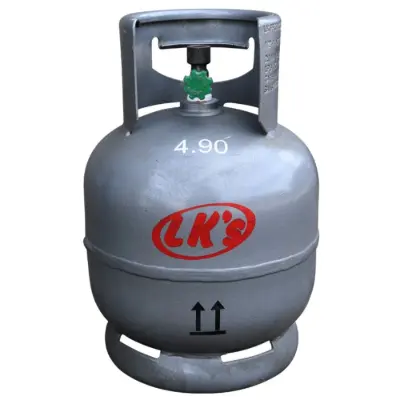
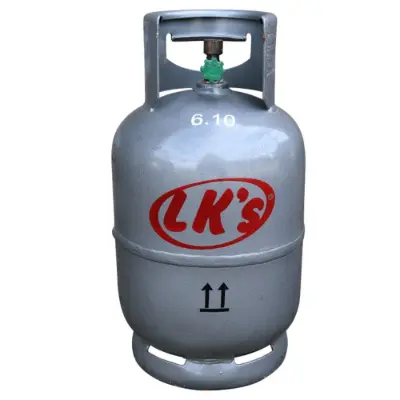
Household cylinders are sold by the mass of gas they hold: small 3, 5 and 7 kg cylinders for portable appliances, then 9 kg, 19 kg and 48 kg. A cylinder is filled to only 80% of its volume so the liquid gas has room to expand in the heat.
- Check the seal. A legally filled cylinder has a shrink-wrap seal over the valve with the same brand on it as on the cylinder body. Refuse a cylinder with no seal, a plain clear seal, or a seal that only says "LPG".
- Do not use back-yard refillers. Only licensed sites may fill cylinders. An overfilled cylinder has no space for the gas to expand and can rupture on a hot day; an underfilled one means you paid for gas you did not get.
- Cylinders are re-tested, typically every ten years.
Regulator, hose and clamps
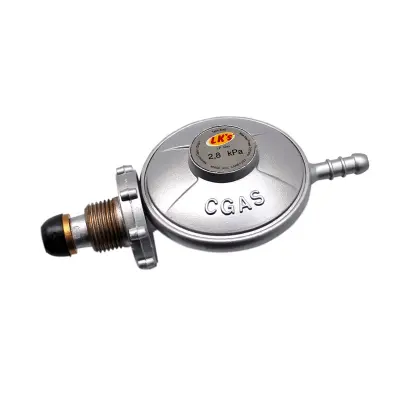
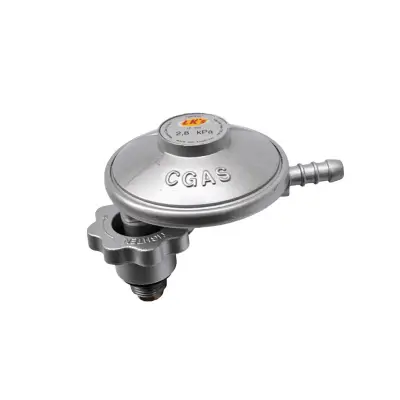
The regulator drops the pressure in the cylinder to what the appliance needs. Three things must match:
- The cylinder valve. There are two valve types and regulators are not interchangeable between them. The 9 kg and larger cylinders have a side outlet; small camping cylinders have a top outlet that takes a screw-on regulator. A heater made for one must not be used on the other.
- The appliance. Portable gas braais, stoves and heaters sold in South Africa typically use a low-pressure 2.8 kPa regulator, but use the regulator the appliance maker specifies.
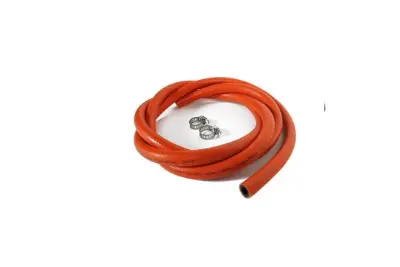
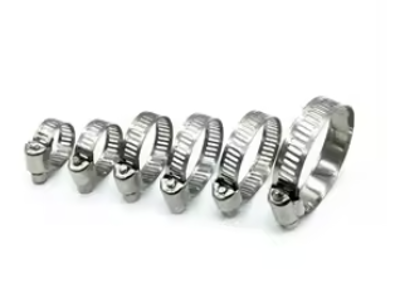
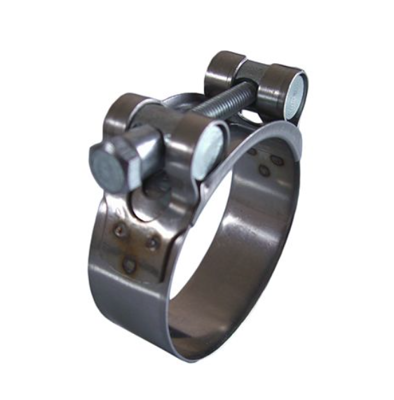
- The hose. An 8 mm gas hose made for LP gas and SABS approved, fixed at each end with the right size of hose clamp, not over-tightened.
Keep the hose short and in one piece: Cadac gives 0.8 to 1.5 metres for its appliances. No joints, no T-pieces, never through a wall or window, and away from heat. Check the hose before every use and replace it at the first sign of cracking or perishing, and in any case by about five years if it stands in the sun. Every connection seals on a rubber washer: check that it is there and sound each time you change a cylinder.
Connecting a cylinder and testing for leaks
- Change cylinders outdoors or in a well-ventilated place, away from flames, with the appliance off.
- Check the washer, connect the regulator and tighten it as the appliance manual says.
- Open the cylinder valve one and a half turns, wait about half a minute and smell for gas.
- Brush soapy water (dishwashing liquid and water) over every joint: the valve, the regulator, both ends of the hose and the appliance connection. Bubbles mean a leak. Never test with a flame.
- Close the valve at the cylinder after use and whenever the appliance is unattended.
A good flame is blue with a yellow or orange tip. A yellow, lazy or sooty flame means something is wrong with the gas flow or the appliance: stop using it and have it checked.
If you smell gas
- Close the valve on the cylinder.
- Take the cylinder outside.
- Open all the doors and windows until the smell has gone. No flames.
- Check the connections and hose, then test with soapy water.
- If the leak is still there, take the appliance to a gas dealer or call a registered installer.
LP gas is heavier than air. Leaked gas sinks and collects in low places, which is why cylinders must be kept away from drains, pits and basements.
Where cylinders may be kept
- Always upright, on a firm surface. A cylinder lying down leaks liquid instead of vapour, which is far more gas.
- Indoors, the installation standard limits the amount: a maximum of 9 kg in a flat and 19 kg in total in a house. Never below ground level, not above or right next to a stove, and only where there is ventilation at floor level to the outside.
- 48 kg cylinders belong outdoors, upright on a firm, level base, clear of dry grass and rubbish, protected from tampering and vehicles. The standard sets distances: 1 metre from a door, window or airbrick below the level of the valve, 2 metres from a drain or manhole, and 3 metres from the boundary unless there is a firewall.
- Spare cylinders are best stored outdoors.
These figures are from the installation standard, SANS 10087-1. A registered installer works to the current edition, and municipal by-laws may add to it.
Gas heaters indoors
- Ventilate. Keep a window slightly open when a gas appliance is burning, even when it is cold.
- Not in a closed bathroom, and not in a bedroom without permanent ventilation to the outside.
- Give it space. One maker's cabinet heater needs 500 mm clear at the sides and back and a metre in front, away from curtains and furniture.
- Buy an approved appliance. Look for the LP gas association's safe appliance mark.
Who may install gas, and the certificate
You may buy and exchange cylinders, connect a portable appliance to its cylinder as the manual shows, and test for leaks. Everything fixed is different. Under the Pressure Equipment Regulations nobody may install, alter or remove a gas appliance or gas system unless they are an authorised person, and a Certificate of Conformity must be issued when the work is done. A fixed stove, hob, gas geyser or built-in gas braai must be piped to cylinders outside and installed by a registered gas installer.
- Ask to see the installer's SAQCC Gas card. It shows what work the installer is registered for and when the card expires, and can be checked on the SAQCC Gas website.
- Keep the certificate. Insurers and property transfers commonly ask for it.
Carrying a cylinder in the car
Transport cylinders upright and wedged so they cannot fall over. Do not carry them over long distances in a car, and do not leave one in a parked car, least of all on a hot day.
Products for this job
In stock at HPM now, with today's prices (incl. VAT). Tap a product for details, delivery and to add it to your cart.
Regulators, hoses and clamps
Gas cylinders and spares


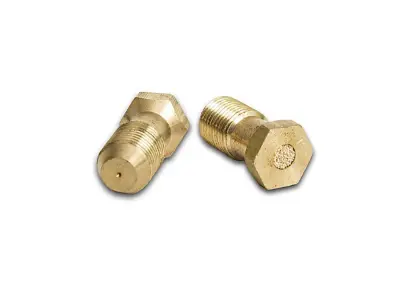
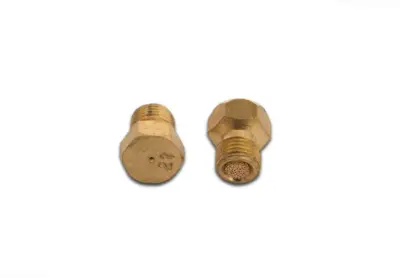
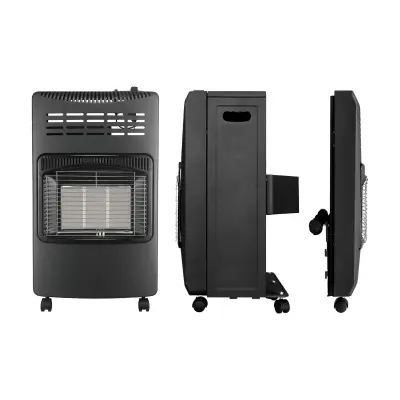
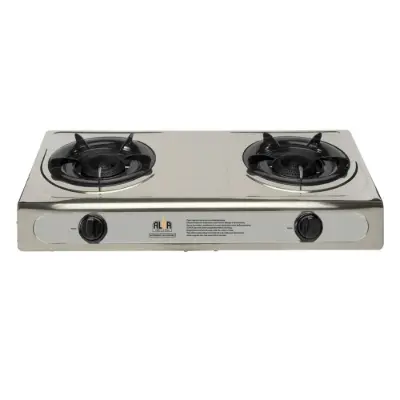
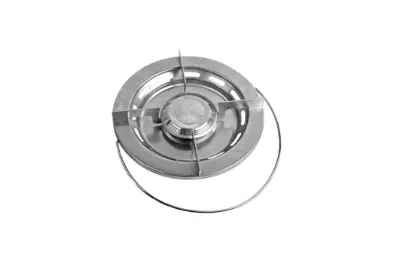
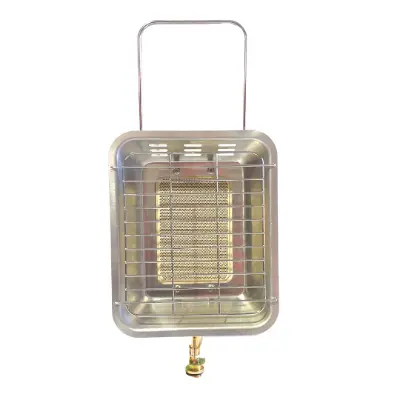
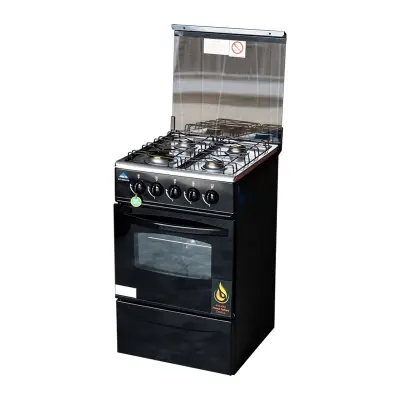
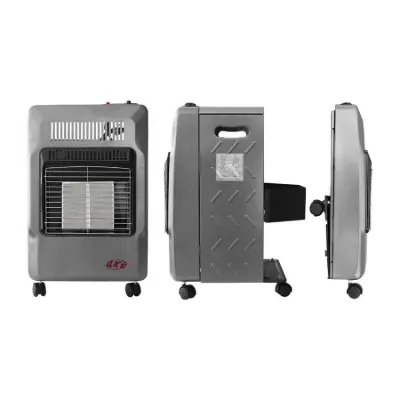
Gas heaters, stoves and lights
What you need
These links open the matching products in the HPM online store, with live prices (incl. VAT) and stock.
- Gas regulators - match the cylinder valve and the appliance
- Gas hose and clamps
- Gas cylinders
- Braai and cook - gas braais, stoves and spares
- Gas heaters
- Cadac spares - seals, jets and mantles
Questions and answers
How do I check a gas cylinder for leaks?
Open the cylinder valve one and a half turns, wait about half a minute and smell for gas. Then brush soapy water over every joint: the valve, the regulator, both ends of the hose and the appliance connection. Bubbles mean a leak. Never test with a flame.
How much gas can I keep inside my house?
The installation standard, SANS 10087-1, limits it to 9 kg in a flat and a total of 19 kg in a house, upright, never below ground level and with ventilation at floor level. 48 kg cylinders belong outdoors. A registered installer works to the current edition of the standard.
How often should a gas hose be replaced?
Inspect it before every use and replace it at the first sign of cracking, perishing or damage. The installation standard says hose that is over five years old and exposed to sunlight should be replaced as a matter of course.
Do I need a certificate for a gas stove or geyser?
Yes. Under the Pressure Equipment Regulations only an authorised person may install, alter or remove a gas appliance or gas system, and a Certificate of Conformity must be issued when the work is done. Use an SAQCC Gas registered installer and keep the certificate.
What should I do if I smell gas?
Close the valve on the cylinder, take the cylinder outside and open all doors and windows until the smell has gone. No flames. Then check the hose and connections and test them with soapy water. If the leak persists, take the appliance to a gas dealer or call a registered installer.
Related guides
Delivery from HPM
Parcels up to 50 kg are delivered by courier anywhere in South Africa, with the rate shown at checkout. Heavy building materials such as cement, bricks, sand, stone and timber are delivered by our own trucks in the Western Cape, and any order can be collected free in Struisbaai.
WhatsApp 076 370 4367 for a quote, call 028 435 6331 or email [email protected].
Sources
The facts in this guide were checked against:
- Safety Tips - Liquefied Petroleum Gas Safety Association of Southern Africa (LPGSA)
- Regulations (Pressure Equipment Regulations, regulation 17) - SAQCC Gas
- Handigas consumer brochure - Afrox
- SANS 10087-1: The handling, storage, distribution and maintenance of liquefied petroleum gas in domestic, commercial and industrial installations - South African Bureau of Standards
- Pressure Equipment Regulations, 2009 (Occupational Health and Safety Act 85 of 1993) - Department of Employment and Labour
General guidance only. Products, sites and building rules differ - always follow the product data sheet and your approved plans, and check with your municipality or a registered professional where the work is structural, electrical or needs approval. More short answers: Building Facts & Advice.