In short
- Ask your insurer how long the house may stand empty. Limits such as 31 or 60 days in a row are common, and they differ.
- Before you leave: geyser off, gas closed at the cylinder, appliances unplugged, and a water meter test for leaks.
- When you arrive: walk the roof line, gutters and walls first, then hose the salt off the sheltered places.
- Let the geyser reach 60 degrees before using hot water, and check its overflow pipe.
- Small jobs on every visit - screws, sealant, a coat on the wood - prevent the big ones.
A holiday house at the coast has two enemies: salt air, and nobody being there. A dripping valve, a lifted roof sheet or a leaking toilet that would be noticed in a day at home can run for three months in a house that stands empty. This guide is a pair of checklists - what to do when you lock up, and what to check when you arrive - written for houses in places like Struisbaai and Agulhas.
First, check your insurance
Insurers treat an empty house differently, and the rules differ from one insurer to the next. One South African insurer requires you to tell it if the home will be unoccupied for more than 31 days in a row, and says a claim during an undisclosed period will be rejected. Another sells cover for more than 60 consecutive days empty as an optional extra. A third lists unoccupied buildings among its exclusions. A person staying in an outbuilding may not count as the house being occupied.
- Ask your insurer how long the house may stand empty, and what it requires during that time: an alarm, burglar bars, regular inspections.
- Tell the insurer before you rent the house out to paying guests.
- Ask whether outdoor furniture and braais are covered.
- Keep up the maintenance. Damage from neglect is commonly excluded.
When you lock up
Water
- Switch the geyser off at the distribution board. Eskom advises this whenever you are away for more than three days.
- Test for leaks before you go. Close every tap, do not flush, read the water meter, wait 15 minutes and read it again. If it has moved, something is leaking. A leaking toilet wastes 2,600 to 13,000 litres a month, and in an empty house it runs until your next visit, on your account.
- Close the small stopcock at the base of each toilet if a cistern is suspect.
- If you close the main stopcock as well, do it only with the geyser switched off.
Electricity
- Unplug what does not need to run. Appliances on standby still draw power, and surges when the power comes back after an outage are one of the biggest causes of appliance damage. Nobody will be there to switch things off first.
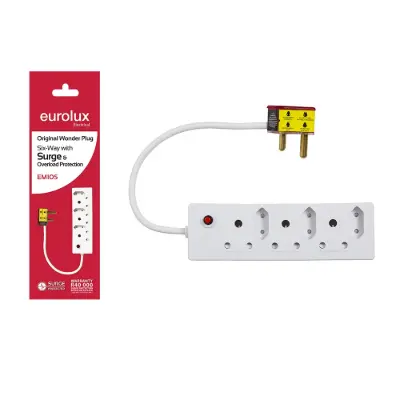
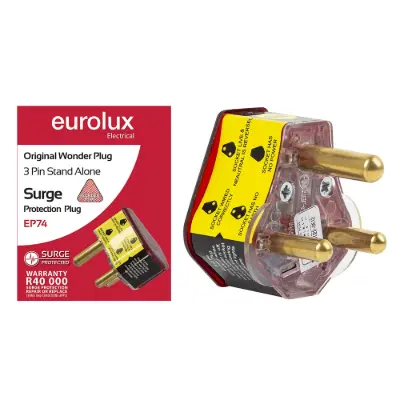
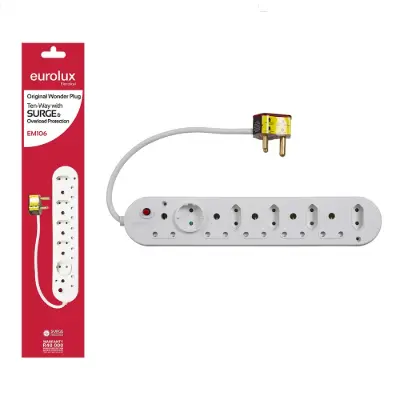
- Put surge protection plugs on what must stay on, such as the fridge and the alarm.
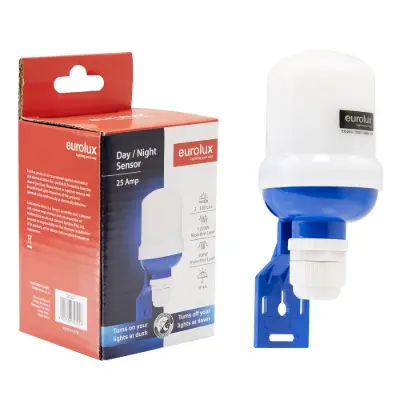
- Set a timer or sensor light so the house does not sit dark every night.
Gas, braai and yard
- Close the gas at the cylinder, not just at the appliance.
- Clean out the braai and put it under cover.
- Leave nothing loose in the yard that the wind can throw or a thief can use.
People
- Tell your security company and a neighbour that the house is empty, and who to phone.
- Stop deliveries, or have someone collect the post.
When you arrive
Walk around the outside first
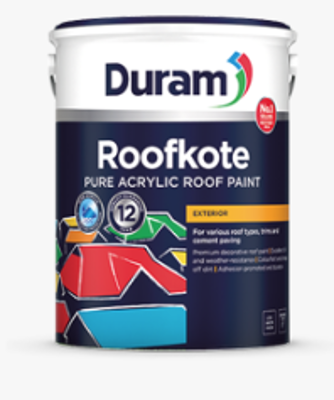
- Roof: look for lifted sheets, rusted or missing screws and rust at sheet ends and overlaps. Rust there spreads unless it is cleaned and painted in good time.
- Gutters and downpipes: clear leaves and sand, and look for joints that have opened.
- Walls: blisters, peeling paint and white salts low on a wall or under a window mean water is getting in. Find the leak before you think about paint.
- South walls and under the eaves: black or green growth is mould, and it must be killed before any repainting.
- Timber doors, frames and decks: if the wood looks dry or grey, it is due for a coat. A dressing lasts about six months; a cracked varnish has to be stripped.
Rinse the salt off
Salt settles where rain never reaches: under the eaves, on sheltered roof sheeting, on balustrades, handles, hinges and the braai. A sheeting maker says these deposits are particularly aggressive on steel and are easily removed by a gentle hosing with clean water. Stainless steel needs it too. The stainless steel association says stainless near the sea still discolours and corrodes without a simple cleaning routine, starting in crevices and places the rain cannot wash.
Water and geyser
- Switch the geyser on and give it time. A 150 litre geyser takes about two to two and a half hours to heat from cold. Let it reach its full 60 °C before you use the hot water.
- Look at the geyser overflow pipe outside. A little water while it heats is normal. A constant heavy flow means a valve needs a plumber.
- Run every tap and flush every toilet to refill the traps and clear the standing water.
- Look at the ceiling under the geyser for stains.
Gas and electricity
- Gas: open the cylinder valve, wait about half a minute and smell for gas. Brush soapy water on the joints: bubbles mean a leak. Check hoses and appliances for corrosion.
- Electricity: if the earth leakage has tripped, or anything electrical has been wet, have an electrician check it before you use it.
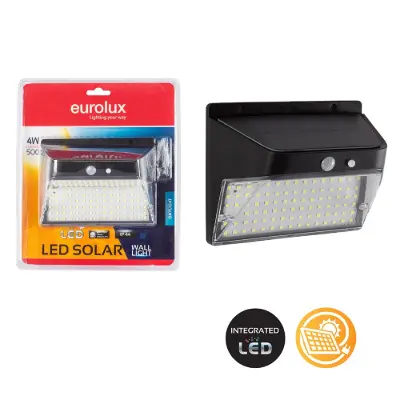
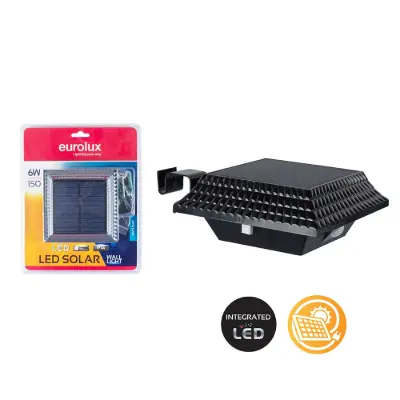
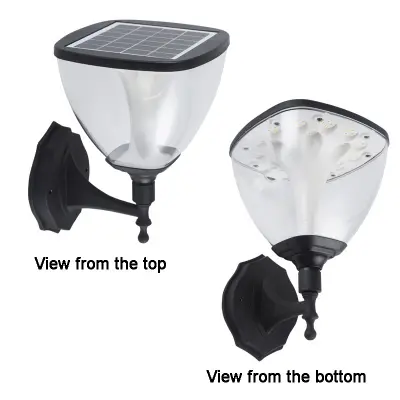
- Security lights: walk past the sensors to test them, and wipe the solar panels.
Jobs worth doing on every visit
- Hose down the sheltered parts of the roof, the eaves and the metalwork.
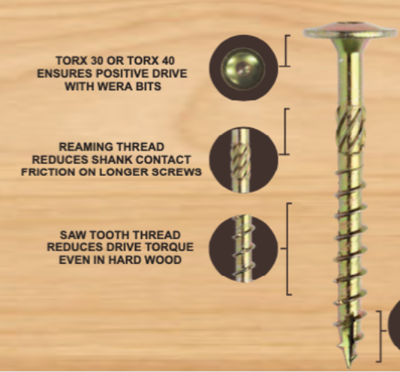
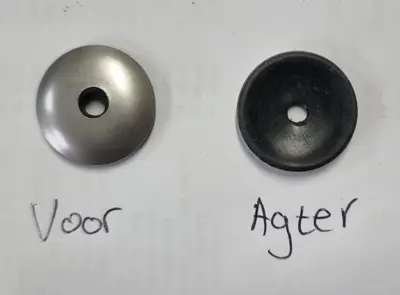
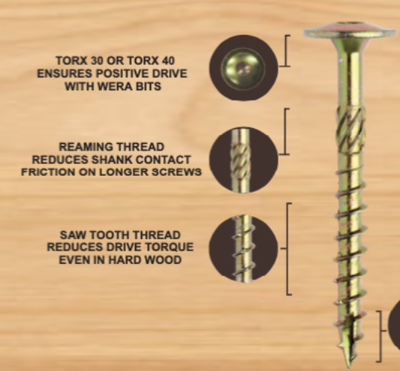
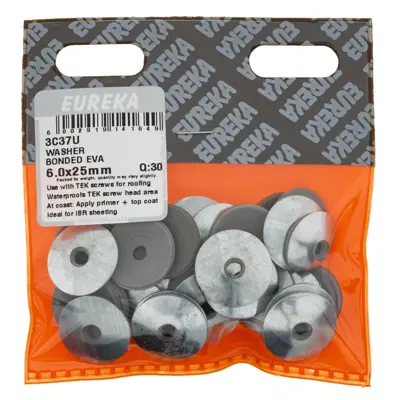
- Replace any roofing screw that is rusted or loose, with its washer, in the class the sheeting maker specifies.
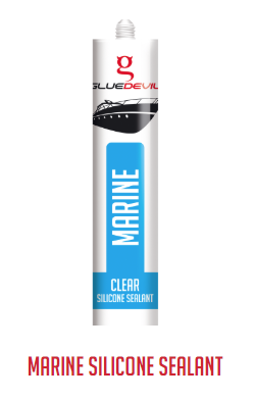
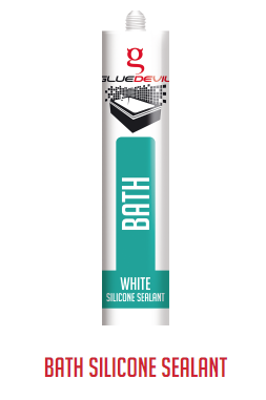
- Reseal gutter joints and flashings with a neutral-cure silicone. The ordinary vinegar-smelling kind can corrode galvanised iron.
- Give outdoor wood its maintenance coat while it is still sound.
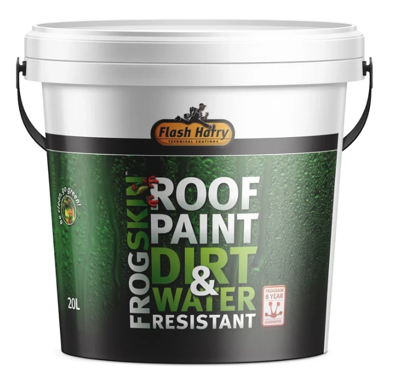
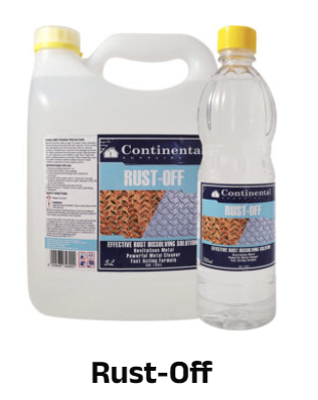
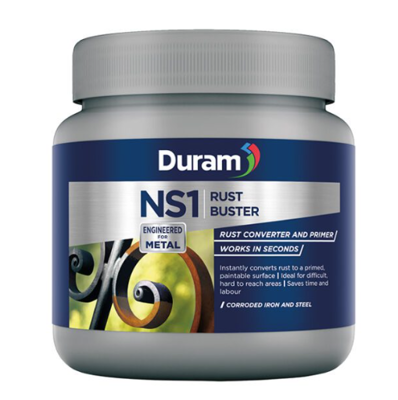
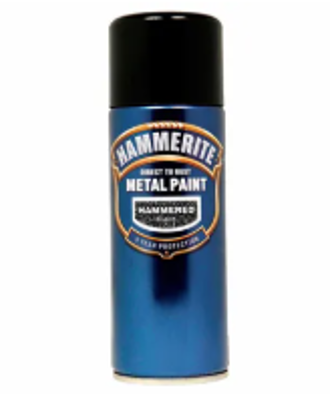
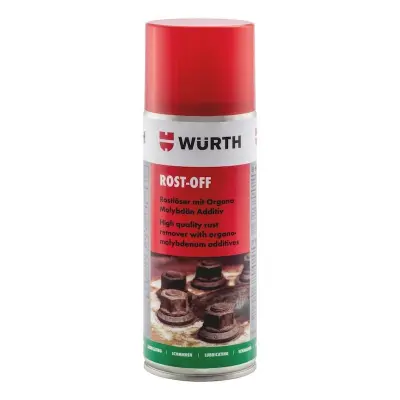
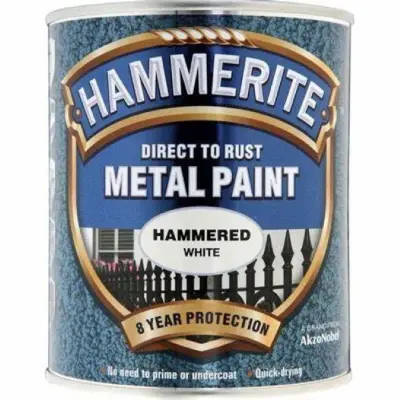
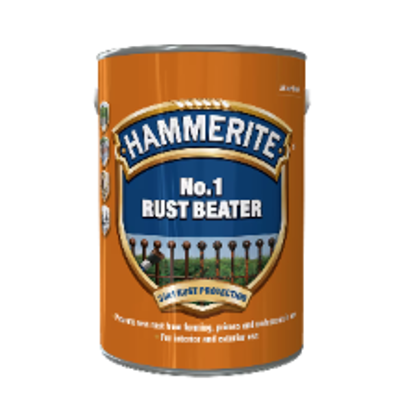
- Touch up rust on gates, burglar bars and brackets: clean to bright metal, prime, paint.
Each of these has its own guide: roofing screws, roof waterproofing, paint problems, sealing outdoor wood, geysers and running toilets.
Leave roof work beyond a few screws on a low, safe roof to a roofing contractor, geyser valves to a plumber and gas repairs to a registered gas installer. If you are not at the house and need something delivered or a quote before you arrive, send HPM a WhatsApp: we are in Struisbaai and deliver in the area.
Products for this job
In stock at HPM now, with today's prices (incl. VAT). Tap a product for details, delivery and to add it to your cart.
Surge protection, timers and sensor lights




Roof and gutter repairs
Rust treatment and metal paint
Solar and security lights



What you need
These links open the matching products in the HPM online store, with live prices (incl. VAT) and stock.
- Surge protection plugs - for the fridge, alarm and anything left on
- Timers and sensor lights - so the house is not dark every night
- Solar and security lights
- Roofing screws and washers
- Sealants - neutral-cure for gutters and flashings
- Paint, sealers and rust treatment
- Cleaning - hoses, brushes and cleaners
Questions and answers
How long can a holiday home stand empty before it affects the insurance?
It depends on the insurer, so ask yours. One South African insurer requires you to disclose more than 31 days in a row and says claims during an undisclosed period will be rejected; another sells cover for more than 60 consecutive days empty as an optional extra. Someone staying in an outbuilding may not count as the house being occupied.
Should I switch the geyser off when I leave my holiday house?
Yes. Eskom advises switching a geyser off when you are away for more than three days. When you return, switch it on about three hours before you need hot water and let it reach 60 degrees before use.
How do I check for water leaks before I leave?
Close every tap, do not flush, read the water meter, wait 15 minutes and read it again. If the reading has changed, there is a leak. A leaking toilet can waste 2,600 to 13,000 litres a month, and in an empty house it runs until the next visit.
How do I protect a coastal house from salt?
Rinse it off. Salt builds up where rain never reaches - under eaves, on sheltered roof sheeting, balustrades, hinges and braais - and a gentle hosing with clean water removes it. Stainless steel near the sea needs the same routine.
What should I check first when I arrive at my holiday house?
Walk around the outside: the roof for lifted sheets and rusted screws, the gutters, and the walls for blisters, peeling paint or white salts that show water getting in. Then switch on the geyser, check its overflow pipe, run every tap, flush every toilet and test the gas joints with soapy water.
Related guides
Delivery from HPM
Parcels up to 50 kg are delivered by courier anywhere in South Africa, with the rate shown at checkout. Heavy building materials such as cement, bricks, sand, stone and timber are delivered by our own trucks in the Western Cape, and any order can be collected free in Struisbaai.
WhatsApp 076 370 4367 for a quote, call 028 435 6331 or email [email protected].
Sources
The facts in this guide were checked against:
- The Impact of Unoccupied Periods on Your Contents Insurance - Pineapple
- When Your Home Isn't Your Home: Holiday Homes & Insurance Gaps - First for Women Insurance
- Hot water and geyser management - Residential fact sheet - Eskom Energy Advisory Service
- Installation Manual - Steel Roofing & Walling - Global Roofing Solutions
- The Sassda Guide for Architects, Consulting Engineers and Quantity Surveyors - Southern Africa Stainless Steel Development Association (Sassda)
- Safety Tips - Liquefied Petroleum Gas Safety Association of Southern Africa (LPGSA)
General guidance only. Products, sites and building rules differ - always follow the product data sheet and your approved plans, and check with your municipality or a registered professional where the work is structural, electrical or needs approval. More short answers: Building Facts & Advice.