In short
- Gypsum board (Rhino board) is the standard ceiling for dry rooms; standard board sags where steam condenses on it.
- Use PVC panels, moisture-resistant gypsum or fibre-cement in bathrooms and kitchens, and fibre-cement under eaves and stoeps.
- A PVC ceiling does not insulate, so it still needs a blanket above it.
- Joints are either covered with strips or taped and skimmed for a flush, seamless ceiling.
- Polystyrene cornices and boards are melted by solvent-based paint and glue: use water-based products.
A ceiling hides the roof structure, holds the insulation and finishes the room. In South Africa the choice is between gypsum board, PVC panels, fibre-cement board and polystyrene (XPS) board, and each suits a different room. This guide compares them, explains how ceilings are fixed and how the joints are finished, and covers the cornice that closes the gap at the wall.
The four ceiling boards compared
| Board | Best for | Watch out for |
|---|---|---|
| Gypsum board (Rhino board) | Bedrooms, living rooms and passages. Flat, paints well, the standard choice. | Dry rooms only. Standard board sags and stains where steam condenses on it. |
| PVC panels | Bathrooms, kitchens, laundries and garages. No painting, unaffected by moisture. | Does not insulate; it needs a blanket above it. The panel lines stay visible. |
| Fibre-cement board | Eaves, carports, open verandas and stoeps. Does not swell or sag when damp. | Heavier and harder to cut than gypsum. |
| Polystyrene (XPS) board | Rooms with exposed rafters or little roof space. The ceiling insulates as well. | Solvent-based paints and adhesives melt polystyrene. A thin board is not enough insulation on its own. |
Gypsum board (Rhino board)
Gypsum plasterboard, known everywhere in South Africa as Rhino board after the best-known brand, is a gypsum core between paper faces. It is easy to cut and fix and it paints well. The usual house ceiling is a 6.4 mm board with covered joints. Thicker boards are used where the ceiling will be taped and skimmed flush.
Where steam is the problem, in a bathroom or kitchen, use a moisture-resistant gypsum board, or choose PVC or fibre-cement instead, and make sure the room has an extractor fan or a window that opens.
PVC, fibre-cement and polystyrene boards
PVC panels are tongue-and-groove strips that clip together. They need no paint and wipe clean, which is why they are popular in bathrooms, kitchens and rental units.
Fibre-cement board is the board for anywhere the weather can reach. At the coast, sea mist reaches a long way under open eaves, so fibre-cement is the safe choice outside.
Polystyrene (XPS) boards are rigid foam boards with a finished face, fixed under the rafters or trusses. They suit rooms where the rafters are left exposed and there is no roof space for a blanket. How much they insulate depends on their thickness: see ceiling insulation: types, R-values and thickness.
Fixing and jointing
Ceiling boards are fixed to brandering: timber battens or steel sections fixed across the underside of the roof trusses. For a 6.4 mm gypsum ceiling the maker's guide sets the brandering at 400 mm centres, with the board fixed at right angles to it and screwed every 150 mm. Other boards and thicknesses have their own spacing, so follow the fixing guide for the board you buy. A board that spans too far sags over time.
There are two ways to deal with the joints in a gypsum ceiling:
- Covered joints. The boards are butted together and the joints covered with jointing strips. It is quick and economical, and the lines stay visible.
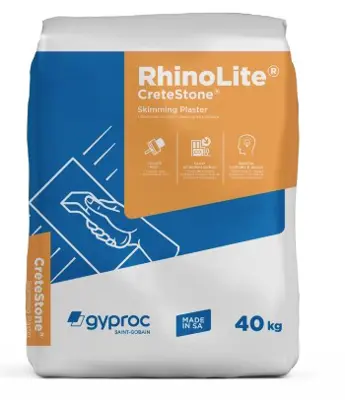
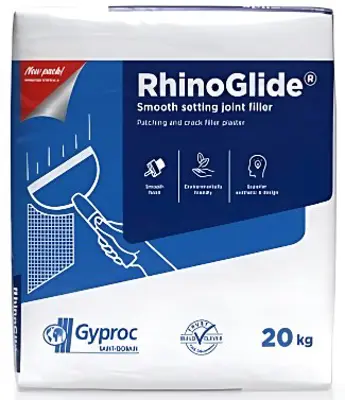
- Flush-plastered ceiling. The joints are taped and the whole ceiling is skimmed with a thin coat of gypsum skim plaster for a smooth, seamless finish. It takes more skill, and it is less forgiving of roof movement.
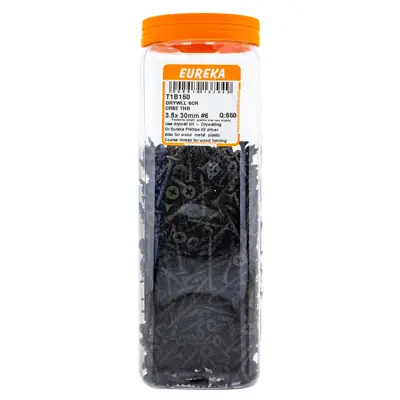
Drive the screws just below the surface without tearing the paper, and prime new gypsum board and skim plaster before painting. Leave a trapdoor for access to the roof space.
Cornices
A cornice covers the joint between the wall and the ceiling, which would otherwise crack as the roof moves with heat and wind. The main types are:
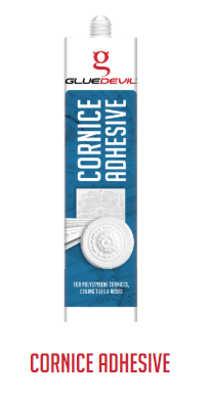
- Gypsum cove cornice: the traditional curved profile, fixed with cornice adhesive and painted.
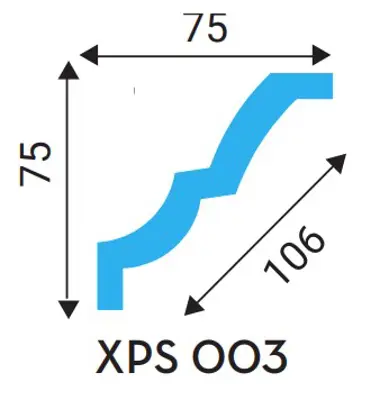
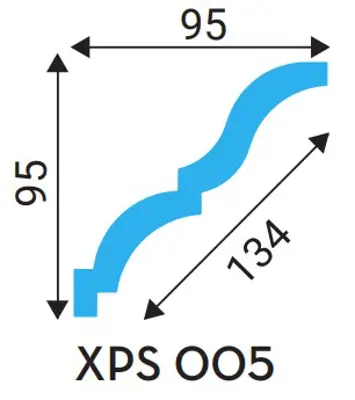
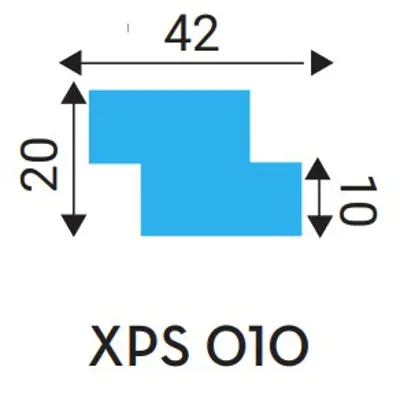
- XPS or polystyrene cornice: very light, cut with a sharp knife or fine saw in a mitre box and glued up with a suitable adhesive. HPM stocks XPS cornices in a range of profile sizes, from about 40 mm to over 130 mm.
- Shadow-line (no cornice): a recessed gap formed with a metal or plastic trim, for a modern look.
Solvent-based adhesives and paints can melt polystyrene, so use an adhesive and a water-based paint that the cornice maker says are suitable. Fill the mitres and the top and bottom edges with a flexible paintable filler before painting.
Which ceiling for which room
- Bedrooms, lounge, passage: gypsum board, with covered joints or skimmed flush.
- Bathroom, kitchen, laundry: PVC panels, moisture-resistant gypsum board or fibre-cement, with ventilation.
- Garage: PVC panels or gypsum board.
- Eaves, carport, covered stoep: fibre-cement board.
- Exposed rafters or a flat roof with no roof space: polystyrene (XPS) board of a thickness that gives the insulation you need.
Full-length boards and cornices are bulky. Not everything is listed in the online store, so send HPM your ceiling area and ask what is available and for a quote. Bulky items are delivered by our own trucks in the Western Cape or collected in Struisbaai, while screws, joint filler, adhesive and paint can be couriered anywhere in South Africa.
Products for this job
In stock at HPM now, with today's prices (incl. VAT). Tap a product for details, delivery and to add it to your cart.
Cornices and ceiling trims
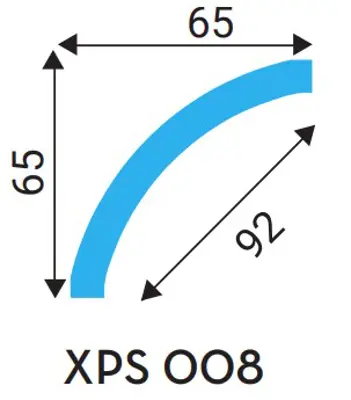
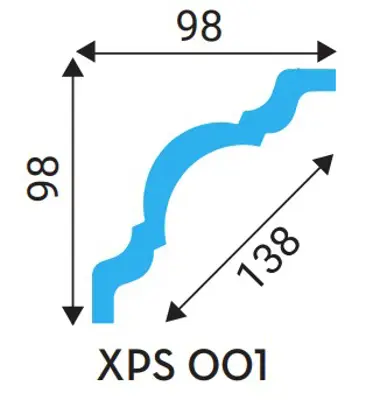
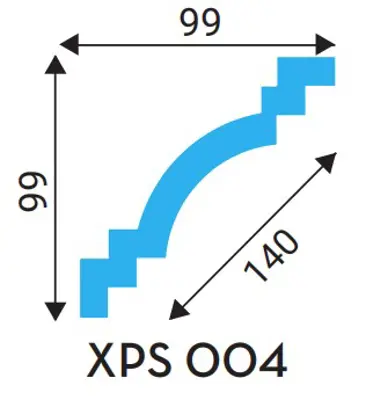
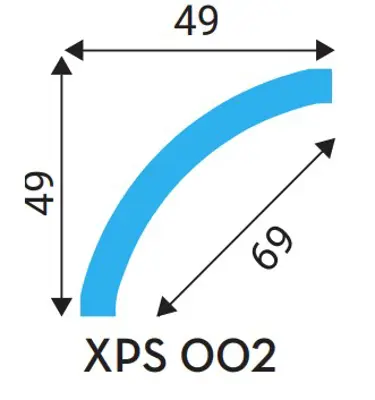
Skim plaster, joint filler and cornice adhesive
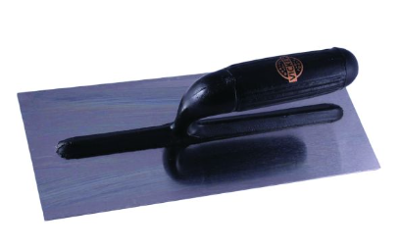
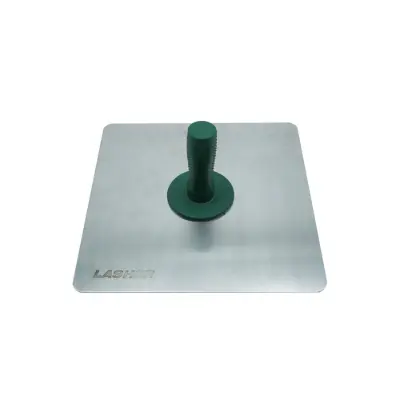
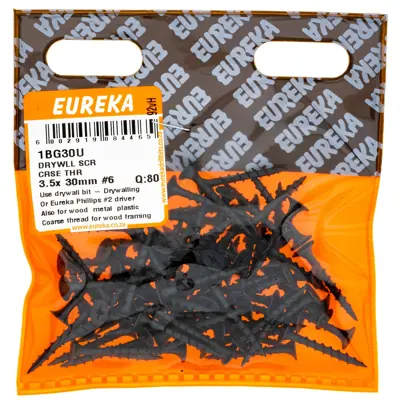
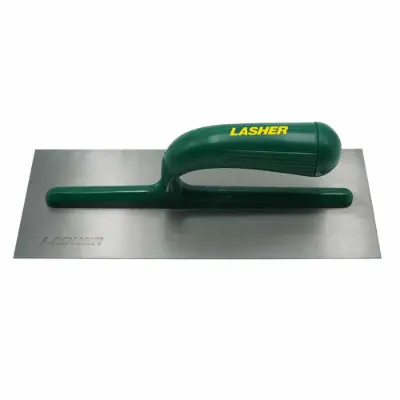
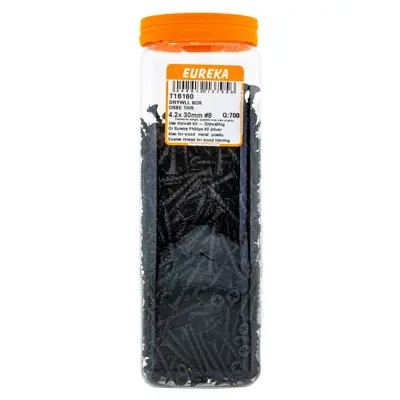
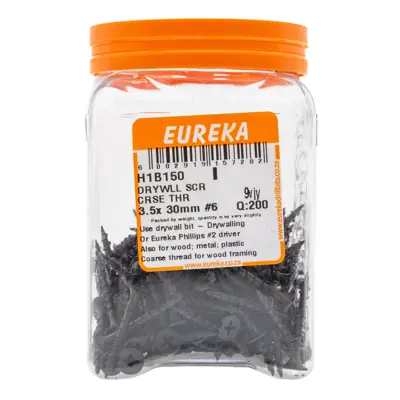
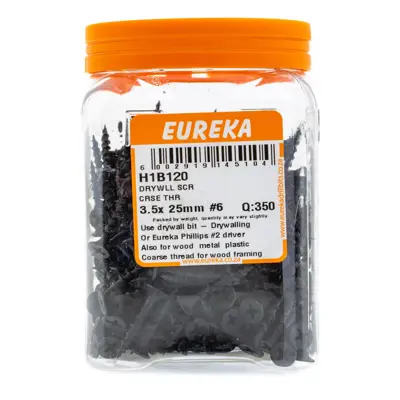
Drywall screws and plastering tools
What you need
These links open the matching products in the HPM online store, with live prices (incl. VAT) and stock.
- Cornices - XPS cornices in several profiles
- Roof and ceiling products - cornices, gutters and truss bracing strap
- Drywall screws - for fixing gypsum board
- Joint filler and skim plaster - for taped and skimmed joints
- Skimming plaster
- Plastering trowels
- Ceiling paint and ceiling products - wall and ceiling paints, ceiling fans and fittings
Questions and answers
What is the best ceiling board for a bathroom?
Bathrooms and kitchens are humid, so use a board made for it: PVC ceiling panels, moisture-resistant gypsum board or fibre-cement board, with good ventilation. Standard gypsum board sags and stains where steam condenses on it.
Is a PVC ceiling better than Rhino board?
They do different jobs. PVC panels need no paint and are unaffected by moisture, which suits bathrooms, kitchens and garages, but the panel lines show and PVC does not insulate. Gypsum board gives a flat ceiling that can be skimmed seamless and painted any colour, and it is the usual choice for bedrooms and living rooms.
How far apart must the brandering be for a ceiling?
It depends on the board. For a 6.4 mm gypsum ceiling the maker's installation guide sets the brandering at 400 mm centres, with screws every 150 mm. Follow the fixing guide for the board you buy, because a board that spans too far sags over time.
Can I paint a polystyrene cornice or ceiling?
Yes, with water-based paint. Solvent-based paints and adhesives melt polystyrene, so check that the paint and the glue are suitable before you use them.
Does HPM deliver ceiling boards and cornices?
Full-length boards and cornices are bulky items that travel on HPM's own trucks in the Western Cape or can be collected in Struisbaai. Smaller items such as screws, joint filler and paint go by courier anywhere in South Africa.
Related guides
Delivery from HPM
Parcels up to 50 kg are delivered by courier anywhere in South Africa, with the rate shown at checkout. Heavy building materials such as cement, bricks, sand, stone and timber are delivered by our own trucks in the Western Cape, and any order can be collected free in Struisbaai.
WhatsApp 076 370 4367 for a quote, call 028 435 6331 or email [email protected].
Sources
The facts in this guide were checked against:
- How to install a new ceiling (Gyproc RhinoBoard 6.4 mm M-Strip ceiling installation guide) - Gyproc, published by Home-Dzine
- SANS 10400-XA:2021 Edition 2 Thermal Insulation Guide - TIPSASA (Thermal Insulation Products and Systems Association SA)
General guidance only. Products, sites and building rules differ - always follow the product data sheet and your approved plans, and check with your municipality or a registered professional where the work is structural, electrical or needs approval. More short answers: Building Facts & Advice.