In short
- Buy by exposure class: interior doors must never be used outside, however well they are sealed.
- The standard South African door is 813 mm wide and 2032 mm high.
- Seal all six sides of a timber door, top and bottom included, after trimming and before hanging.
- Within 5 km of the sea, makers require extra maintenance and give shorter cover on hardware.
- Choose hinges for the door's weight, and locks marked for external doors and coastal use.
Two things decide how a door lasts: whether it is the right class of door for where it hangs, and whether it was sealed before it was hung. This guide explains the door classes, the standard sizes, why every side of a timber door must be sealed, what the warranty expects of you near the sea, and how to choose hinges and locks.
Where the door hangs decides which door to buy
Door makers class their doors by how much weather they can take. The class is on the label or in the catalogue, and it matters more than how the door looks.
| Class | Made for | Note |
|---|---|---|
| Exterior | Frequent exposure to open-air conditions. | An overhang above the door is recommended, and required on some designs. |
| Semi-exterior | Occasional, partial exposure. Not for direct sun or rain. | An overhang is a requirement. |
| Interior | Dry, sheltered indoor conditions only. | Must not be used outside, however well it is sealed. |
Doors are also rated by use: light duty for domestic interior use, medium duty, and heavy duty for frequent use and security.
- Hollow-core and deep-moulded doors are light interior doors.
- Semi-solid doors are heavier interior doors.
- Solid timber doors from South African makers are engineered: the frame of the door is built up from laminated pieces of hardwood with a veneer face, for stability and resistance to warping.
- Stable doors open in two halves and are popular as kitchen back doors.
- Fibreglass doors look like wood but do not swell, shrink, crack or warp.
Sizes and frames
The standard South African door is 813 mm wide and 2032 mm high. Narrower 762 mm interior doors are also made, and double doors, taller entrance doors and pivot doors come in their own sizes. Measure the opening, or the old door, before you buy.
Exterior frames are made for thicker doors, about 44 mm. Frames and doors from different makers do not always match, because the rebate in the frame differs, so buy them together where you can.
Seal all six sides before you hang it
Door makers require it on every class of door. A door has six sides: two faces, two long edges, the top and the bottom. The makers single out the top and bottom, which are the easiest to forget.
- Store the door flat, off the ground, in a dry, shaded, ventilated place until you are ready.
- Trim it to fit, leaving a gap of about 5 mm around the door. Trim only a little: makers allow just a few millimetres off the sides and somewhat more off the bottom. The limits differ between makers, so check the leaflet for the door you bought.
- Seal all six sides after the final trim and before hanging, including the rebates and any glazing beads. Pay particular attention to the top and bottom.
- Use the type of sealer the door maker specifies. Swartland specifies a water-based sealant for its doors, on every class, interior doors included.
- Reseal any edge you trim later.
For the choice of finish and how many coats, see sealing outdoor wood at the coast.
Timber doors at the coast
Makers' warranties expect more of you near the sea. Swartland's warranty says that timber products installed within 5 km of the sea need additional, specific maintenance, excludes damage from salt spray and from not keeping up the finish, and cuts the cover on door hardware from five years to one. It also asks that doors facing north and north-west be properly protected from the weather.
- Choose an exterior-class door, and give it an overhang.
- Keep the finish up. Recoat as soon as the surface starts to weather, not after it has failed.
- Wash stainless steel hardware as often as you wash the windows.
Hinges, locks and handles
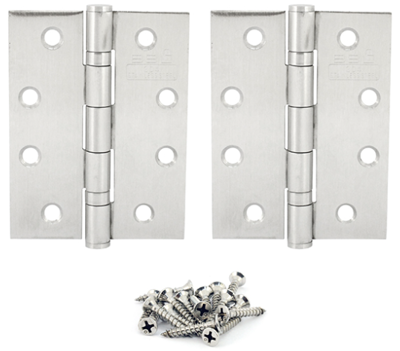
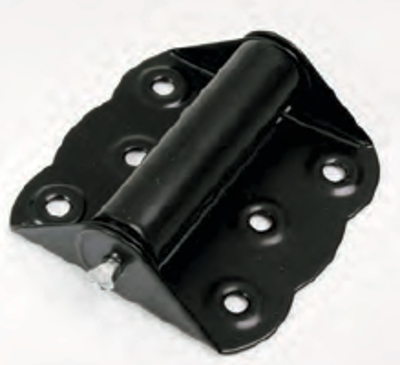
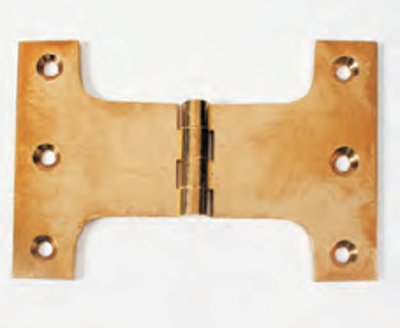
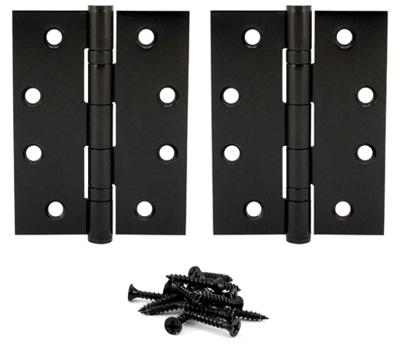
- Hinges: choose them for the weight of the door.
- At the coast: the stainless steel association recommends grade 316 for fittings and fasteners near the sea. Grade 304 is for inland.
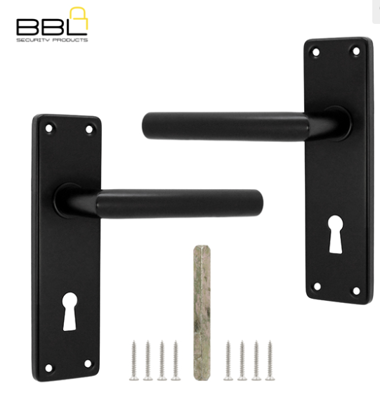
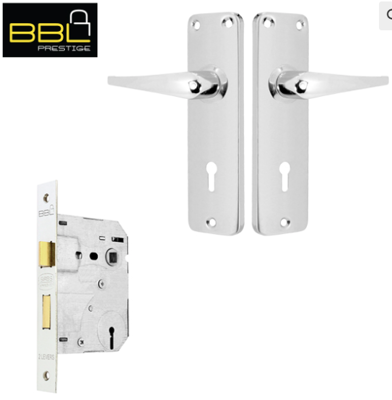
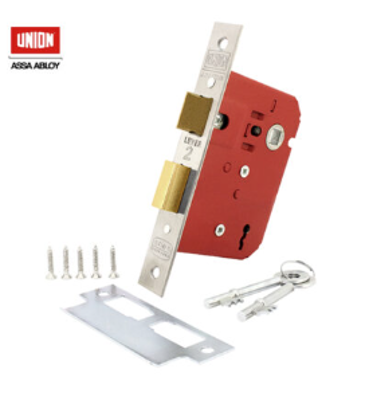
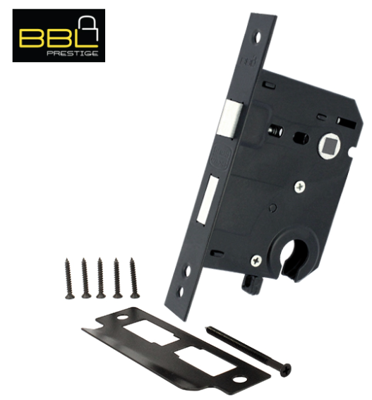
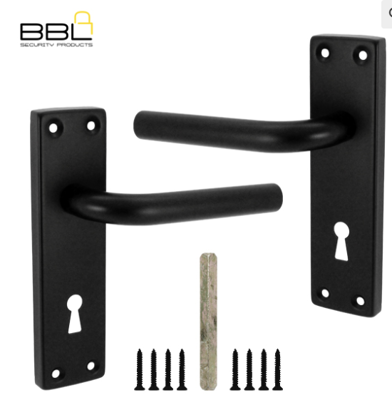
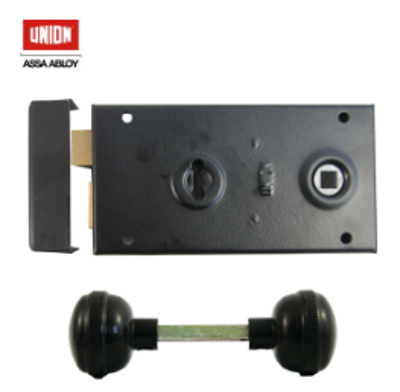
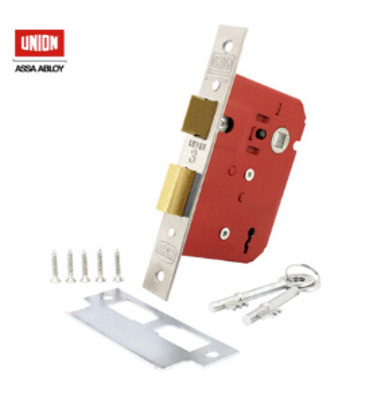
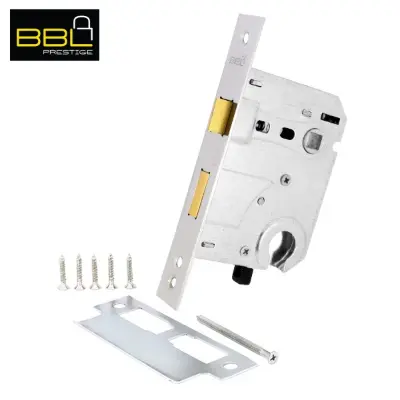
- Locks: locksets come as 2-lever, 3-lever, 4-lever and cylinder types. The maker states on each whether it is for internal or external doors, and whether it suits coastal regions. Read that line before the price.
- Do not fit the lock where the middle rail joins the side of the door. Door makers say to keep the mortice lock clear of that joint.
Fire doors
A fire door is a tested assembly, not just a thick door: the door, a matching fire door frame, the specified hinges and the lock, installed as the maker says. If your plans call for a fire door, for example between a garage and the house, buy the whole certified set.
Products for this job
In stock at HPM now, with today's prices (incl. VAT). Tap a product for details, delivery and to add it to your cart.
Door handles and locks
Hinges
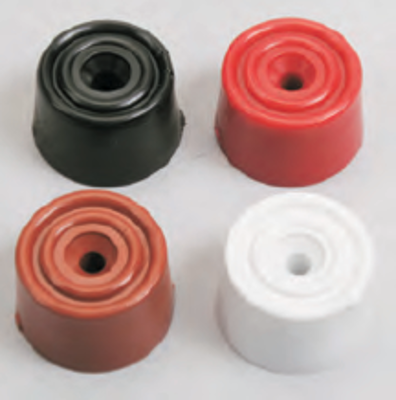
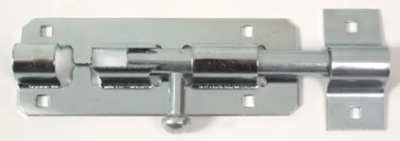
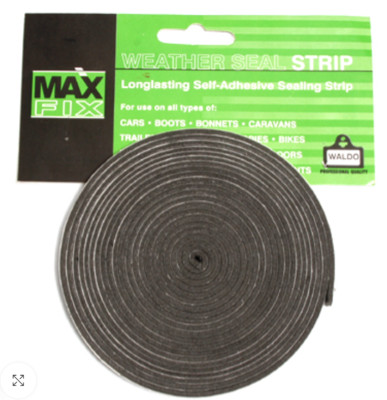
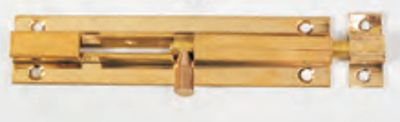
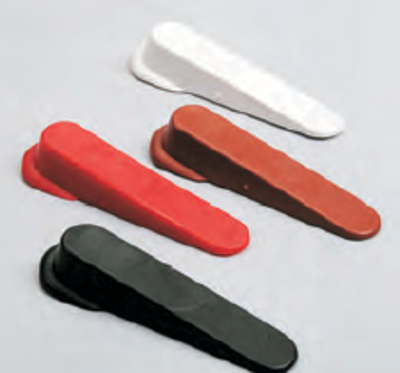
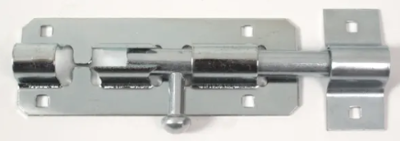
Latches, bolts and door fittings
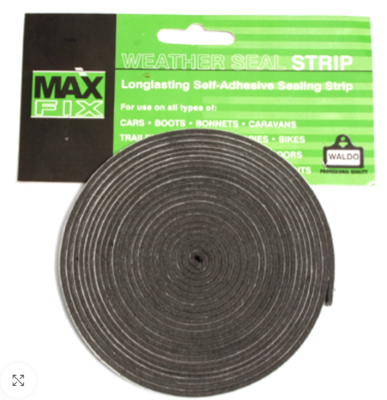
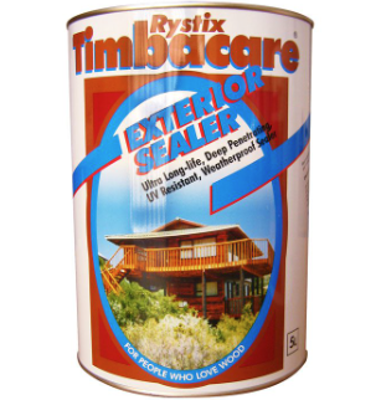
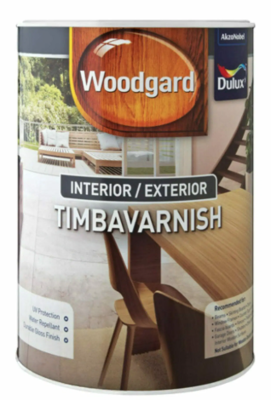
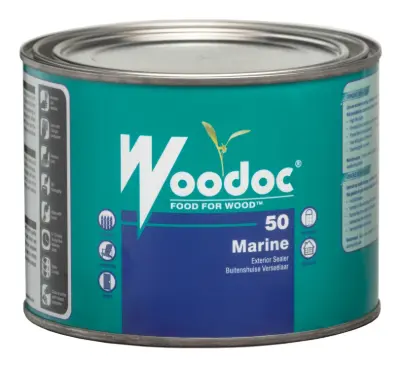
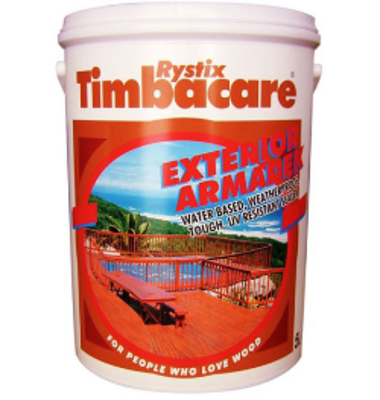
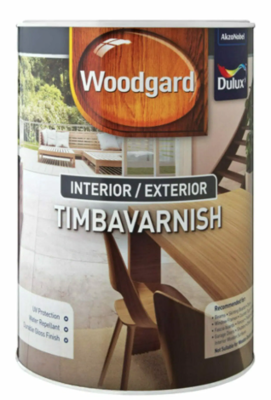
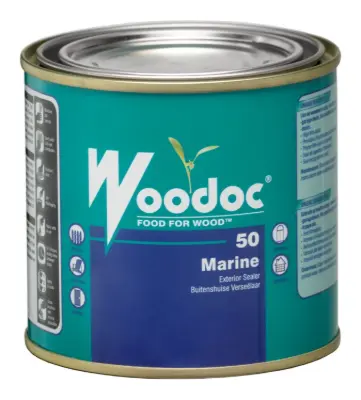
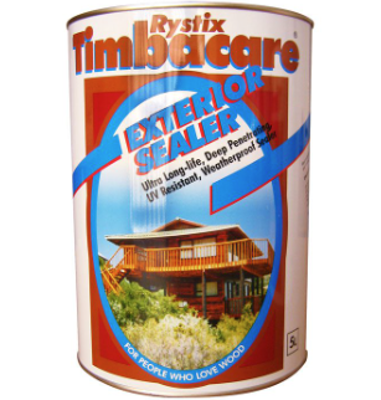
Sealers for timber doors
What you need
These links open the matching products in the HPM online store, with live prices (incl. VAT) and stock.
- Doors and windows - doors, frames and fittings
- Door handles and locks
- Hinges - butt hinges in steel, brass and stainless steel
- Hardware - latches, bolts, stops and seals
- Wood sealers - seal all six sides before hanging
- Ask about doors and frames - sizes, classes and delivery
Questions and answers
What is the standard door size in South Africa?
813 mm wide and 2032 mm high. Narrower 762 mm interior doors are also made, and double doors, taller entrance doors and pivot doors have their own sizes. Measure the opening or the old door before you buy.
Can I use an interior door outside?
No. Interior doors are made for dry, sheltered indoor conditions only. Door makers class doors as interior, semi-exterior or exterior, and an interior door must not be used outside even if it is sealed.
Why must a door be sealed on all six sides?
Door makers require all six sides - both faces, both long edges, the top and the bottom - to be sealed after the final trim and before the door is hung, with particular attention to the top and bottom. Warranties exclude damage from a door that was not properly finished.
How much can I trim off a door?
Only a little. Makers allow just a few millimetres off each side and somewhat more off the bottom, and the limits differ between makers. Check the leaflet that comes with the door, and reseal every edge you trim.
What door hardware lasts at the coast?
The stainless steel association recommends grade 316 for fittings and fasteners near the sea and grade 304 for inland. For locks, look for a lockset the maker states is suitable for external doors and coastal regions.
Related guides
Delivery from HPM
Parcels up to 50 kg are delivered by courier anywhere in South Africa, with the rate shown at checkout. Heavy building materials such as cement, bricks, sand, stone and timber are delivered by our own trucks in the Western Cape, and any order can be collected free in Struisbaai.
WhatsApp 076 370 4367 for a quote, call 028 435 6331 or email [email protected].
Sources
The facts in this guide were checked against:
- Wooden Doors and Door Frames catalogue (2024) - Swartland
- Swartland Investments Warranty (November 2024) - Swartland
- Product Care - Doors Direct
- The Sassda Guide for Architects, Consulting Engineers and Quantity Surveyors - Southern Africa Stainless Steel Development Association (Sassda)
- Union locksets - ASSA ABLOY South Africa
General guidance only. Products, sites and building rules differ - always follow the product data sheet and your approved plans, and check with your municipality or a registered professional where the work is structural, electrical or needs approval. More short answers: Building Facts & Advice.