In short
- A sealer or dressing soaks into the wood and is topped up; a varnish forms a film that must be stripped once it cracks.
- Decks need a deck product. Ordinary exterior sealers and varnishes are not made for decking.
- A tinted finish protects wood from the sun better than a clear one.
- Only coat dry, bare wood: a sealer will not hold over old varnish, paint or oil.
- Three coats on new wood, about a litre per 3 square metres, and seal the end grain well.
Sun, salt and wind take a wooden door, deck or window frame apart faster at the coast than anywhere else. The finish you choose decides whether next year's maintenance is a quick wipe and one coat, or stripping everything back to bare wood. This guide explains the difference between sealers, varnishes and dressings, which one goes where, how to prepare the wood, and what creosote is for.
Sealer, varnish or dressing?
| Finish | How it works | Maintenance |
|---|---|---|
| Penetrating sealer | Soaks into the wood and bonds with the fibres. Moves with the wood. | Recoat when the wood starts to weather. A light scrub and a fresh coat. |
| Dressing (oil and wax) | Soaks in and leaves no film on the surface, so it cannot flake or peel. | The most frequent: every 6 to 12 months, or when the wood looks dry. |
| Varnish | Builds a hard, glossy film on top of the wood. | Lasts well while the film is whole. Once it cracks or flakes it must be stripped to bare wood. |
Varnish is not wrong outdoors: marine varnishes are made for doors, window frames, fascias and garden furniture. Its weakness is water getting in behind the film through a joint or an unsealed end. That is why the makers insist that every side of the wood, including joints and end grain, is coated.
Tinted beats clear in the sun. Wood turns grey because ultraviolet light breaks down its surface, and a tinted finish always protects better against it than a clear one.
Which finish for which job
- Doors, door frames, window frames, garage doors, gates: an exterior sealer or a marine varnish. For meranti, which is soft and porous, a tinted low-gloss sealer works well.
- Garden and patio furniture: exterior sealer, water-based or solvent-based.
- Decks: a product made for decks, and nothing else. The ordinary exterior sealers and varnishes from Woodoc and Dulux all say they are not for decking. Hard, dense deck timber such as balau takes a deck dressing; soft, porous decking takes a deck sealer.
- Fences, wendy houses and rough-sawn wood: a deck dressing.
- Treated pine: the treatment protects against rot and insects, not weather. Left bare, green treated pine fades to silver-grey and tends to split. A penetrating water-repellent sealer, kept up, prevents that.
Water-based or solvent-based? Water-based exterior sealers dry quickly, have little smell, wash out of brushes with water and change the colour of the wood least. Solvent-based products are thinned and cleaned with mineral turpentine and deepen the colour more. Both types are made with protection against wind, water and salt spray.
Preparing the wood
- Dry wood only. A sealer put onto damp wood stays sticky, and one that gets wet too soon turns white. Do not seal in wet weather.
- New wood: sand it smooth in the direction of the grain, including the end grain, and wipe off the dust with a dry cloth. Woodoc says never to wash or wipe the wood with water first; it uses mineral turpentine instead.
- New treated pine is wet from the treatment when it arrives. Let it dry out properly before you coat it.
- Grey, weathered wood: sand it back until all the grey is gone and you reach fresh wood.
- Old varnish: sand or strip it to bare wood. A sealer will not hold over old varnish, paint or oil, and that is the usual reason a new coat peels.
- Previously oiled or waxed wood: do not varnish over it. Strip it completely first.
- Wood already treated with the same sealer only needs a scrub with steel wool and mineral turpentine before the next coat.
How many coats, and how much to buy
Three coats is the rule for new or bare wood with both Woodoc and Dulux, and two for maintenance on a sound finish. One litre covers about 10 square metres per coat, so allow about a litre for every 3 square metres of new work. Seal the end grain especially well: that is where water gets in.
Follow the tin for thinning and drying times, because they differ. Woodoc sealers are not thinned at all; Dulux thins its first coats with mineral turpentine. Solvent-based varnish typically needs overnight between coats, and a deck dressing can take up to 48 hours to dry.
Maintenance at the coast
No maker gives a separate figure for the coast, so work from the short end of what the tin says and look at the wood often. The sides that face the sea and the afternoon sun go first.
- Dressings: every 6 months, or as soon as the wood looks dry.
- Sealers: recoat when weathering starts, before the finish breaks down. Caught in time it is a scrub and one or two coats.
- Varnish: recoat while the film is still whole. Once it has cracked, it has to come off.
Decks treated with a dressing or sealer can be slippery when wet.
Creosote
Creosote is a black, oily preservative made from coal tar. Creosote-treated timber resists rot, termites and borer, sheds water and splits less, which is why it is used for fence posts, farm poles and heavy outdoor structures. Its drawbacks are the strong smell, the oily surface that stains clothes and hands, and the fact that it cannot be painted until it has weathered. Use it outdoors only, in well-ventilated places where people do not sit against it or handle it much: fences and poles, not furniture, play equipment or anything indoors. Wear gloves when you work with it.
Solvent-based sealers and varnishes are flammable. Work with good ventilation, wear a dust mask and eye protection when sanding, and never burn offcuts of treated timber. The treatment classes themselves are explained in H2, H3, H4 treated pine.
Products for this job
In stock at HPM now, with today's prices (incl. VAT). Tap a product for details, delivery and to add it to your cart.
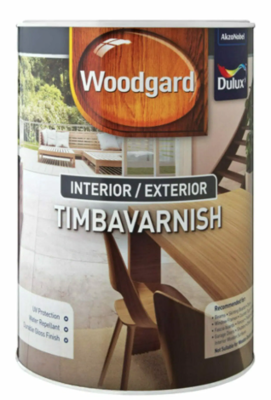
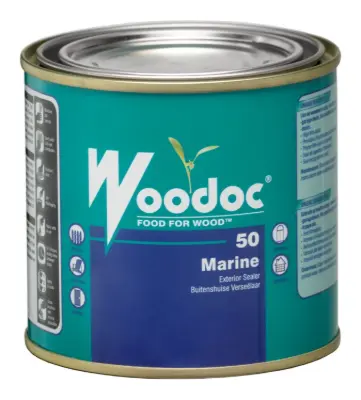
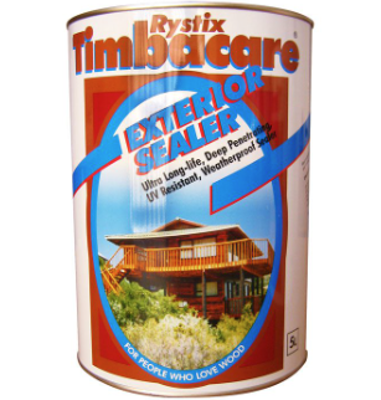
Exterior sealers and varnish
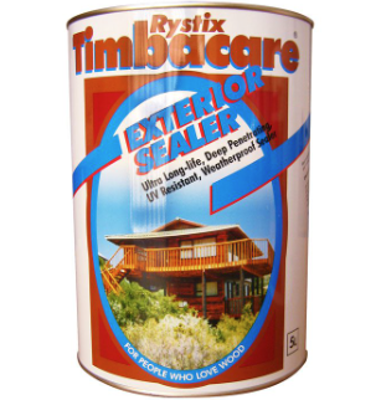
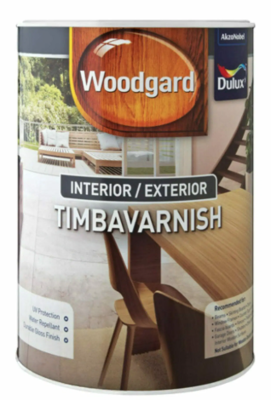
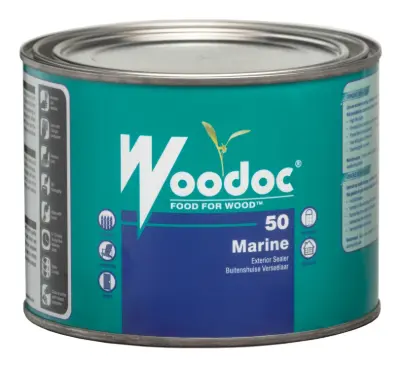
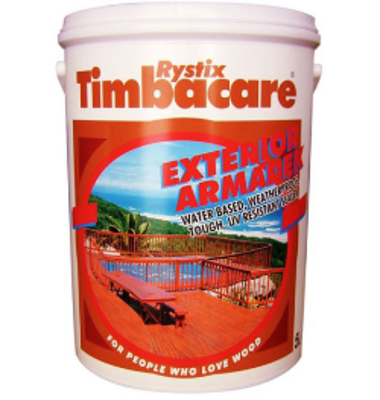
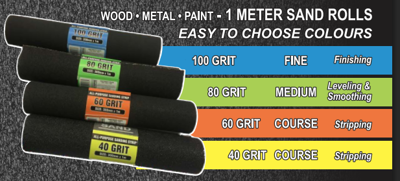
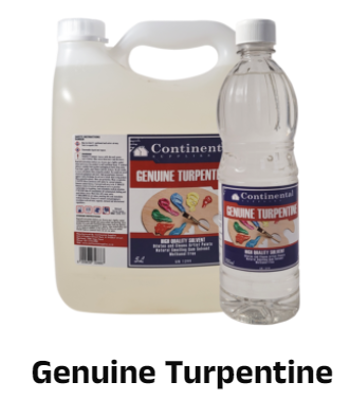
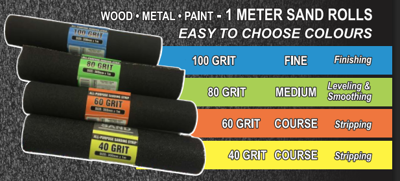
Preparation: sandpaper, steel wool and turpentine
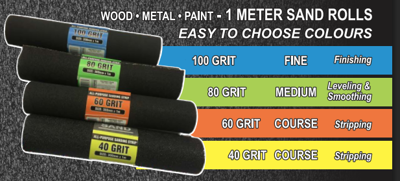
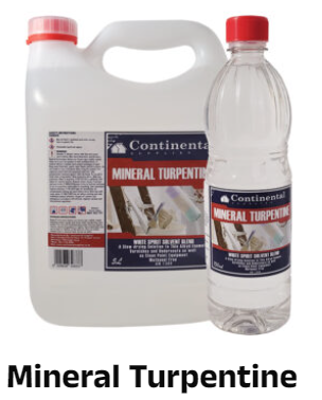
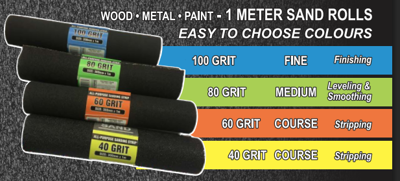
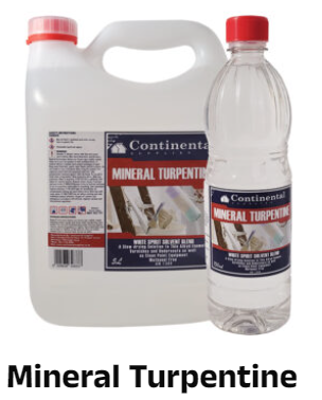
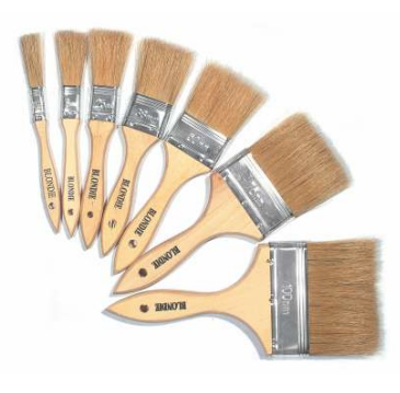
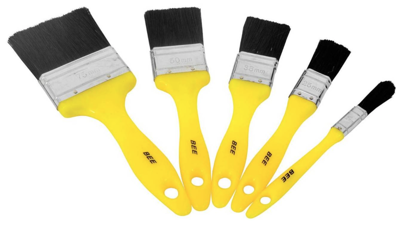
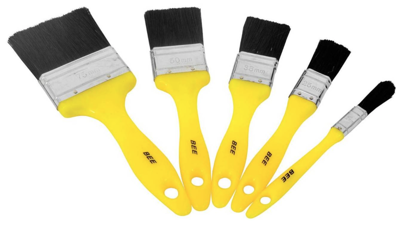
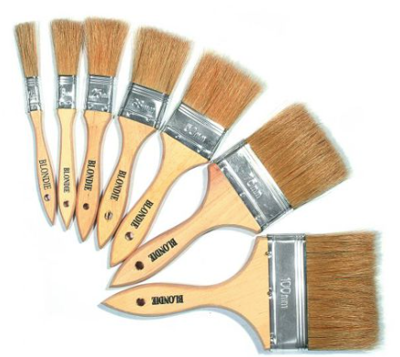
Brushes
What you need
These links open the matching products in the HPM online store, with live prices (incl. VAT) and stock.
- Exterior wood sealers - Woodoc, Rystix Timbacare and others
- Varnish - marine and exterior varnish
- Paint and wood finishes - sealers, varnish, stains and brushes
- Mineral turpentine - for thinning and cleaning solvent-based finishes
- Sandpaper and steel wool
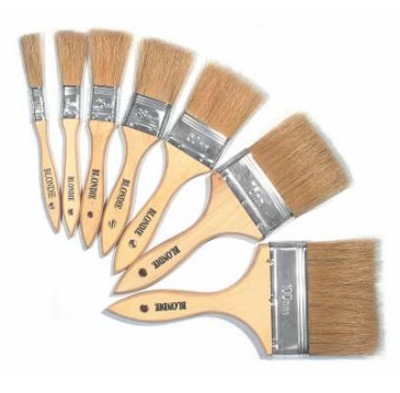
- Paint brushes
Questions and answers
Is sealer or varnish better for outdoor wood?
They work differently. A sealer soaks into the wood and is maintained with a light scrub and a fresh coat when it starts to weather. A varnish forms a hard glossy film that lasts well while it is whole, but once it cracks or flakes it must be stripped to bare wood before recoating. For decks use a product made for decks.
What should I use on a wooden deck?
A deck dressing or deck sealer. Woodoc's and Dulux's ordinary exterior sealers and varnishes all state that they are not suitable for decking. Hard, dense deck timber such as balau takes a deck dressing; soft, porous decking takes a deck sealer.
How often must I reseal wood at the coast?
No maker gives a coastal figure, so use the short end of the interval on the tin and inspect often. A deck dressing is typically reapplied every six months or when the wood looks dry. Sealers are recoated when weathering starts. The sea-facing and sun-facing sides need it first.
Why is my varnish peeling?
Usually because water has got in behind the film through an unsealed joint or end grain, or because it was applied over oil, wax or damp wood. Once varnish has cracked and flaked it has to be sanded or stripped to bare wood before a new finish will hold.
Can I seal new treated pine straight away?
Not while it is wet. Treated pine arrives damp from the treatment, and wood finishes need dry wood. Let it dry out properly first, then sand it and apply three coats of a penetrating exterior sealer.
Related guides
Delivery from HPM
Parcels up to 50 kg are delivered by courier anywhere in South Africa, with the rate shown at checkout. Heavy building materials such as cement, bricks, sand, stone and timber are delivered by our own trucks in the Western Cape, and any order can be collected free in Struisbaai.
WhatsApp 076 370 4367 for a quote, call 028 435 6331 or email [email protected].
Sources
The facts in this guide were checked against:
- Woodoc DECK Dressing - Application Instructions - Woodoc
- FAQs & Experts - Woodoc
- Dulux Woodgard Exterior Marine Timbavarnish - Technical Data Sheet (2015) - Dulux (AkzoNobel)
- Dulux Woodgard Exterior Timbapreservative - Technical Data Sheet (2018) - Dulux (AkzoNobel)
- Comparison between Creosote and CCA preservative treated timber - South African Wood Preservers Association (SAWPA)
General guidance only. Products, sites and building rules differ - always follow the product data sheet and your approved plans, and check with your municipality or a registered professional where the work is structural, electrical or needs approval. More short answers: Building Facts & Advice.