In short
- Water is behind most paint failures. Find and stop it before you repaint.
- Blisters or cracks only in the top coat: scrape, sand and repaint. Right through to the plaster: stop the moisture and strip.
- Chalky walls need a bonding liquid, not an ordinary plaster primer.
- White salts: fix the leak, brush them off, and wait three weeks before priming.
- Kill mould with a bleach wash before painting, or it grows through the new coat.
Paint on a coastal house tells you what the wall behind it is doing. Blisters, peeling, white salts and black mould all have different causes, but one thing lies behind most of them: water. Paint over the problem and it comes back. This guide shows how to tell the problems apart, what causes each one, and how the paint makers say to fix it.
Find the water first
Moisture is the first cause the paint makers list for blistering, peeling, efflorescence and mould. Every repair they describe starts the same way: find where the water comes from and stop it. Look at the roof, flashings and parapet tops, gutters and downpipes, cracks, worn sealant around windows, and the ground level against the wall. Only then repair the paint, and only on a wall that is clean, dry and sound.
Blistering and peeling
What you see: bubbles under the paint, or paint lifting off in sheets.
Causes: moisture pushing out through the wall or seeping in through unsealed joints and leaks; painting a warm wall in direct sun; paint put onto a damp surface; dew or rain on fresh paint; poor preparation.
The fix depends on how deep it goes. Check how deep the blisters go. If there is still sound paint underneath, the top coat failed: scrape and sand it off and repaint with a quality water-based exterior paint. If the blister goes down to bare plaster, the cause is moisture. Stop the water, then remove the loose paint, prime the bare areas and repaint. Blistering and peeling low on a wall, up to about a metre above the ground, points to rising damp: see damp-proofing basics.
Cracking and flaking
What you see: hairline cracks in the paint that widen until chips flake off.
Causes: cheap paint with poor grip and flexibility, paint thinned too much or spread too thin, poor preparation, or painting in cold or windy conditions that dry the paint too fast.
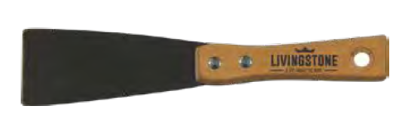
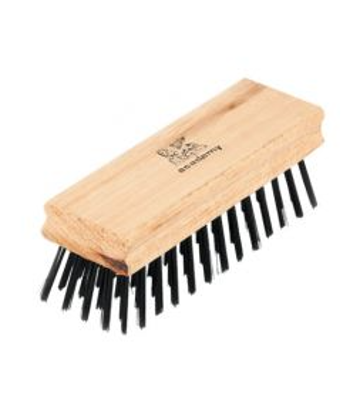
Fix: if the cracks are only in the top coat, remove the loose paint with a scraper or wire brush, sand the edges smooth, prime the bare spots and repaint. If they go down to the plaster, all of the paint has to come off before you prime and repaint.
Chalky, powdery paint
What you see: a fine powder that comes off on your hand, and faded colour. A little chalking is how paint wears normally. Heavy chalking means the paint film is eroding, often because a low-grade paint or an interior paint was used outside.
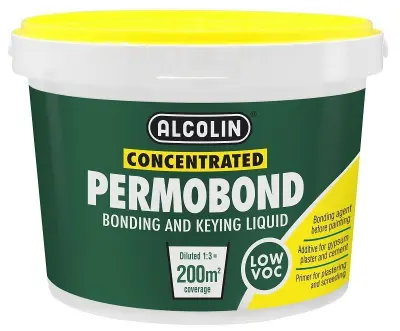
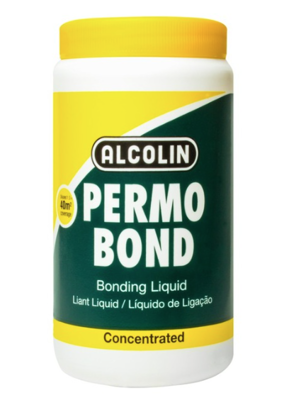
Fix: scrub off as much chalk as you can with a stiff brush and rinse well, or use a pressure washer. Let it dry and run your hand over it. If chalk still comes off, seal the wall with a bonding liquid before you paint. Bonding liquid is a clear sealer that soaks in and binds a powdery surface; it goes onto a completely dry wall and must be painted over within about two days. An ordinary white plaster primer is not the product here: it sits on top of thick powder instead of soaking through it.
White salts (efflorescence)
What you see: a white crust, loose powder or feathery crystals on plaster or brick, often pushing the paint off.
Cause: water moving through the wall dissolves salts in the masonry and leaves them on the surface as it dries. New plaster that was painted too soon, masonry that stood unpainted in sea spray, and waterproofing that was never done are the usual reasons.
Fix, in this order: find and repair where the water gets in. Brush the salts off dry. Wipe the area with white vinegar diluted in water, leave it for ten minutes and rinse. Then wait: Plascon says three weeks, to be sure the salts do not return, before priming and painting. The salts must be gone before you prime.
Patchy, faded colour on new plaster
New cement plaster is strongly alkaline. Paint it too soon, or without the right primer, and the lime attacks the paint: the colour goes blotchy and pale, worst in dark colours, and the paint turns soft and may blister.
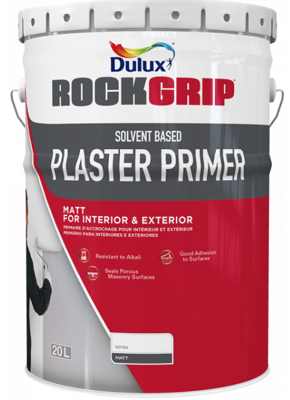
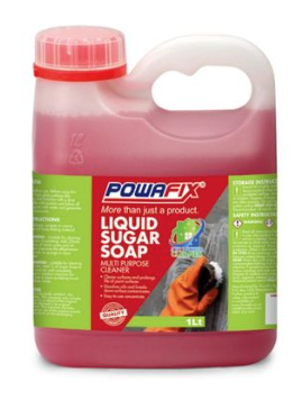
Prevent it: let new plaster dry for about one week per 5 mm of thickness, longer in cold or damp weather, then prime with an alkali-resistant plaster primer before the top coats. If it has happened: remove the affected paint, wash with sugar soap, let the wall dry, prime and repaint.
Black or green growth: mould and algae
Where: walls that stay damp and get little sun, typically south-facing walls and the underside of eaves.
Mould or dirt? Put a few drops of household bleach on the mark. If it disappears, it is mould.
Fix: it must be killed and removed before you paint, or it grows straight through the new coat. Scrub with a bleach-and-water wash, leave it on for the time the paint maker gives, then scrub and rinse the whole wall and let it dry. The makers' recipes differ, from one part bleach to two parts water up to one part to four, and from twenty minutes to four hours, so follow the instructions for the paint you are using. Wear goggles and rubber gloves and never mix bleach with other cleaners. Mould that keeps returning in one spot points to a leak.
Rust stains
Reddish-brown spots bleeding through paint come from steel underneath it, usually ordinary nails. Wash off the stain, sand the nail heads, punch them below the surface and seal them, spot-prime and repaint. For rusting burglar bars, gates and brackets: remove the loose paint, clean the rust back to bright metal, degrease, prime with a metal primer and paint. Do not use a rust converter on galvanised iron.
Strip it or paint over it?
- Paint over when the old paint is firmly attached and the damage is only in the top coat. Scrape what is loose, sand the edges, spot-prime bare patches.
- Strip to bare plaster when cracking, blistering or peeling goes right through to the wall, or the old paint is in poor condition generally.
- Always spot-prime repairs. Filled and patched areas left unprimed show through the new paint as dull patches.
Wet-sand where you can and wear a dust mask when scraping old paint. Choosing the new paint is covered in exterior paint for coastal homes.
Products for this job
In stock at HPM now, with today's prices (incl. VAT). Tap a product for details, delivery and to add it to your cart.
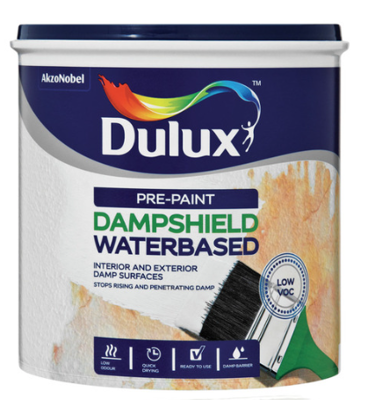
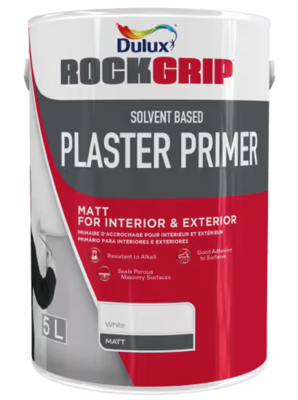
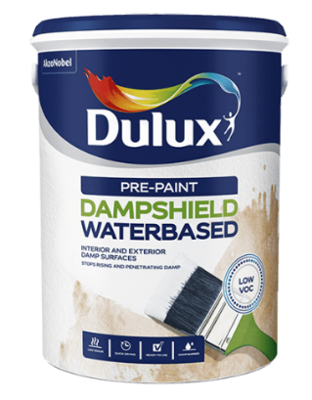
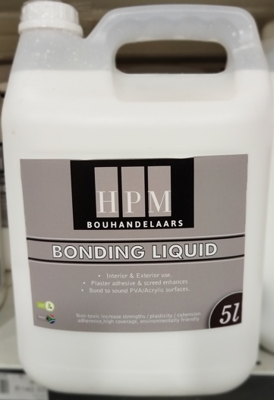
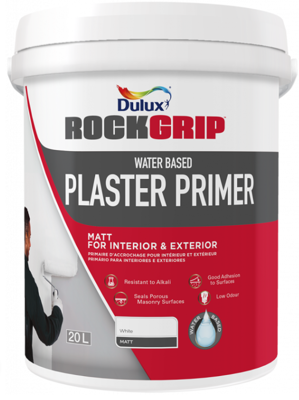
Bonding liquid and plaster primer
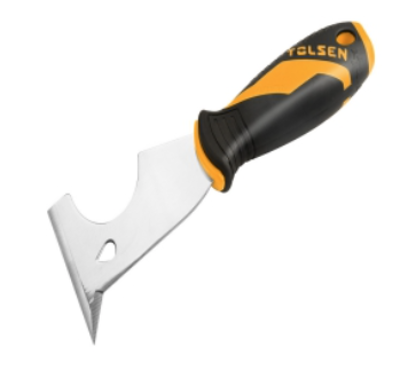
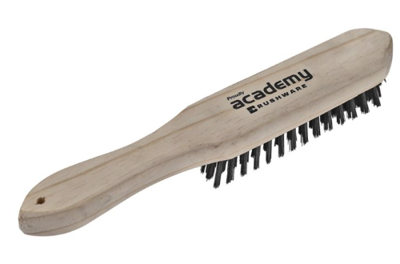
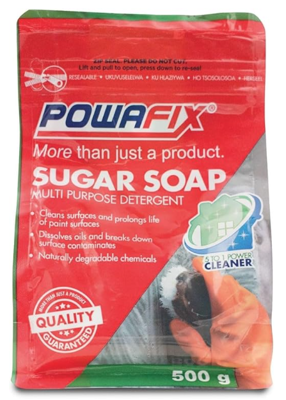
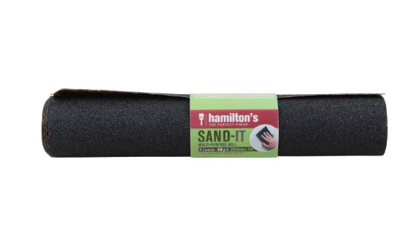
Scrapers, wire brushes and sugar soap
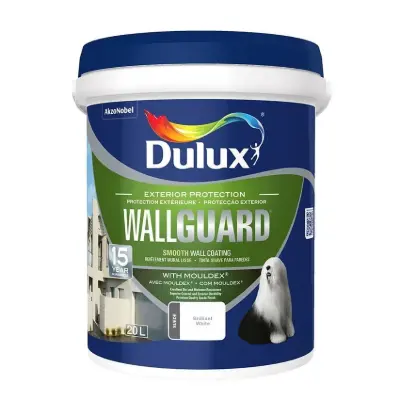
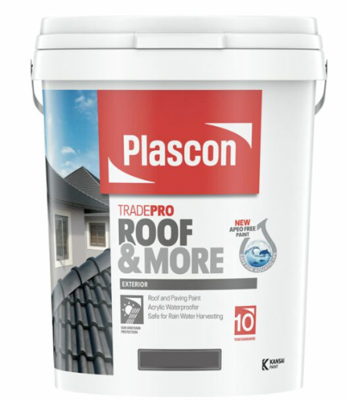
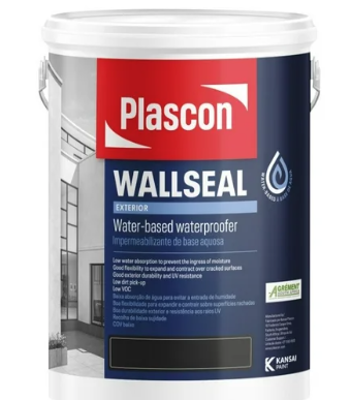
Exterior paint
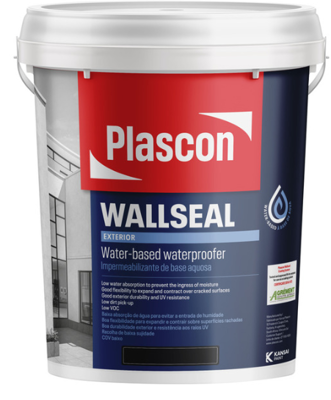
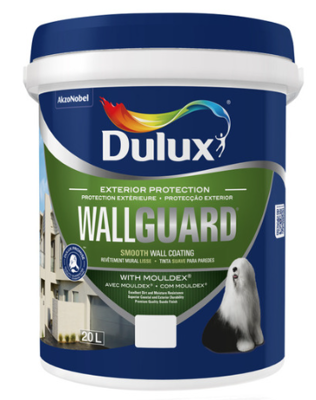
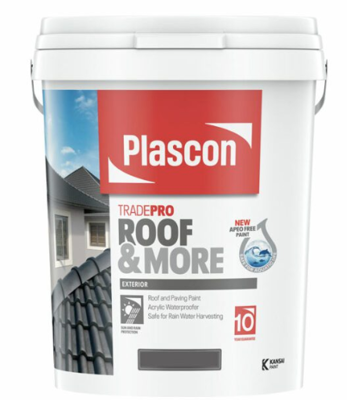
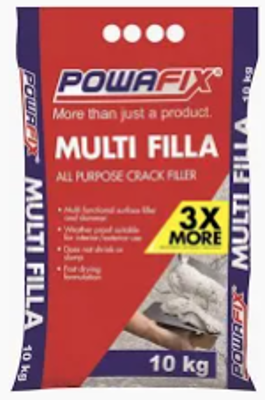
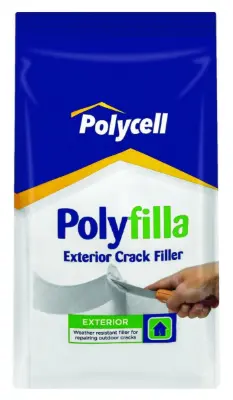
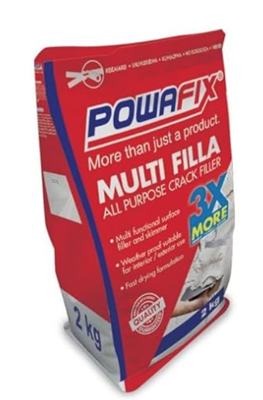
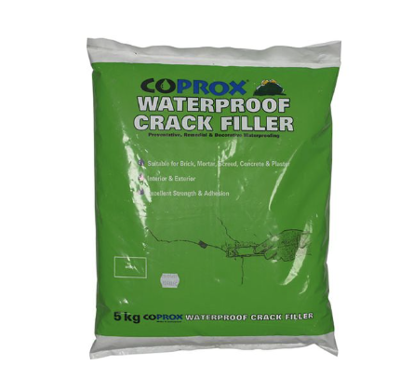
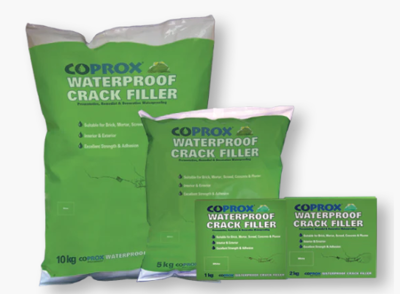
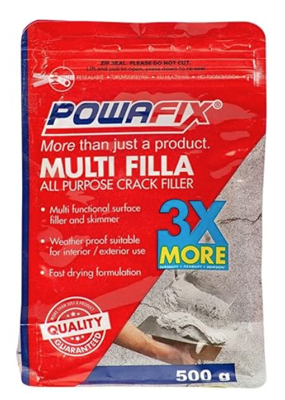
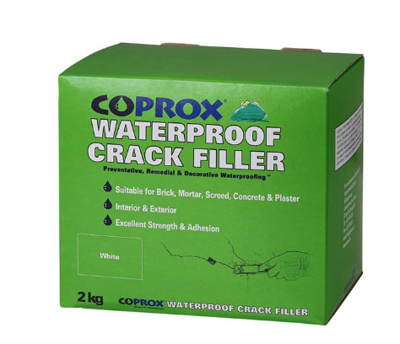
Crack fillers
What you need
These links open the matching products in the HPM online store, with live prices (incl. VAT) and stock.
- Bonding liquid - seals chalky, powdery walls
- Plaster primer - alkali-resistant primer for new and bare plaster
- Paint - exterior paint, primers and sealers
- Damp sealers and waterproofing
- Scrapers and wire brushes
- Sugar soap - for washing walls before painting
Questions and answers
Why is the paint peeling off my outside wall?
Almost always because of moisture: water seeping in through unsealed joints, worn sealant or a leak, or moisture escaping out through the wall. Poor preparation and paint applied to a damp surface also cause it. Find and stop the water, remove all loose paint, prime the bare areas and repaint.
What is the white powder coming through my paint?
Efflorescence: salts carried out of the plaster or brickwork by water and left on the surface as the wall dries. Fix where the water gets in, brush the salts off, wipe with diluted white vinegar and rinse, then wait about three weeks to be sure it does not return before priming and painting.
How do I paint over a chalky wall?
Scrub off as much chalk as possible with a stiff brush and rinse. If powder still comes off on your hand once it is dry, seal the wall with a bonding liquid, which soaks in and binds the surface, and paint over it within about two days. An ordinary pigmented plaster primer does not penetrate thick powder.
How do I get rid of mould on an outside wall before painting?
Scrub it with a bleach-and-water wash, leave it on for the time the paint maker states, then scrub, rinse the whole wall and let it dry. The makers' recipes range from one part bleach to two parts water up to one part to four. Wear goggles and gloves. Mould painted over grows through the new coat.
Do I have to strip all the old paint before repainting?
Only if the damage goes right through to the plaster or the old paint is in poor condition. If the old paint is firmly attached and only the top coat has failed, scrape off what is loose, sand the edges, spot-prime the bare patches and repaint.
Related guides
Delivery from HPM
Parcels up to 50 kg are delivered by courier anywhere in South Africa, with the rate shown at checkout. Heavy building materials such as cement, bricks, sand, stone and timber are delivered by our own trucks in the Western Cape, and any order can be collected free in Struisbaai.
WhatsApp 076 370 4367 for a quote, call 028 435 6331 or email [email protected].
Sources
The facts in this guide were checked against:
- Common Paint Problems - Plascon Professional (Kansai Plascon)
- Surface Preparation and Common Problems chart (2022) - Plascon
- Dulux Bonding Liquid - Technical Data Sheet (2025) - Dulux (AkzoNobel)
- Dulux Trade Alkali Resistant Primer - Technical Data Sheet (2020) - Dulux Trade
- Efflorescence (2023) - Prominent Paints
General guidance only. Products, sites and building rules differ - always follow the product data sheet and your approved plans, and check with your municipality or a registered professional where the work is structural, electrical or needs approval. More short answers: Building Facts & Advice.