In short
- FBS, FBX and FBA describe how uniform the bricks are in size, shape and colour - not how strong they are.
- FBS is the standard face brick, FBX the most even, FBA (semi-face) deliberately uneven for a rustic look.
- A single wall takes about 51 to 56 standard bricks per square metre; add 5 to 10% for waste.
- Near the sea, ask for a brick rated for your exposure zone - the class does not tell you that.
- White powder on a new wall is usually harmless salts; never use pool acid on light-coloured bricks.
A face brick wall is never plastered or painted, so the brick you choose is the finish you live with. The letters after a brick's name - FBS, FBX, FBA - tell you how even the bricks are, not how strong they are. This guide explains the codes, how many bricks a wall takes, what to check before you buy for a house near the sea, and how to keep face brick clean.
What FBS, FBX and FBA mean
Clay bricks in South Africa are made to SANS 227, which sorts them into classes. The three face brick classes describe how uniform the bricks are in size, shape and colour:
| Class | Stands for | What you get |
|---|---|---|
| FBS | Face Brick Standard | Durable bricks that are uniform in size and shape. The usual choice for face brick work. |
| FBX | Face Brick Extra | Durable bricks with a high degree of uniformity in size, shape and colour, for a very even, precise look. |
| FBA | Face Brick Aesthetic | Durable bricks chosen for their uneven size, shape or colour. Also called semi-face bricks; they give a rustic look. |
The difference shows in the allowed size variation. An FBX brick may differ from the stated size by no more than 5 mm in length and 3 mm in width and height; for FBS it is 7 mm and 4 mm; FBA has no limit. That is why FBX walls have the neatest joints and FBA walls look hand-made.
Two other codes are for bricks that will not be seen. NFP (Non-Facing Plastered) is the ordinary clay stock brick for walls that get plastered. NFX (Non-Facing Extra) is for work below the damp-proof course, below ground or in damp conditions, where durability matters and looks do not. PA and PB are clay paver classes, not wall bricks.
Brick size and how many you need
The standard South African brick, the imperial brick, is 222 mm long, 106 mm wide and 73 mm high and weighs between about 2.4 and 3.3 kg. Some makers also produce larger formats, and those need fewer bricks per square metre, so check the size on the product page before you work out a quantity.
- Single wall (one brick thick the narrow way, 106 mm): about 51 to 56 standard bricks per square metre of wall. Corobrik gives 51 before cutting and waste; the Clay Brick Association gives 52 to 56.
- Double wall (222 mm): twice that.
- Waste: add 5 to 10% for breakage and cutting.
- Mortar: about 3 bags of cement and 0.6 m³ of building sand lay 1,000 bricks, and mortar waste is high, so allow a quarter to a half more.
The brick calculator does the sum for your wall, and estimating a wall walks through an example. Face bricks are sold per 1,000 on the HPM website.
Choosing a face brick near the sea
The class does not tell you whether a brick will last at the coast. That is a separate rating. The Clay Brick Association divides the country into exposure zones: inland areas more than 30 km from the sea are protected, the 30 km strip along the coast is moderate, and the sea spray zone is severe. It warns that some face bricks are not suited to the severe zones and that the maker should state which zone each brick is made for.
Makers do print it. Corobrik, for example, gives an exposure zone suitability on each product sheet, and it differs from brick to brick: one FBS brick may be rated for the protected and moderate zones only, another for all four. So before you order for a house near the sea:
- Tell us how close to the sea the house is and how exposed the wall is. Parapets and copings take more weather than a wall under wide eaves.
- Ask for a brick rated for your exposure zone, and how it has performed in your area.
- Check the efflorescence rating on the product sheet (see below).
Building with face brick
- Blend the packs. Colour varies from batch to batch. Draw bricks from several packs at once as you build, or the wall shows bands. Build a small sample panel first if the look matters.
- Joints. A joint of 10 to 12 mm with a rounded (bucket-handle) finish sheds water well. Deeply recessed square joints let water in and are not recommended for windy, rainy sites unless the wall has a full cavity.
- Fill the joints solidly. Hollow joints are where water gets into the wall.
- Cavity walls - two leaves with a gap between - are the most reliable way to keep driving rain out. At the coast the wall ties across the cavity should be galvanised.
- Cover new work. Protect the top of the wall at the end of each day and when it rains. Brickwork that gets saturated in its first day is what causes the white lime bloom that is so hard to remove.
- Do not mix clay and cement bricks in the same leaf of a wall. Clay bricks expand very slightly over time and cement bricks shrink, so they pull apart.
Wall thickness, load-bearing walls and retaining walls are structural matters for your plans and engineer.
White powder on a face brick wall
The white deposit on new brickwork is efflorescence: salts carried to the surface by water and left behind as the wall dries. The salts can come from the bricks, the sand or the cement. On new work it is usually temporary and harmless. Let the wall dry out, then brush it off dry or wipe it with a damp sponge, and do not leave the brushed-off salts lying at the foot of the wall, where rain carries them back in. If it keeps coming back, water is getting into the wall, and the leak or the missing damp-proofing is what needs fixing.
Cleaning face brick
- Mortar smears: knock off lumps with a wooden or nylon scraper, wet the wall thoroughly from the top down, wash with a proper mortar cleaner diluted as its maker says, scrub with a stiff fibre brush and rinse well. Work in small areas and never let the cleaner dry on the wall.
- Test first on a small hidden patch and wait a week before you judge it.
- No wire brushes or metal scrapers, and do not clean a wall that is hot in the sun.
- Light-coloured bricks (cream, buff, yellow) must never be cleaned with hydrochloric (pool) acid. It fixes the stains and turns them brown.
- Moss and lichen mean the wall is staying damp. They come back until the damp is cured.
- Do not varnish face brick. Coatings show unevenly, break down in sun and moisture and are hard to remove.
Brick cleaners are acidic or caustic: wear gloves and goggles, protect window frames and plants, and leave large areas to a specialist.
Products for this job
In stock at HPM now, with today's prices (incl. VAT). Tap a product for details, delivery and to add it to your cart.
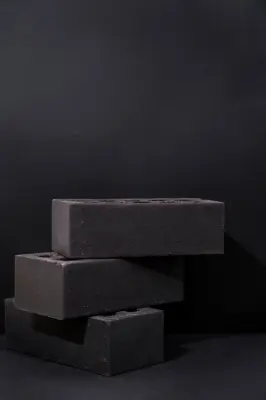
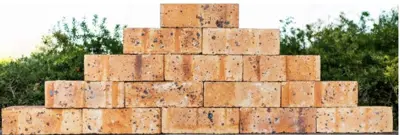
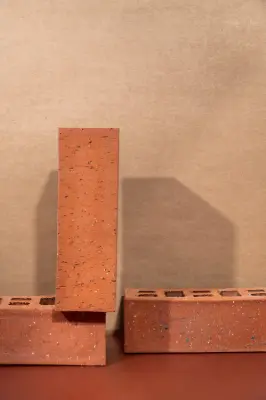
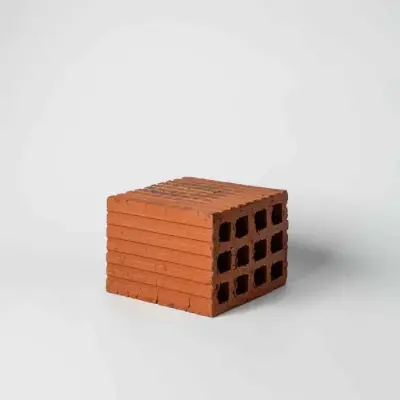
Face bricks

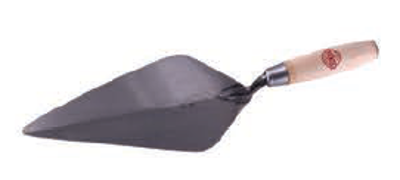
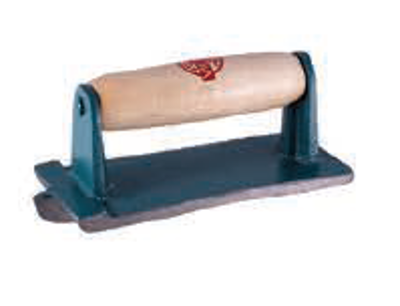
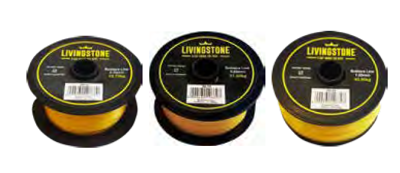
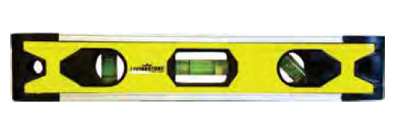
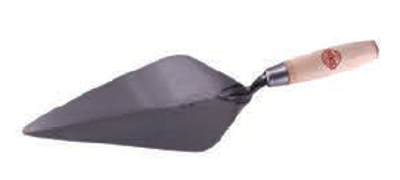
Bricklaying tools
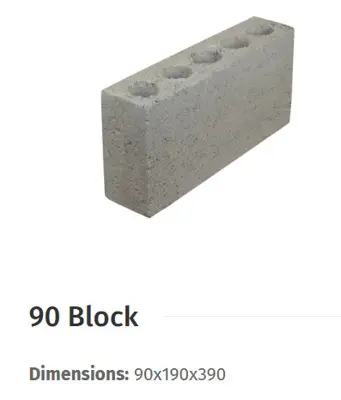
Blocks and stock bricks
What you need
These links open the matching products in the HPM online store, with live prices (incl. VAT) and stock.
- Face bricks - sold per 1,000, delivered by our truck or collected
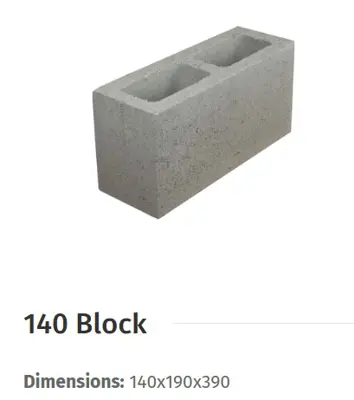
- Bricks, blocks and pavers - clay and cement bricks, blocks and pavers
- Brick calculator - bricks, cement and sand for your wall
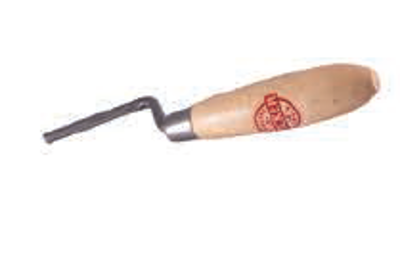
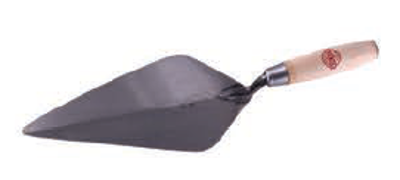
- Brick trowels and jointers
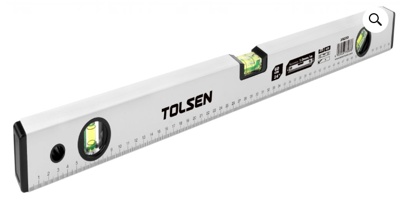
- Spirit levels and builders line
- Ask for a delivery price - bricks travel on our own trucks in the Western Cape
Questions and answers
What is the difference between FBS and FBX face bricks?
Both are durable face bricks. FBS (Face Brick Standard) is uniform in size and shape. FBX (Face Brick Extra) has a high degree of uniformity in size, shape and colour, so the joints are neater and the wall looks more precise. An FBX brick may vary by up to 5 mm in length and 3 mm in width and height, an FBS brick by 7 mm and 4 mm.
What does FBA mean on a brick?
FBA is Face Brick Aesthetic, also called a semi-face brick. It is a durable brick chosen for its uneven size, shape or colour, which gives a rustic, hand-made look. There is no size tolerance for FBA bricks.
How many face bricks do I need per square metre?
For the standard 222 x 106 x 73 mm brick, a single wall takes about 51 to 56 bricks per square metre and a double wall twice that. Add 5 to 10% for cutting and breakage. Larger brick formats need fewer, so check the size of the brick you are buying.
Which face brick is best for a house near the sea?
One that its maker rates for your exposure zone. The FBS, FBX and FBA classes only describe how uniform the bricks are. Makers such as Corobrik state an exposure zone suitability on each product sheet, and it differs from brick to brick. Tell us how close to the sea you are building and we will help you find a suitable brick.
How do I remove the white powder from a face brick wall?
It is efflorescence, salts left behind as the wall dries, and on new work it is usually temporary. Let the wall dry out, then brush it off dry or wipe it with a damp sponge. It needs no chemical cleaning. If it keeps returning, water is getting into the wall and that is what has to be fixed.
Related guides
Delivery from HPM
Parcels up to 50 kg are delivered by courier anywhere in South Africa, with the rate shown at checkout. Heavy building materials such as cement, bricks, sand, stone and timber are delivered by our own trucks in the Western Cape, and any order can be collected free in Struisbaai.
WhatsApp 076 370 4367 for a quote, call 028 435 6331 or email [email protected].
Sources
The facts in this guide were checked against:
- Clay Brick Technical Guide - Chapter 3: Product Specification and Physical Properties - Clay Brick Association of Southern Africa
- Building Contractors Pocket Handbook - Clay Brick Association of Southern Africa
- Face bricks classification - Corobrik
- Cleaning of Face Bricks & Pavers (2022) - Corobrik
- SANS 227: Burnt clay masonry units - South African Bureau of Standards
General guidance only. Products, sites and building rules differ - always follow the product data sheet and your approved plans, and check with your municipality or a registered professional where the work is structural, electrical or needs approval. More short answers: Building Facts & Advice.