In short
- Fence posts in the ground must be H4 treated. Check the mark on the pole.
- Never plant a cut end, never sharpen a pole, and never seal the bottom of a post in concrete.
- On wire and mesh the coating decides the life: heavy galvanised or zinc-aluminium for the coast.
- Corner and end posts carry the strain and need to be heavier and stayed.
- Up to 1.8 m needs no plans but still needs the municipality's authorisation.
A fence fails in one of three places: the posts rot off at ground level, the wire rusts through, or the end posts pull over. All three are decided by what you buy and how the posts go in. This guide covers timber posts and how to plant them, what the coating on wire and mesh means at the coast, and what the law says about height, neighbours and electric fencing.
Timber posts: buy the right class and check the mark
- H4 for anything in the ground. Treated timber is graded by hazard class, and a fence post planted in the ground must be at least H4. In ground that is irrigated and fertilised the wood preservers' association asks for more: H4 for pine and H5 for gum.
- Read the mark on the pole. A properly treated pole is marked with the treater's name or trademark, the year of treatment, a certification mark, and SANS 457 with the H class. Poles from unregistered treaters look treated and fail early.
- Pine or gum? Both are sold as fencing poles. Gum is a hardwood and may be slightly stronger; pine is a softwood with more treatable sapwood.
- Green or black? Green poles are CCA-treated; brown-to-black "tar poles" are creosote-treated. Both protect against rot and insects. Creosote is oily and stains, so keep it for fences people do not lean against.
Planting a post so that it lasts
- Never plant a cut end. Put the uncut, factory-treated end in the ground and brush a suitable preservative onto any cut surface.
- Do not sharpen the pole. Sharpening removes the treated outer wood.
- Do not hammer it in. Plant it in a hole.
- Let it drain. If you use concrete, form it as a collar around the post with the bottom end sticking out below the concrete. Never seal the bottom of a timber post in a cup of concrete: the post must be able to drain. If the post stands on a concrete pad in the bottom of the hole, let the pad set first.
- No holes or notches low down. Keep drilling and grooves out of the part of the post from 300 mm above the ground downwards.
How deep the posts go and how far apart depends on the height of the fence, the mesh and the ground. Ask us for the spacing that suits what you are putting up.
Wire and mesh: it is the coating that counts
Fencing wire is steel protected by a zinc coating, and the coating is what decides how long it lasts in salt air. South African wire is made in two coating weights:
- Light galvanised has the thinner zinc coating.
- Heavy galvanised (Class A) has considerably more zinc. One fence maker puts the life of its heavily galvanised fence at about three times that of ordinary galvanised.
- Zinc-aluminium coated wire goes further: its maker claims at least three times the life of heavy galvanised wire in aggressive conditions, and names coastal areas as where to use it.
At the coast, ask for the coating class before you ask the price. The common types of fence:
- Diamond mesh (chain link): sold by the size of the mesh opening, the height of the roll and the thickness of the wire.
- Welded mesh and hexagonal netting are also made.
- Field fence (the best-known brand is Bonnox): a prefabricated fence of horizontal and vertical wires in a range of heights, sold in 100 metre rolls. The code on the roll gives its height and number of wires.
- Strand fences: plain or barbed wires strained between posts, with droppers between.
Why the end posts matter
A strained wire fence pulls hard on its end and corner posts. One fence maker puts it at about 150 kg for each strand of an ordinary wire fence, which adds up to tonnes on a corner post. Corner and end posts therefore have to be strong and properly stayed. Wire also slackens and tightens with the temperature, so a fence strained tight in winter is looser in summer.
Height, plans and neighbours
- Up to 1.8 metres: a freestanding wall or wire fence that is no higher than 1.8 m at any point and does not hold back soil counts as minor building work. Plans are not required, but the municipality's building control officer must still authorise it. Ask Cape Agulhas Municipality before you build.
- Higher than 1.8 metres, or retaining soil: building plans are needed.
- Estates often have stricter rules of their own.
- Neighbours: the Fencing Act is a farm-fencing law. It does not apply to ordinary erven in a town, so it does not make your neighbour pay half of a boundary wall. Agree in writing with your neighbour before you start.
- Razor wire, spikes and electric fencing: check the municipal by-laws before fitting these on a street or shared boundary.
- Electric fences may only be installed by a registered electric fence installer, who must issue a certificate of compliance.
Working safely
Check for buried pipes and cables before you dig. Wear gloves and eye protection when straining and cutting wire. Wear gloves and a dust mask when cutting treated timber, and never burn the offcuts. The treatment classes are explained in H2, H3, H4 treated pine.
Products for this job
In stock at HPM now, with today's prices (incl. VAT). Tap a product for details, delivery and to add it to your cart.
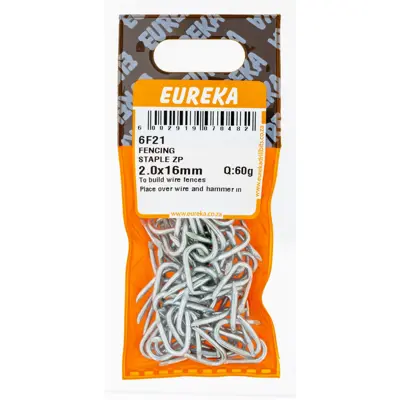
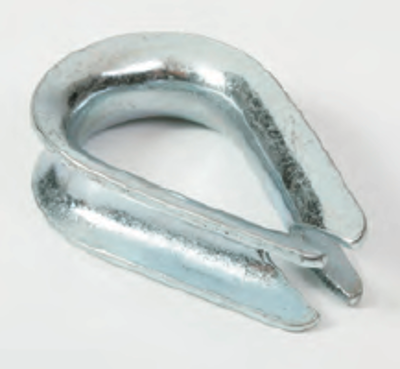
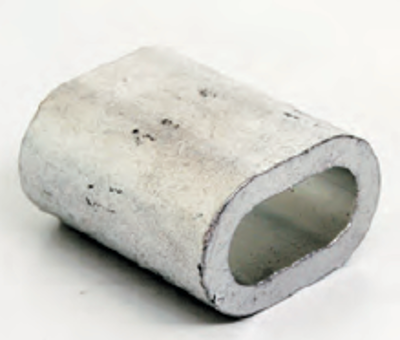
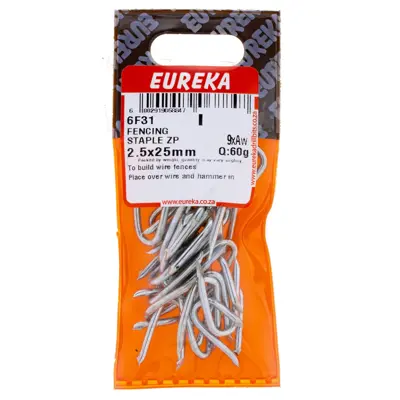
Fencing staples, wire and accessories
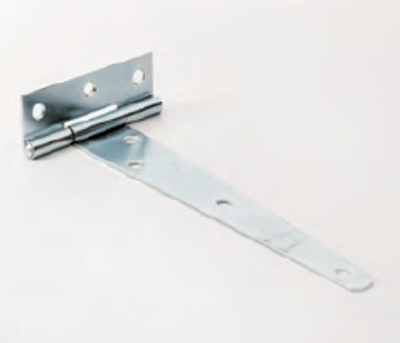
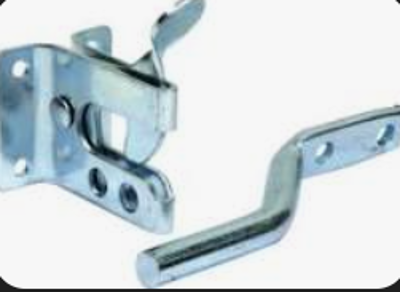
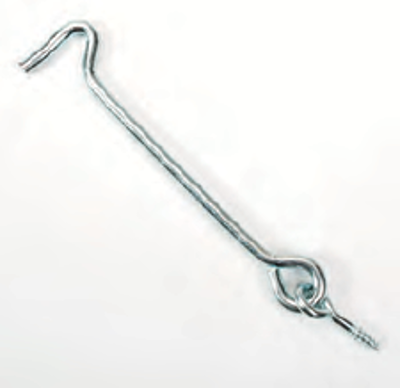
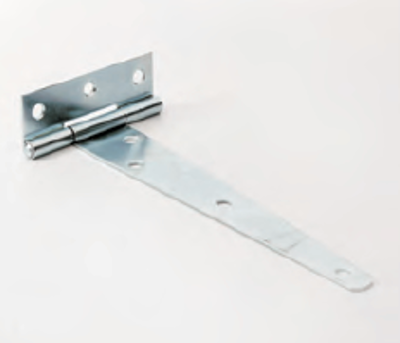
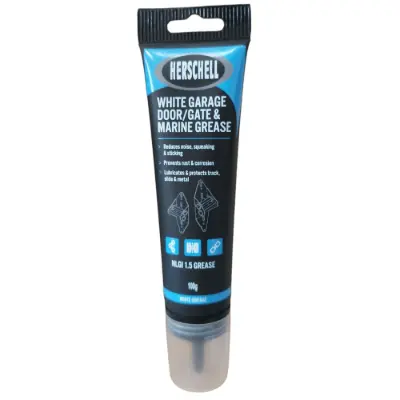
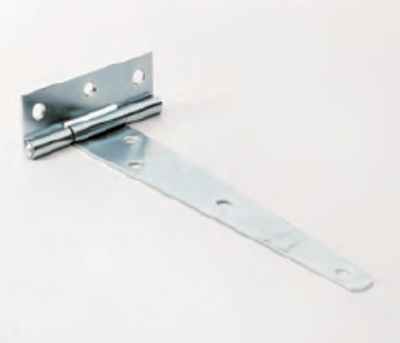
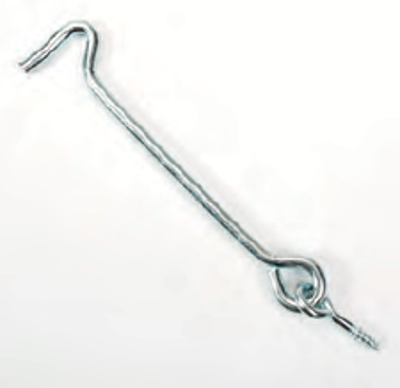
Gate hinges, latches and bolts
Tools for fencing
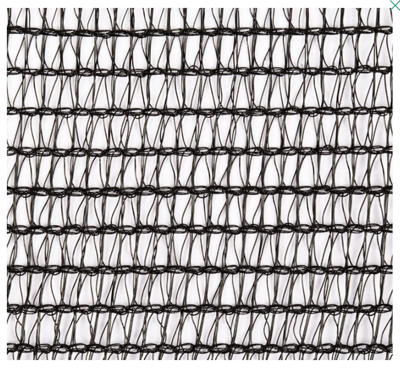
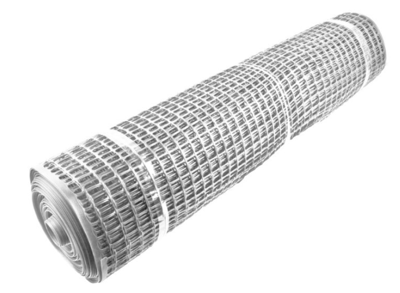
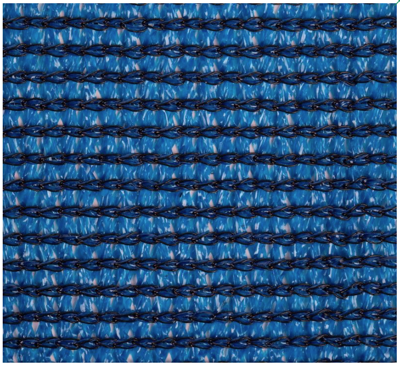
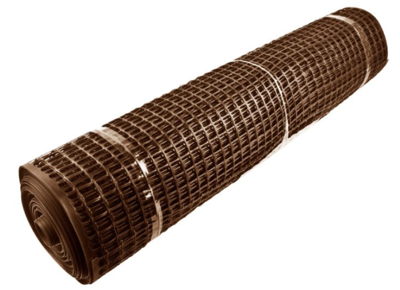
Shade net and garden
What you need
These links open the matching products in the HPM online store, with live prices (incl. VAT) and stock.
- Fencing staples and wire - galvanised staples and fencing accessories
- Poles - ask for the H class you need
- Fasteners - staples, nails, bolts and wire
- Gate hinges and latches
- Shade netting and garden
- Ask for fencing prices and delivery - poles, mesh and wire are not all listed online
Questions and answers
Should fence posts be set in concrete?
They can be, but never with the bottom of a timber post sealed in a cup of concrete, where water collects and rots it. The wood preservers' association says to form the concrete as a collar around the post with the bottom end protruding below it, or to stand the post on a concrete pad that has already set.
What treatment class do fence posts need?
At least H4 for a post planted in the ground. In irrigated, fertilised ground the wood preservers' association asks for H4 for pine and H5 for gum. The pole should be marked with the treater, the year, a certification mark and SANS 457 with the H class.
Which fencing wire lasts longest at the coast?
The coating matters most. Heavy galvanised (Class A) wire carries much more zinc than light galvanised, and zinc-aluminium coated wire is claimed by its maker to last at least three times longer than heavy galvanised in aggressive conditions such as coastal areas.
Do I need plans for a boundary fence or wall?
Not for a freestanding wall or wire fence that is no higher than 1.8 metres at any point and does not retain soil: that is minor building work. It still needs the authorisation of the municipality's building control officer. Above 1.8 metres, or where the wall holds back soil, plans are required.
Must my neighbour pay half for a boundary wall?
Not under the Fencing Act. It is a farm-fencing law and does not apply to ordinary erven in a town. Agree in writing with your neighbour before you build.
Related guides
Delivery from HPM
Parcels up to 50 kg are delivered by courier anywhere in South Africa, with the rate shown at checkout. Heavy building materials such as cement, bricks, sand, stone and timber are delivered by our own trucks in the Western Cape, and any order can be collected free in Struisbaai.
WhatsApp 076 370 4367 for a quote, call 028 435 6331 or email [email protected].
Sources
The facts in this guide were checked against:
- How to plant a preservative treated wooden pole - South African Wood Preservers Association (SAWPA)
- Treated timber poles: general information - South African Wood Preservers Association (SAWPA)
- Wire Products for Various Applications - Consolidated Wire Industries (CWI)
- Why choose Bonnox? - Bonnox
- Fencing Act 31 of 1963 - Government of South Africa
- National Building Regulations: definition of minor building work and regulation A2 (SANS 10400-A) - Government of South Africa / South African Bureau of Standards
General guidance only. Products, sites and building rules differ - always follow the product data sheet and your approved plans, and check with your municipality or a registered professional where the work is structural, electrical or needs approval. More short answers: Building Facts & Advice.