In short
- Allow about 50 litres of hot water per person a day: 150 to 200 litres suits a family of three or four.
- 400 kPa and 600 kPa are pressure ratings. The geyser, pressure control valve and safety valve must all carry the same rating.
- A little water from the overflow while the geyser heats is normal; a constant heavy flow is not.
- Set the thermostat to 60 degrees, never below 55, and switch the geyser off when you are away for more than three days.
- Geysers must be installed to SANS 10254 by a registered plumber. Ask for a PIRB certificate and keep it.
Heating water uses more electricity than anything else in the average home, and a geyser that is the wrong size or fitted with the wrong valves costs you every month, or fails early. This guide explains how to choose the size, what 400 kPa and 600 kPa mean, what each valve around the geyser does, and the warning signs that an old geyser is on its way out. Fitting a geyser is work for a registered plumber, so this is about buying the right thing and knowing what a proper installation looks like.
What size geyser do I need?
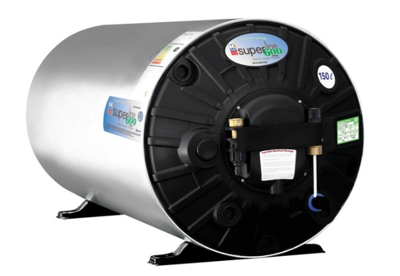
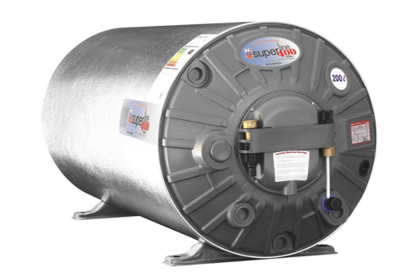
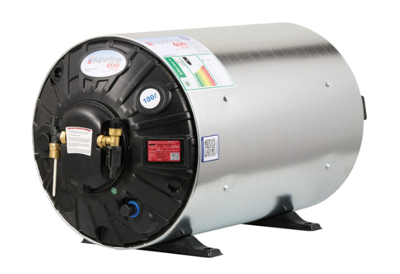
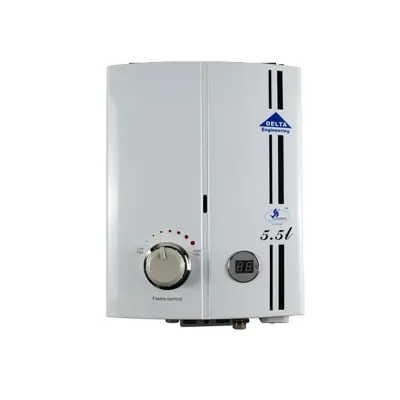
Household electric geysers come in 50, 100, 150, 200 and 250 litre sizes. Kwikot, the best-known South African maker, works on about 50 litres of hot water per person per day, and 60 to 75 litres per person if the household baths or runs a dishwasher. A bath uses roughly 150 to 200 litres of hot water; a shower about 50 to 80 litres.
| People in the house | Geyser size |
|---|---|
| 1 | 50 to 100 litres |
| 2 | 100 to 150 litres |
| 3 to 4 | 150 to 200 litres |
| 5 to 6 | 200 to 250 litres |
| More than 6, or guest accommodation | 250 litres or more, or two geysers |
Bigger is not automatically better: a larger tank takes longer to heat and loses more heat standing. A 150 litre geyser with a 3 kW element takes about 2 to 2.5 hours to heat from cold to 60 °C. A holiday home that fills up in December is the classic case for two geysers, with one switched off for the rest of the year.
400 kPa or 600 kPa?
The kPa figure is the working pressure the geyser is built for. Kwikot makes its household geysers in 400 kPa and 600 kPa versions. A 600 kPa geyser handles higher mains pressure; a 400 kPa geyser is used on lower-pressure systems or where the pressure is reduced before it reaches the geyser.
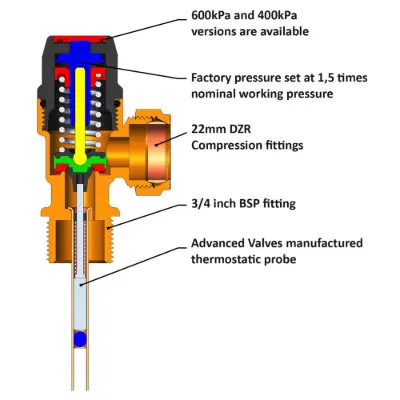
What matters most is that everything matches. The pressure control valve and the safety valve are sold in the same 400 and 600 kPa ratings, and they must carry the same rating as the geyser. If you are replacing a geyser, read the label on the old one and on its valves, and buy the same rating, or have the plumber replace the valves as a set. Older houses may still have a low-pressure system; let a plumber confirm what is installed before you buy.
The valves around a geyser and what they do
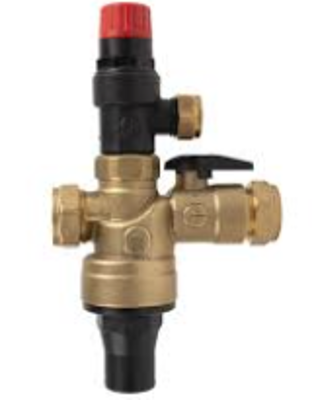
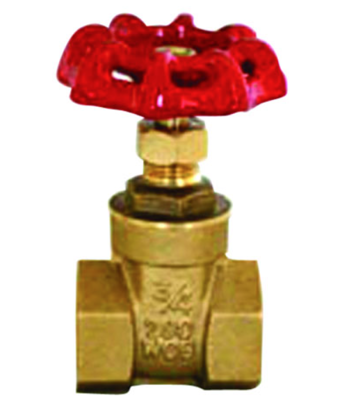
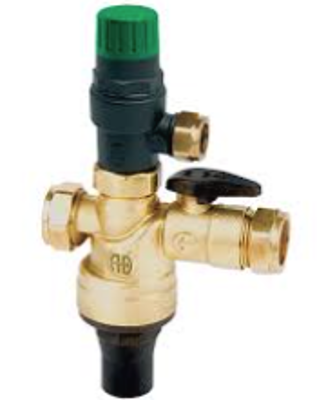
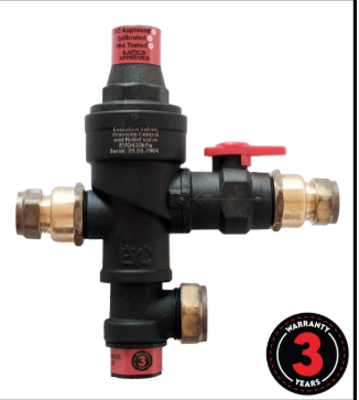
- Pressure control valve. Fitted on the cold supply before the geyser, it limits the pressure that reaches the tank. Multi-valves combine it with an expansion relief valve and a shut-off valve in one body.
- Expansion relief. Water expands as it heats, and this valve lets the small extra volume out. A little water from the overflow while the geyser heats is normal. A constant heavy flow is not, and means a valve needs attention.
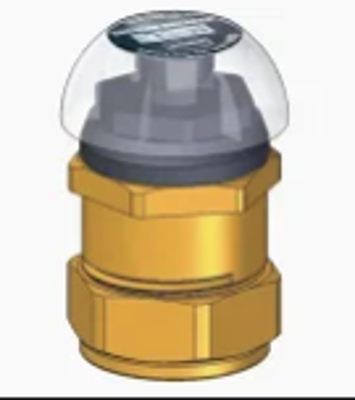
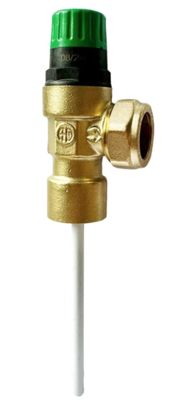
- Temperature and pressure (T&P) safety valve. Fitted on the geyser itself, it releases water if the temperature or pressure rises above a safe level. It comes with a new geyser.
- Vacuum breakers. One on the hot side and one on the cold. They stop water siphoning back and stop the tank collapsing under vacuum.
- Drain cock. Used to empty the geyser for servicing. Also supplied with the geyser.
- Drip tray. A tray under the geyser with its own overflow pipe to the outside of the building, so that a leak does not come through the ceiling.
The overflow pipes from the safety valve and from the expansion relief valve must each run separately to the outside. Never block or cap an overflow pipe that drips: it is a pressure release.
Installation, the plumber and the paperwork
Electric geysers must be installed to SANS 10254, the national standard for installing, maintaining, replacing and repairing them. It has applied to new and replacement geysers since June 2001. A compliant installation has the valves above, a drip tray piped outside, and on the electrical side an isolating switch within a metre of the geyser, earth leakage protection and bonding between the hot and cold pipes.
- Use a registered plumber. The Plumbing Industry Registration Board (PIRB) lets you check a plumber's registration on its website.
- Ask for a PIRB Certificate of Compliance. The plumbing institute said in 2022 that national standards no longer make the certificate compulsory for geyser work, but some municipalities still require it and insurers commonly ask for it when a geyser bursts. Kwikot warns that an installation that does not comply can cost you both the insurance claim and the maker's warranty.
- Keep the proof of installation. The warranty runs from the installation date only if you can show it.
On Kwikot's standard household geysers the warranty is five years on the inner tank, one year on the element and thermostat and two years on the safety valve and drain cock, provided the geyser was installed to the standard.
Keeping the running cost down
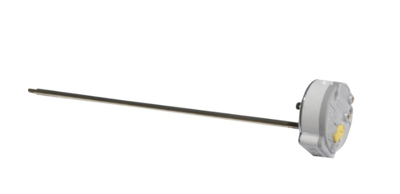
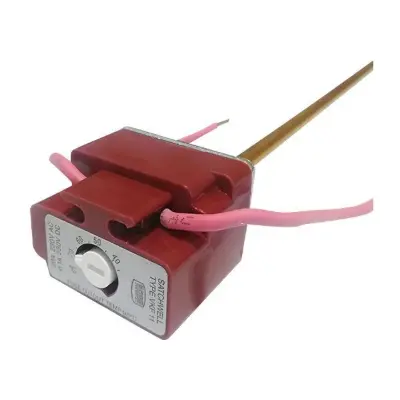
- Thermostat at 60 °C. Eskom says each 10 degrees lower saves 3 to 5%, and Kwikot warns against going below 55 °C because cooler water may not kill harmful bacteria. The thermostat is behind the electrical cover: switch off at the distribution board first, or ask the plumber or electrician to set it.
- New geysers are better insulated. A new geyser must meet energy class B. Kwikot puts the heat a 150 litre class B geyser loses standing at no more than 1.4 kWh a day, against about 2.6 kWh for an old class E geyser.
- Blanket and pipe insulation. An older geyser benefits from a geyser blanket, and the first metre or two of hot pipe should be insulated.
- Going away? Eskom advises switching the geyser off when you are away for more than three days and switching it on about three hours before you need hot water. Useful for a holiday house.
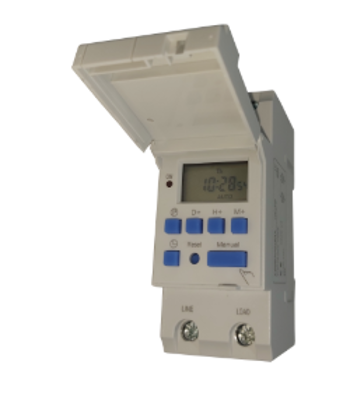
- Timers. A timer stops the geyser reheating when nobody needs hot water. On a modern, well-insulated geyser the saving is modest.
Signs a geyser is failing
- Rusty or discoloured hot water.
- Banging, popping or rumbling as it heats.
- Damp patches or stains on the ceiling below it.
- Water that is lukewarm or runs hot and cold.
- A constant heavy flow from the overflow pipe.
- The earth leakage tripping, which usually points to the element.
A leak at a fitting or gasket can be repaired. A leak through the tank wall means a new geyser. A geyser has a sacrificial anode that protects the tank and is used up over time: Kwikot recommends a service every three to four years where the water is good and every second year where it is hard or poor, and reckons a serviced geyser lasts 8 to 12 years against often under 5 without.
HPM stocks Kwikot geysers, thermostats, valves and geyser timers. A geyser is a bulky item: it is delivered by our own truck in the Western Cape or collected in Struisbaai, while valves and thermostats can be couriered.
Products for this job
In stock at HPM now, with today's prices (incl. VAT). Tap a product for details, delivery and to add it to your cart.
Geysers, thermostats and timers

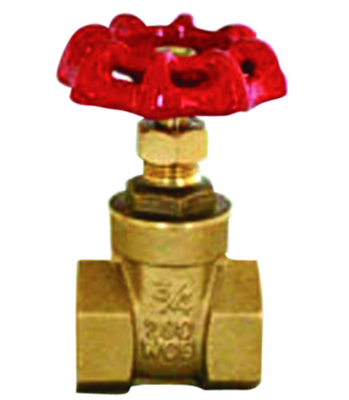
Pressure control and safety valves
What you need
These links open the matching products in the HPM online store, with live prices (incl. VAT) and stock.
- Geysers and geyser parts - Kwikot geysers, thermostats, covers and timers
- Plumbing - valves, fittings and pipe
- Pressure control and safety valves - match the kPa rating of the geyser
- Geyser thermostats
- Geyser timers
- Ask for a price and delivery - geysers travel on our own trucks or are collected
Questions and answers
What size geyser do I need for a family of four?
A 150 to 200 litre geyser. Kwikot's rule of thumb is about 50 litres of hot water per person per day, and 60 to 75 litres per person if the household baths or runs a dishwasher.
What is the difference between a 400 kPa and a 600 kPa geyser?
It is the working pressure the geyser is built for. A 600 kPa geyser handles higher mains pressure; a 400 kPa geyser is used on lower-pressure systems or where the pressure is reduced before the geyser. The pressure control valve and safety valve must have the same rating as the geyser.
Why is my geyser overflow pipe dripping?
A small discharge while the geyser heats is normal: water expands as it warms and the expansion relief valve lets the extra out. A constant heavy flow means a valve problem and needs a plumber. Never block the pipe.
What temperature should a geyser be set to?
60 degrees Celsius. Eskom says each 10 degrees lower saves 3 to 5%, but Kwikot warns that water kept below 55 degrees may not kill harmful bacteria. Switch off the power at the distribution board before touching the thermostat, or ask a plumber or electrician.
Do I need a certificate when a geyser is installed?
Ask for one. Geysers must be installed to SANS 10254 by a qualified plumber. The plumbing institute said in 2022 that the certificate is no longer compulsory nationally, but some municipalities require it and insurers commonly ask for a PIRB Certificate of Compliance when a geyser claim is made.
Related guides
Delivery from HPM
Parcels up to 50 kg are delivered by courier anywhere in South Africa, with the rate shown at checkout. Heavy building materials such as cement, bricks, sand, stone and timber are delivered by our own trucks in the Western Cape, and any order can be collected free in Struisbaai.
WhatsApp 076 370 4367 for a quote, call 028 435 6331 or email [email protected].
Sources
The facts in this guide were checked against:
- Kwikot Water Heater Information - Kwikot
- Electric Geyser Guide South Africa - Kwikot
- Hot water and geyser management - Residential fact sheet (2020) - Eskom Energy Advisory Service
- Certificate of Compliance - Plumbing Industry Registration Board (PIRB)
- Selecting the right CoC for you (14 September 2022) - Institute of Plumbing South Africa (IOPSA)
- SANS 10254 (installing and repairing electric storage water heaters) and SANS 151 (electric storage water heaters) - South African Bureau of Standards
General guidance only. Products, sites and building rules differ - always follow the product data sheet and your approved plans, and check with your municipality or a registered professional where the work is structural, electrical or needs approval. More short answers: Building Facts & Advice.