In short
- A mixer needs hot and cold water at the same pressure. Without it the temperature swings and the cartridge wears.
- Changing from separate taps to mixers? Have a plumber check the pressures first.
- Taps must comply with a SANS tap standard; most municipalities accept products on the JASWIC list.
- An aerator or flow restrictor is what makes a tap water-saving. Ask for the flow rate.
- One dripping tap wastes 400 to 2,600 litres a month.
A tap is one of the few things in a house you touch a dozen times a day, and the wrong one shows up fast: a mixer that runs hot and cold, a dribble where you wanted a stream, or a tap the municipality will not accept. This guide explains the types, the one thing a mixer needs from your plumbing, what the approval marks mean, and how to save water without spoiling the shower.
Taps and mixers: the types
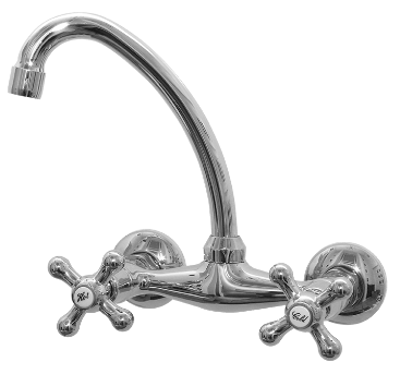
- Separate taps. One for hot, one for cold. The traditional kind screws down onto a washer; the newer quarter-turn kind opens fully with a short turn of the handle.
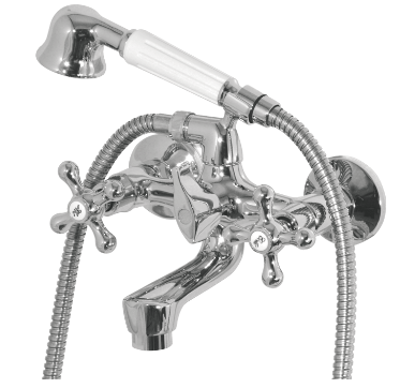
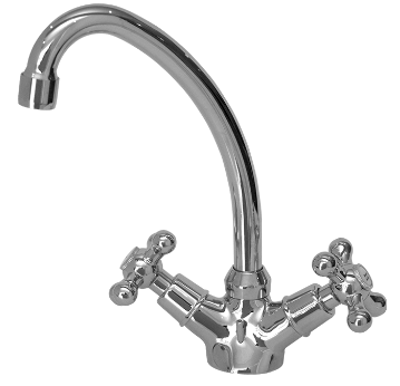
- Two-handle mixers. Separate hot and cold handles feeding one spout.
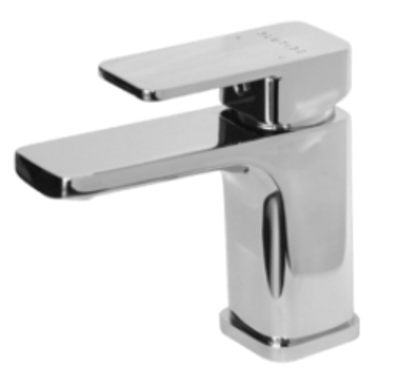
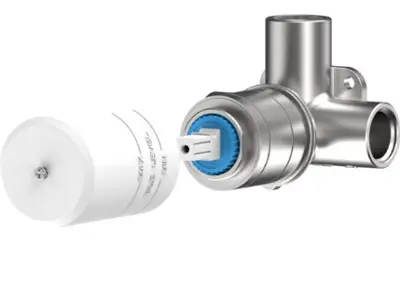
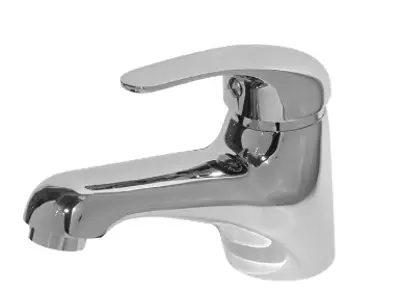
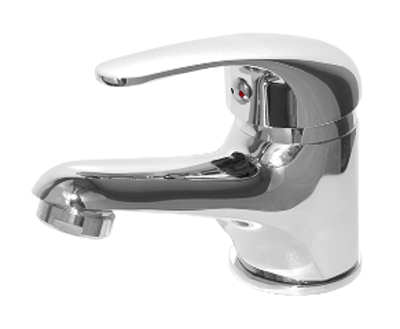
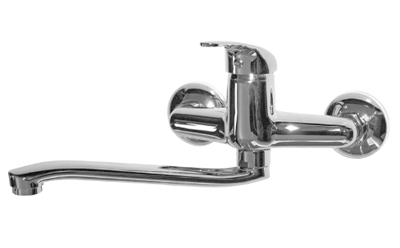
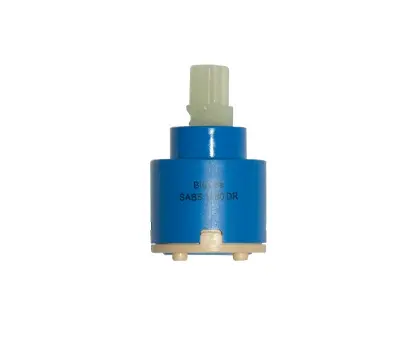
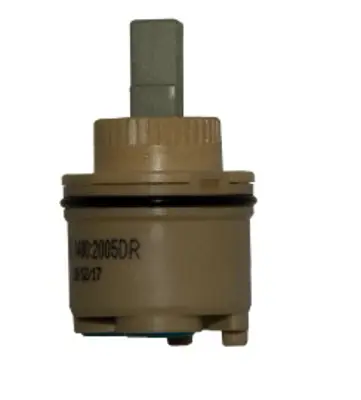
- Single-lever mixers. One lever sets both flow and temperature. Inside is a cartridge with two ceramic discs that slide over each other to make the seal.
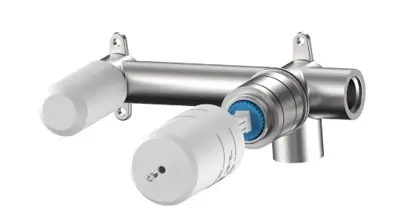
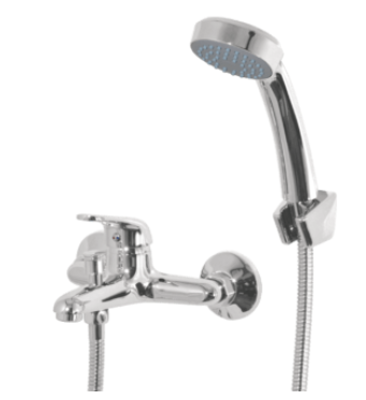
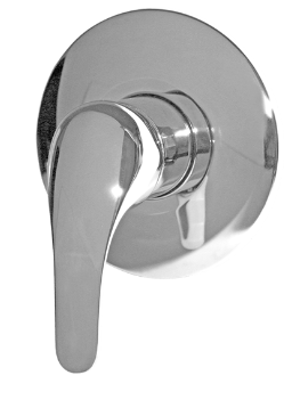
Then there is where it is fitted. A wall-type tap or mixer comes through the wall; a deck-type one stands on the basin, bath or counter. A concealed mixer has its working parts built into the wall with only the handle and trim showing, and a diverter sends the water to either the bath spout or the shower. Basin, bath, shower and sink mixers are not interchangeable: buy the one made for the fitting.
Bath taps are built to fill a bath quickly, so they flow far more than a basin tap. They are not where you save water.
The thing a mixer needs: balanced pressure
Where hot and cold water meet inside a mixer, the two must arrive at the same pressure. The geyser installation standard requires the pressure to be balanced at every mixing point. If it is not, the stronger side overpowers the weaker one. You get a tap where the slightest movement of the lever swings the water from hot to cold, and in single-lever mixers the uneven pressure on the ceramic discs damages the cartridge.
- High-pressure geysers are fed from the mains through a pressure control valve and give a strong, steady flow. Modern mixers are made for this kind of system.
- Low-pressure (gravity-fed) geysers get their pressure from the height of a tank above the outlet, so the flow at taps and showers can be noticeably weaker. Mixers may only be used on them where the hot and cold pressures are equal.
If your house has separate hot and cold taps and you want to change to mixers, have a plumber check the pressures first. They can test it with a gauge at the tap, and an unbalanced installation can usually be put right. Converting a low-pressure geyser to mains pressure is also a plumber's job, because the old pipes and fittings have to be checked before they take the higher pressure. More on the geyser side in choosing a geyser.
Approval marks: SABS and JASWIC
Taps installed in a building must by law comply with a South African tap standard. Two-handle and separate taps are tested to SANS 226 and single-lever mixers to SANS 1480.
JASWIC is the acceptance scheme run by the big municipalities, including Cape Town, with the plumbing institute. Most municipal water by-laws require plumbing components to be on an accepted list, and most municipalities use the JASWIC list rather than keep their own. To get onto it, a product needs a full test report from an accredited laboratory showing it meets the standard. A tap can be JASWIC-listed without carrying the SABS mark.
What to do with this: before you buy, check the box or ask us whether the tap complies with the SANS standard or is JASWIC-listed. JASWIC publishes its list of accepted products on its website. A listing is evidence the tap was tested. It is not a warranty.
Flow rates and saving water
The installation standard limits a hand basin to 6 litres a minute and a shower to 10. A basin mixer straight out of the box can legally flow up to about twice that. The difference is made up by a flow restrictor or an aerator in the spout. If you are buying taps to save water, ask about the flow rate and whether an aerator or restrictor is fitted. There is no South African standard for showerheads, so their flow varies widely: check the figure on the box.
Fix drips promptly. The Department of Water and Sanitation puts the waste from one leaking tap at 400 to 2,600 litres a month, and leaks on your property are your account.
Choosing and looking after a tap
- Match the fitting: basin, bath, shower or sink; wall or deck; and the number of holes already in the basin or wall.
- Match the plumbing: the common household size is 15 mm. Check the box against your pipes.
- Spares: single-lever cartridges come in different sizes and makes. When one wears out, take the old cartridge, or the make and model of the tap, to the counter.
- At the coast, our advice is to ask what the body of the tap is made of and what the finish warranty covers at the coast, and wipe taps down regularly.
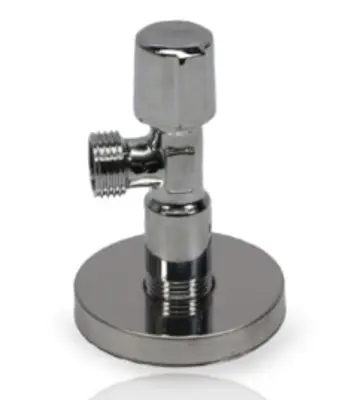
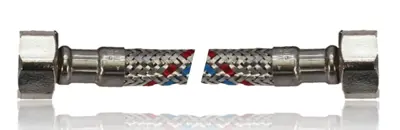
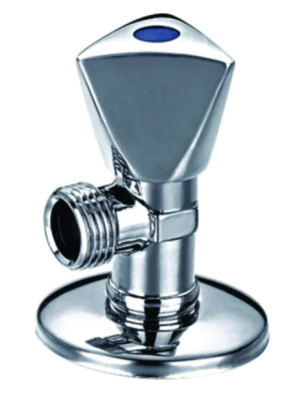
- Before any repair: close the stopcock or the angle valve under the basin first. Replacing a like-for-like washer, cartridge or flexible connector is a common home repair; anything inside the wall, or anything that touches the geyser's valves, is for a plumber.
Products for this job
In stock at HPM now, with today's prices (incl. VAT). Tap a product for details, delivery and to add it to your cart.
Basin and bath mixers
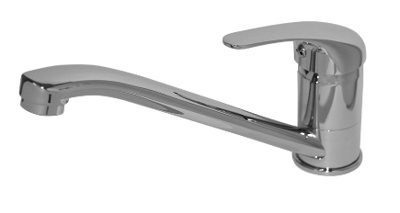
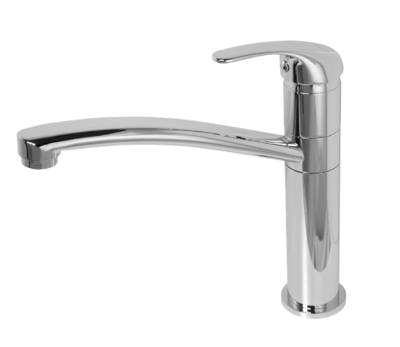
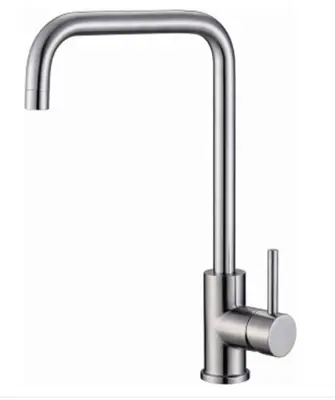
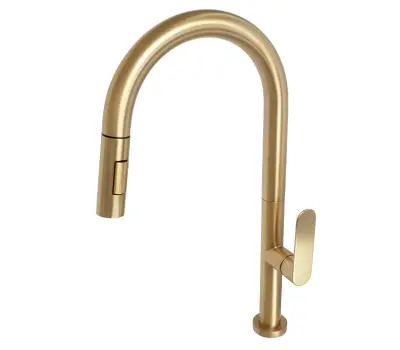
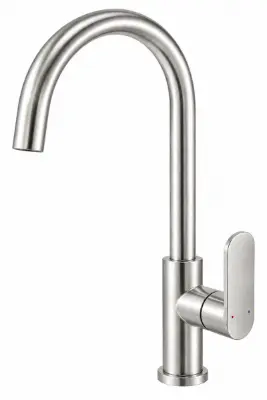
Kitchen sink mixers
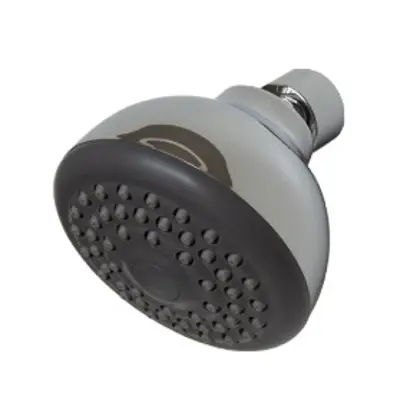
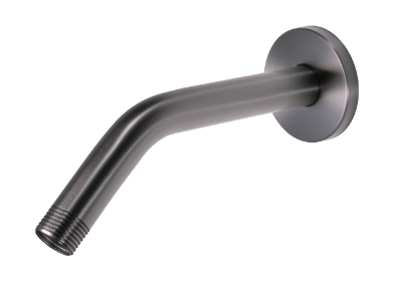
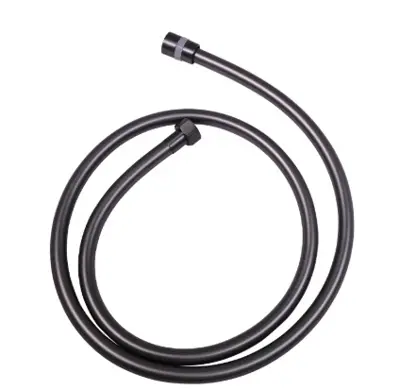
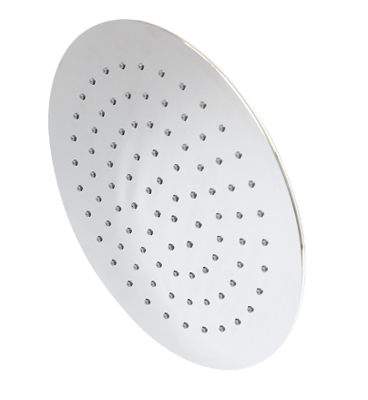
Showers
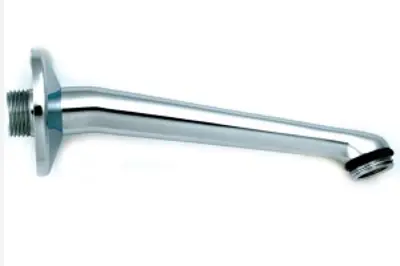
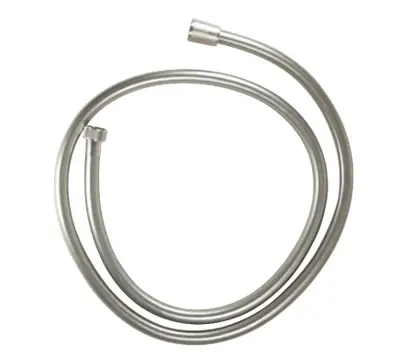
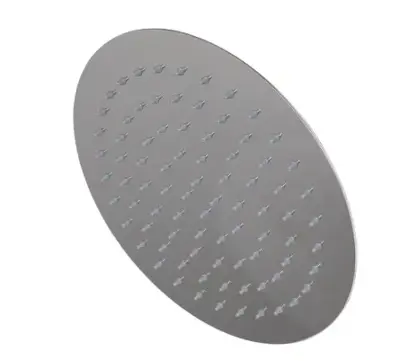
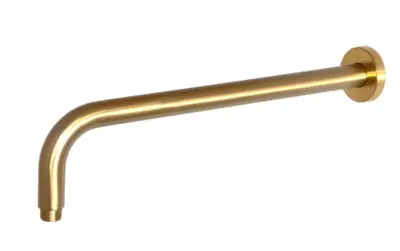
Cartridges, valves and connectors
What you need
These links open the matching products in the HPM online store, with live prices (incl. VAT) and stock.
- Taps and mixers - basin, bath, shower and sink mixers
- Kitchen sink mixers
- Mixer cartridges - take the old one with you to match
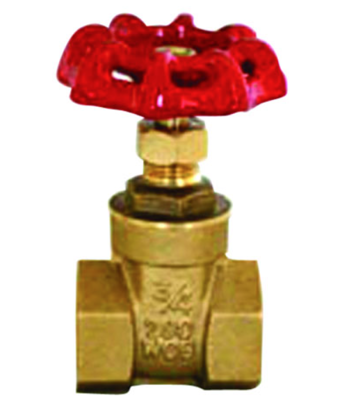
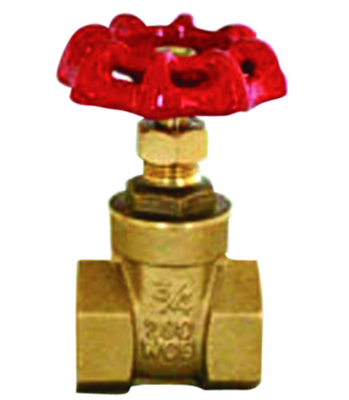
- Plumbing fittings - valves, connectors and fittings
- Shower heads and hoses
- Ask us to match a spare - send the make and model, or a photo
Questions and answers
Why does my mixer run hot and cold?
Usually because the hot and cold water do not reach it at the same pressure. The stronger side overpowers the weaker, so a small movement of the lever gives a big change in temperature. A plumber can test the pressures with a gauge and balance the installation.
Can I fit a mixer on a low-pressure geyser?
Only where the hot and cold pressures at the mixer are equal. Low-pressure, gravity-fed geysers get their pressure from the height of a tank, so the flow can be noticeably weaker. Have a plumber check the pressures before you buy mixers.
What does JASWIC approved mean on a tap?
JASWIC is the acceptance scheme of the major municipalities for water installation components. A listed product has a full test report from an accredited laboratory showing that it meets the South African standard. Most municipal by-laws require components to be on an accepted list. It is not a warranty.
How do I make my taps use less water?
Fit, or buy taps with, an aerator or flow restrictor. The installation standard limits a hand basin to 6 litres a minute and a shower to 10, but a basin mixer without a restrictor can flow about twice that. Ask for the flow rate when you buy.
How much water does a dripping tap waste?
The Department of Water and Sanitation puts it at 400 to 2,600 litres a month for one leaking tap, and leaks on your property are your responsibility.
Related guides
Delivery from HPM
Parcels up to 50 kg are delivered by courier anywhere in South Africa, with the rate shown at checkout. Heavy building materials such as cement, bricks, sand, stone and timber are delivered by our own trucks in the Western Cape, and any order can be collected free in Struisbaai.
WhatsApp 076 370 4367 for a quote, call 028 435 6331 or email [email protected].
Sources
The facts in this guide were checked against:
- The Joint Acceptance Scheme for Water Services Installation Components - general information (2025) - JASWIC
- South African Tap and Flow Rate Gap Analysis (2022) - CLASP
- Why do my mixers require balanced water pressure? (2024) - Plumbing Africa
- Solar geysers: High-pressure versus low-pressure - Plumbing Africa
- SANS 226 (water taps), SANS 1480 (single control mixer taps), SANS 10252-1 (water supply installations) and SANS 10254 - South African Bureau of Standards
General guidance only. Products, sites and building rules differ - always follow the product data sheet and your approved plans, and check with your municipality or a registered professional where the work is structural, electrical or needs approval. More short answers: Building Facts & Advice.