In short
- 40 and 50 mm white pipe is for waste water; 110 mm is the usual size for toilets and house drains.
- Waste and drain pipes are not pressure pipes and are never for hot water supply.
- Solvent cement bonds rigid uPVC only. It does not work on black HDPE or LDPE pipe.
- HDPE is for drinking water and uses compression fittings; LDPE is for irrigation and uses insert fittings.
- You may repair a drain yourself. Altering one needs the municipality's approval.
Plastic pipe looks interchangeable on the shelf and is anything but. White waste pipe, underground drain pipe, pressure pipe and black water pipe are four different products with different fittings and different glues. This guide explains which is which, how the joints are made, and where the law draws the line between a repair you may do yourself and work that needs the municipality.
Which pipe is which
| Pipe | Sizes | Used for |
|---|---|---|
| uPVC waste pipe (white) | 40 mm and 50 mm | Waste water from basins, baths, showers and sinks, above ground. |
| uPVC soil and vent pipe | 75, 110 and 160 mm | From the toilet to the drain, and the vent pipe up the wall. 110 mm is the usual house size. |
| uPVC sewer and drain pipe | 110 mm and larger | Underground drains. Sold in normal duty and heavy duty; heavy duty has the thicker wall. |
| uPVC pressure pipe | By pressure class | Water under pressure. A different product from drain pipe. |
| HDPE pipe (black) | By pressure class | Cold drinking-water supply. Joined with compression fittings. |
| LDPE pipe (black) | By pressure class | Irrigation only. Joined with insert fittings and clamps. |
Waste, soil and drain pipes are not pressure pipes: never use them for a line that is under pressure, and never for hot water supply or geyser pipes. Hot and cold water inside the house runs in pipe systems made and marked for it.
uPVC is a good material for the coast. The maker states that it is unaffected by coastal atmospheres and household cleaners, does not corrode, and is stabilised against sunlight.
Solvent weld or rubber ring?
- Solvent weld. The pipe and fitting are bonded with solvent cement. Used on 40 and 50 mm waste pipe and available on soil and vent pipe.
- Rubber ring (push-fit). The pipe pushes into a socket with a rubber seal. No glue and no special tools. Common on soil pipe and underground drains.
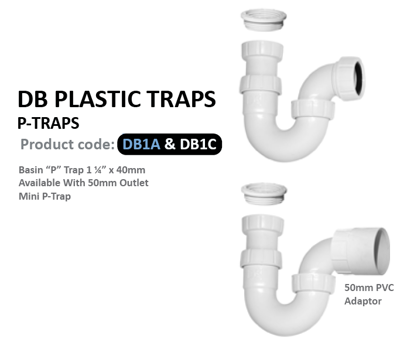
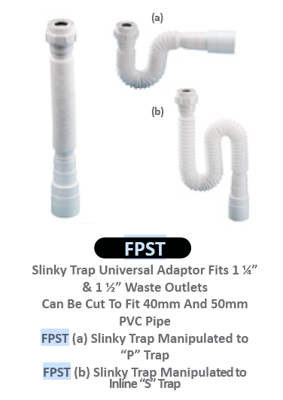
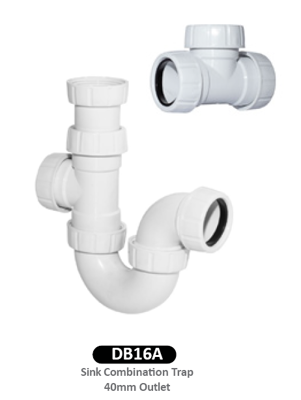
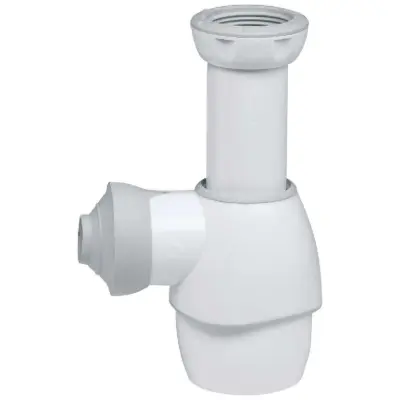
- Slip-on traps. The traps under basins, baths and sinks have slip-on ends tightened with clamps, and they allow for an outlet that does not quite line up with the pipe.
Making a solvent-weld joint
- Cut square and deburr the inside and outside of the pipe end.
- Clean both surfaces. They must be dry and free of dust and grease. Roughen them lightly with sandpaper and wipe with a cleaner.
- Apply cement to both the pipe and the inside of the fitting.
- Push the pipe in to the full depth of the socket, hold it for a minute and wipe off the excess.
- Leave it alone. One maker's figures are 30 minutes before handling and 4 hours before a waste pipe goes into use, or 24 hours for a pressure line, and longer in cold weather. Follow the tin you are using.
Use the right cement: it is sold in pressure and non-pressure grades. Solvent cement bonds rigid uPVC. It does not bond polyethylene or polypropylene, so it cannot be used on black HDPE or LDPE pipe, and it does not suit soft, flexible PVC. It is flammable and gives off fumes: work with ventilation, do not smoke, wear gloves and keep the lid on.
The fittings you will meet
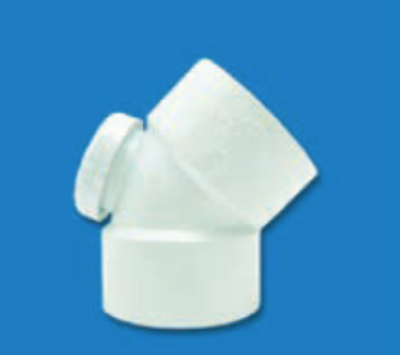
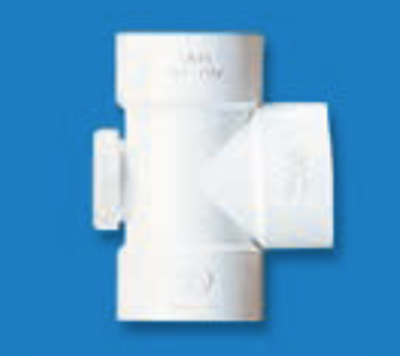
- Bends and junctions change direction and join branches. Access bends and access junctions have a removable cover for clearing blockages.
- Rodding eyes and inspection pipes give access to a drain for rods.
- Gully traps, heads and grates take waste water into the drain at ground level.
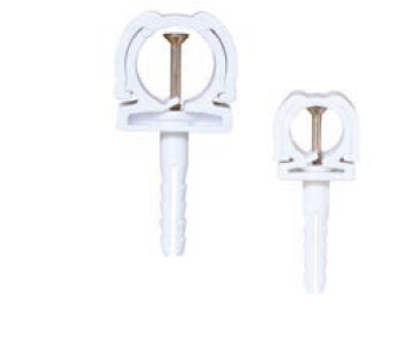
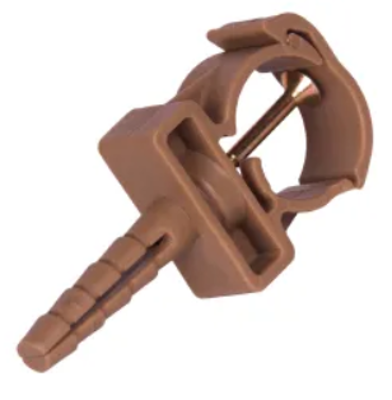
- Holderbats and pipe clips fix pipe to the wall.
- Vent cowls cap the top of a vent pipe.
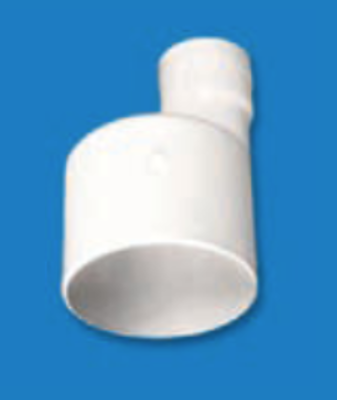
- Reducers and adaptors step between 110 mm soil pipe and 40 or 50 mm waste pipe.
Take the old fitting with you, or measure the outside diameter of the pipe. Fittings are sized to the pipe, and fittings for one type do not fit another.
Black water pipe: HDPE and LDPE are not the same
Both are black polyethylene, and they are easy to confuse. HDPE carries drinking water. It has a constant outside diameter and takes compression fittings, which slide over the pipe and grip when the nut is tightened, and can be undone again. LDPE is for irrigation only. It has a constant inside diameter and takes insert fittings pushed into the pipe and held with a clamp. The class number on the pipe is its pressure rating: class 3 is rated at 300 kPa. Fittings for one type do not fit the other.
What you may do yourself
- Repairs and maintenance are yours. Replacing a leaking trap, a cracked length of waste pipe with the same again, or clearing a blockage is allowed.
- Alterations are not. Under the National Building Regulations nobody may break into or alter a drainage installation, or connect to a sewer, without the local authority's authorisation. A new toilet position, an extra bathroom or a new drain connection needs approval, and the drains must be inspected and tested by the municipality before they are used.
- Keep rain and sewage apart. Gutters and yard drains may not be led into the sewer, and waste water may not go into a stormwater drain.
For anything beyond a like-for-like repair, use a registered plumber. Related: fixing a running toilet and taps and mixers.
Products for this job
In stock at HPM now, with today's prices (incl. VAT). Tap a product for details, delivery and to add it to your cart.
Pipe fittings: elbows, bends and junctions
Traps, holderbats and gullies
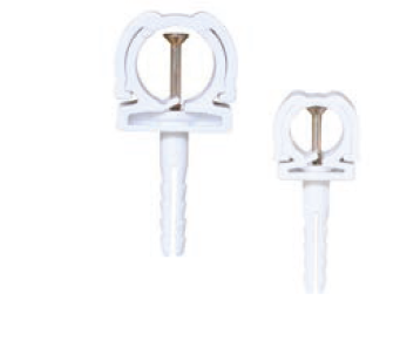
PVC Holderbat White 15mm
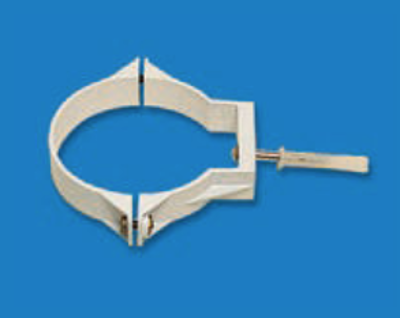
Above Ground PVC Holderbat 50mm
PVC Holderbat White 22mm
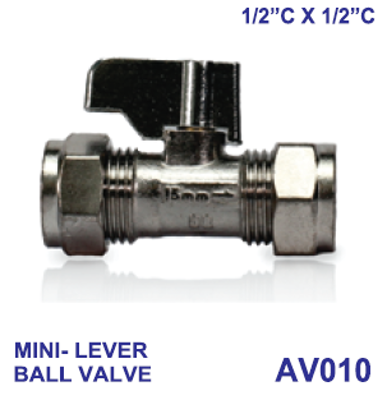
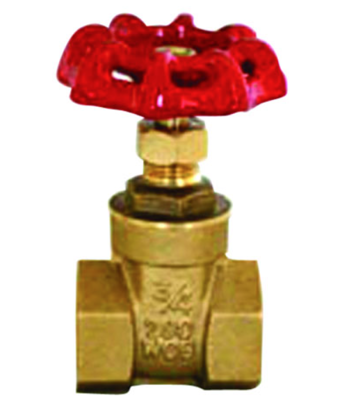
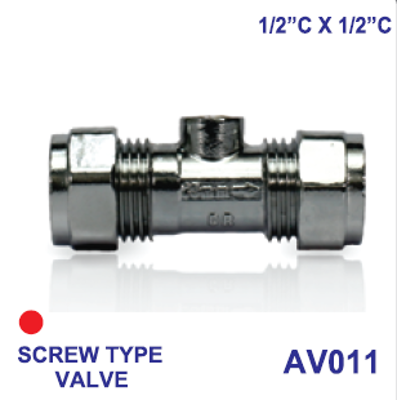
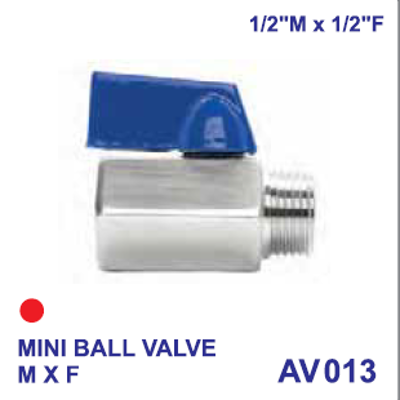
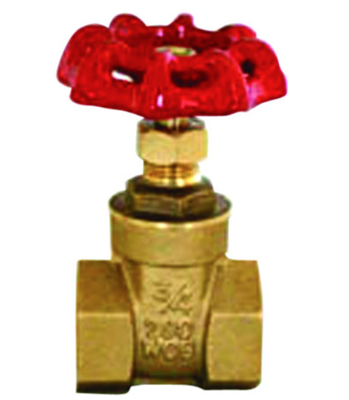
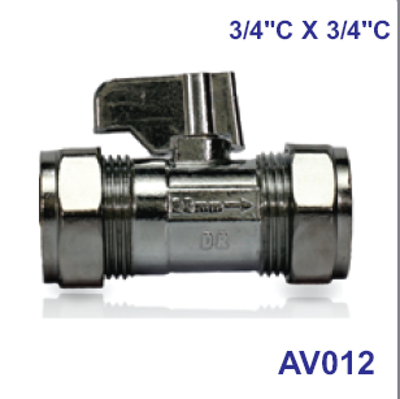
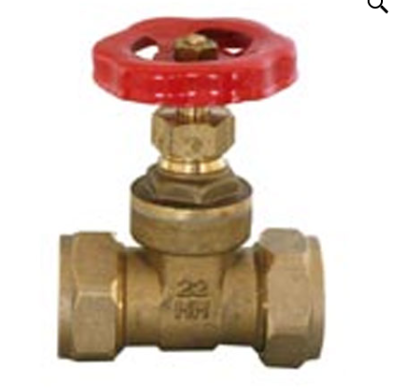
Valves and couplings
Irrigation fittings
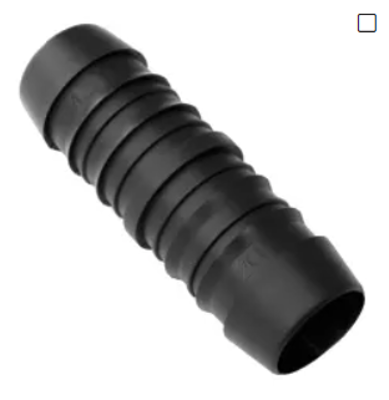
Nylon Barbed Coupling 20mm
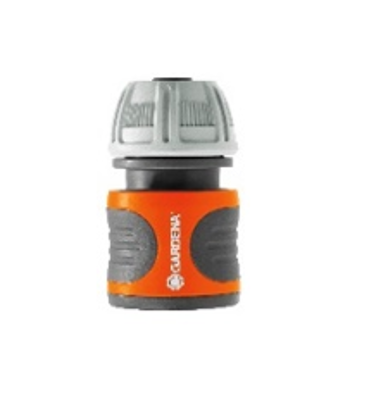
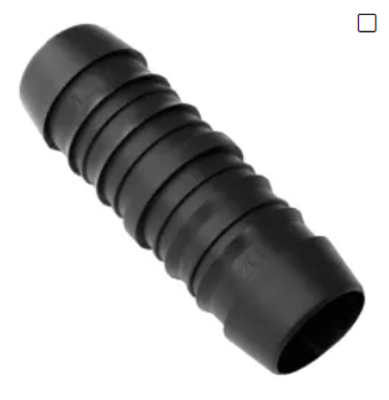
Nylon Barbed Coupling 15mm
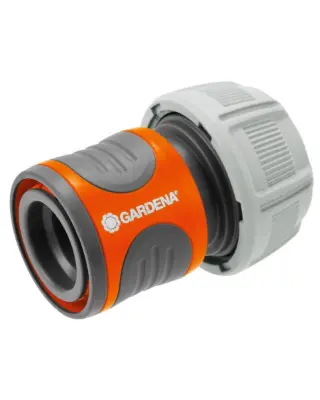
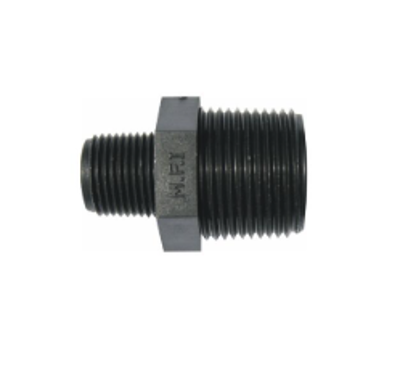
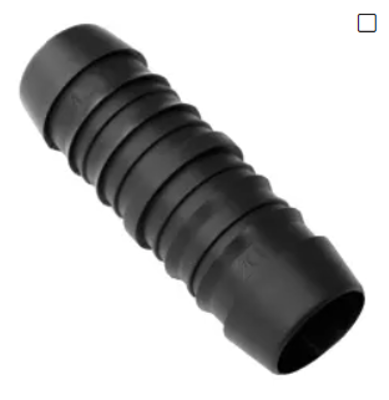
Nylon Barbed Coupling 25mm
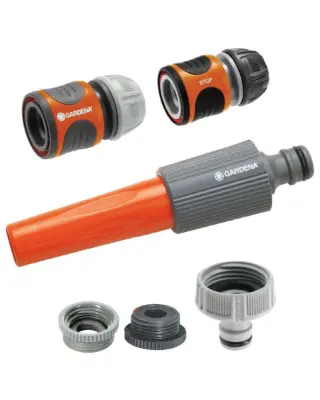
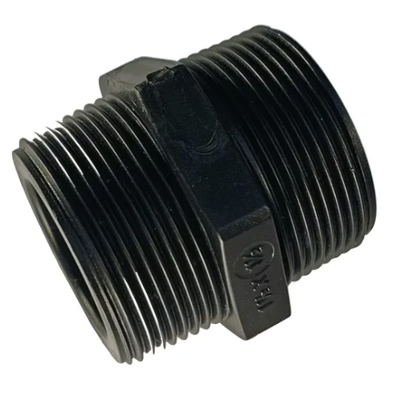
Nylon BSP Nipple 40mm
What you need
These links open the matching products in the HPM online store, with live prices (incl. VAT) and stock.
- Plumbing - pipe fittings, traps, valves and connectors
- Elbows and bends
- Holderbats and pipe clips
- Ball valves
- Irrigation and hose fittings
- Ask us to match a fitting - send a photo and the pipe's outside diameter
Questions and answers
What size PVC pipe is used for a toilet, basin and bath?
White uPVC waste pipe comes in 40 mm and 50 mm for basins, baths, showers and sinks. Soil pipe from the toilet and the house drain are usually 110 mm. Your plumber sizes each pipe to the drainage regulations.
Can I use PVC waste pipe for hot water or pressure?
No. White uPVC waste and drain pipe is a non-pressure drainage product. Never use it for geyser pipes, hot-water supply or any line under pressure. Use a pipe system made and marked for that purpose.
How long does PVC weld take to dry?
It depends on the cement. One maker gives 30 minutes before handling, 4 hours before a waste pipe goes into use and 24 hours for a pressure line, and longer in cold weather. Follow the tin you are using.
What is the difference between HDPE and LDPE pipe?
Both are black polyethylene. HDPE is used for drinking water and takes compression fittings that slide over the pipe. LDPE should only be used for irrigation and takes insert fittings held with a clamp. Their fittings are not interchangeable.
Do I need permission to change my drains?
For repairs and maintenance, no. For alterations, yes: the National Building Regulations do not allow anyone to break into or alter a drainage installation, or connect to a sewer, without the local authority's authorisation, and new drains must be inspected and tested before use.
Related guides
Delivery from HPM
Parcels up to 50 kg are delivered by courier anywhere in South Africa, with the rate shown at checkout. Heavy building materials such as cement, bricks, sand, stone and timber are delivered by our own trucks in the Western Cape, and any order can be collected free in Struisbaai.
WhatsApp 076 370 4367 for a quote, call 028 435 6331 or email [email protected].
Sources
The facts in this guide were checked against:
- uPVC Waste Pipe Systems - Marley Pipe Systems SA
- Underground Drainage Systems - Marley Pipe Systems SA
- Marley Product Catalogue (2019) - Marley Pipe Systems SA
- PVC Weld - Technical Data Sheet (2016) - Bostik South Africa
- National Building Regulations, Part P: Drainage - Government of South Africa
- SANS 967 (uPVC waste, soil and vent pipes), SANS 791 (uPVC sewer and drain pipes) and SANS 10400-P (drainage) - South African Bureau of Standards
General guidance only. Products, sites and building rules differ - always follow the product data sheet and your approved plans, and check with your municipality or a registered professional where the work is structural, electrical or needs approval. More short answers: Building Facts & Advice.