In short
- PVC gutters do not corrode and need no paint. Metal gutters at the coast need hosing down.
- PVC gutter brackets: no more than 1 metre apart, and one within 100 mm of every joint.
- Never glue PVC gutter joints. They seal on rubber seals and must be free to move.
- Seal metal gutters with neutral-cure silicone, never the vinegar-smelling kind.
- Stormwater may not be led into the sewer or onto a neighbour's property.
Gutters take the water off the roof and away from the walls. When they leak or block, the water ends up in the wall instead, and damp and peeling paint follow. This guide covers the parts and what they are called, plastic and metal at the coast, the makers' rules for putting up PVC gutters, sealing metal joints, where the water may legally go, and feeding a rainwater tank.
What the parts are called
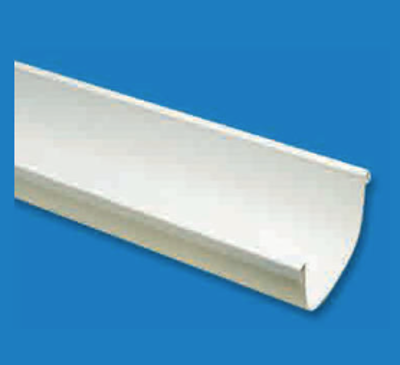
- Gutter: the channel fixed along the edge of the roof.
- Fascia bracket: holds the gutter to the fascia board.
- Stop end: closes the end of a gutter.
- Outlet: the opening that drops the water into the downpipe.
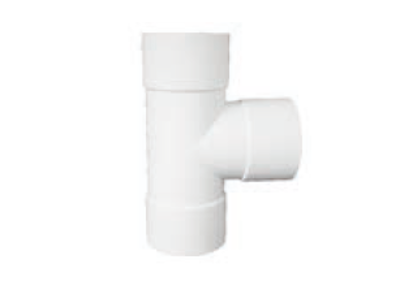
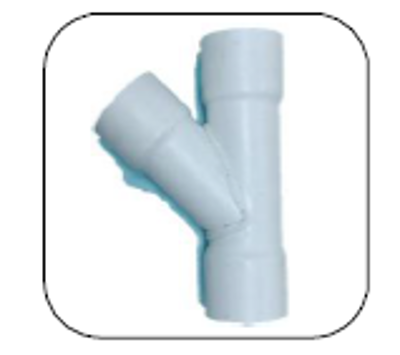
- Downpipe: the vertical pipe to the ground, held by clips.
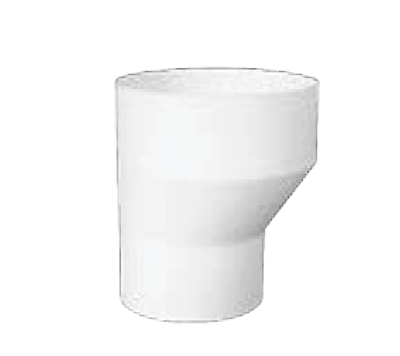
- Offset or swan neck: carries the pipe from an overhanging eave back to the wall.
- Shoe: the short bend at the foot that throws the water away from the wall.
Gutters come in half-round and square profiles, each with its own matching downpipes and fittings.
Plastic or metal at the coast
- PVC gutters do not corrode. Marley's are coloured right through and protected against sunlight, so they need no paint. They may be painted, but the maker says painted gutters need more maintenance and that painting ends the 10-year warranty.
- Metal gutters are made in galvanised steel, zinc-aluminium coated and pre-painted steel, aluminium and stainless steel. On coated steel, wind-borne salt is aggressive wherever the rain does not wash it off. Hose metal gutters down with clean water, and clean and repaint any cut edge that starts to corrode.
- Sweep out after roof work. Metal offcuts, drill swarf, rivet stems and loose screws left in a gutter rust, and stain or corrode the gutter and roof.
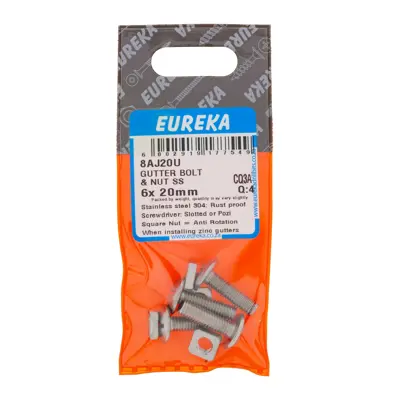
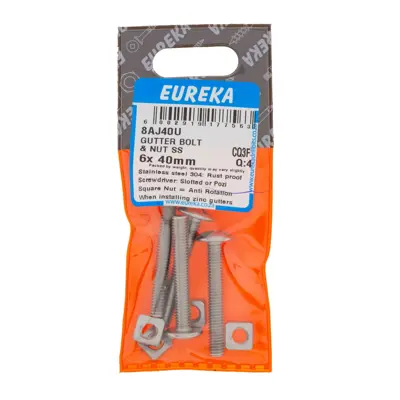
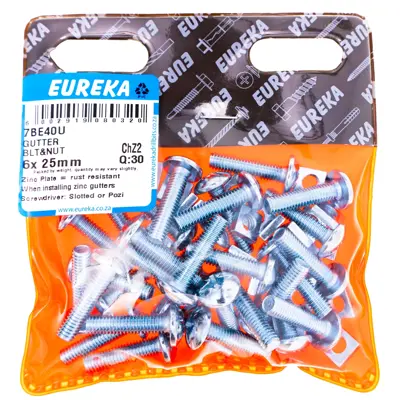
- Match the bolts to the gutter. A roofing maker's table marks stainless steel in direct contact with galvanised or zinc-aluminium coated steel as not compatible. Use galvanised fasteners on galvanised gutters, and ask us if you are unsure.
Putting up PVC gutters: the maker's rules
- Brackets no more than 1 metre apart, fixed firmly so the gutter cannot sag.
- A bracket within 100 mm of every joint and fitting, to carry the weight of the water there.
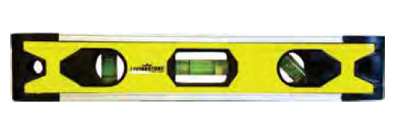
- A slight, even fall towards each outlet. Check the line of the brackets with a level.
- Do not glue the joints. PVC moves with the temperature. The joints seal on rubber seals and are held by clips, with the maker's expansion gap left at each one.
- Cut square with a fine-tooth saw and clean off the burrs.
- Three clips on a downpipe: one at the top, one halfway and one at the shoe.
- Test with water when you finish, to check the flow and the joints.
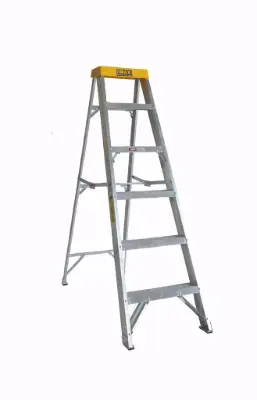
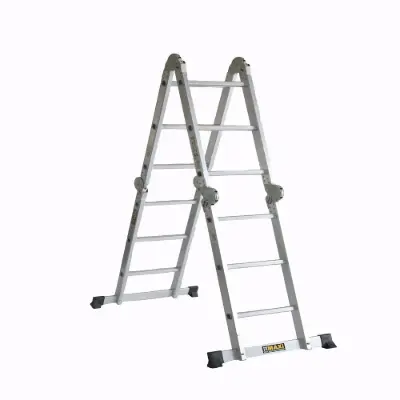
Gutter work is ladder work at the edge of a roof. Secure the ladder, do not lean it against a plastic gutter, and have someone with you. Leave double-storey work to a contractor. Old fibre-cement gutters and fascias may contain asbestos and must not be cut, drilled or sanded.
Sealing joints in metal gutters
Use a neutral-cure silicone on metal gutters, outlets and flashings. It does not corrode metal and sticks to galvanised steel, aluminium and PVC. Ordinary acetoxy silicone, the kind that smells of vinegar, can corrode galvanised steel and must not be used on it.
The surfaces must be clean and dry. Smooth the bead within five minutes; it is touch-dry in about an hour and cures at 1 to 2 mm of depth a day. One 300 ml cartridge gives about 12 metres of a 5 mm bead. More in choosing a sealant.
Where the water must go
- It is the owner's duty. The National Building Regulations require the owner of a site to provide a suitable way to control and dispose of the stormwater that runs off buildings and paving.
- Never into the sewer. The Cape Agulhas wastewater by-law prohibits letting stormwater into a sewer installation without written consent. A downpipe may not run into a gully or drain that leads to the sewer.
- Not onto your neighbour. Lead the water away from your own walls and foundations without sending it next door.
How many downpipes a roof needs, and what size of gutter, depends on the area of roof each one serves. Bring us the roof measurements and we will help you work it out.
Feeding a rainwater tank
PVC gutters and downpipes connect easily to a water tank. Two fittings keep the tank water cleaner:
- A rainhead or leaf catcher on the downpipe keeps leaves and larger debris out.
- A first-flush diverter sends the first, dirtiest water off the roof into a separate tube before clean water runs to the tank. The tank maker recommends one on every downpipe that feeds a tank.
Looking after gutters
Clean gutters and downpipes before the winter rains and again after the windy season, and more often under trees. Check that brackets are tight and joints are not dripping. Insurers treat this as the owner's job: damage from poor maintenance is commonly excluded from cover. If paint is blistering or white salts are showing on a wall below a gutter, fix the gutter before you repaint: see paint problems on coastal walls.
Products for this job
In stock at HPM now, with today's prices (incl. VAT). Tap a product for details, delivery and to add it to your cart.
Gutters, downpipes and fittings

Ladders and tools
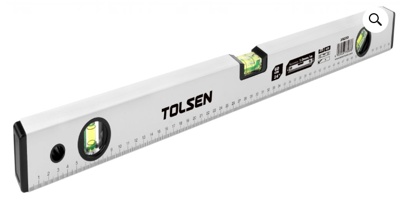
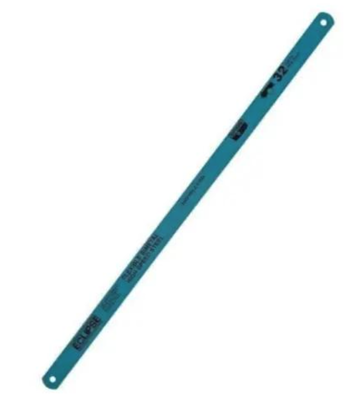
What you need
These links open the matching products in the HPM online store, with live prices (incl. VAT) and stock.
- Gutters and fittings - gutters, brackets, outlets and stop ends
- Downpipes and fittings
- Roof and ceiling
- Neutral-cure silicone - for metal gutter joints
- Plumbing pipe and fittings
- Ask about gutters and tanks - bring your roof measurements
Questions and answers
Are PVC or metal gutters better at the coast?
PVC gutters do not corrode and need no painting. Metal gutters are made in galvanised, coated and pre-painted steel, aluminium and stainless steel; on coated steel, wind-borne salt is aggressive where rain does not wash it off, so metal gutters near the sea need hosing down with clean water.
How far apart should gutter brackets be?
For PVC gutters the maker Marley says no more than 1 metre apart, with a bracket within 100 mm of every joint and fitting. For metal gutters follow the supplier's instructions.
Should I glue or silicone PVC gutter joints?
No. PVC moves with the temperature. PVC gutter joints seal on rubber seals and are held with clips, with an expansion gap left at each joint. Gluing them stops that movement.
Which silicone do I use on a metal gutter?
A neutral-cure silicone. It does not corrode metal and bonds to galvanised steel, aluminium and PVC. Ordinary acetoxy silicone, which smells of vinegar, can corrode galvanised steel and must not be used on it.
Can a downpipe run into the sewer drain?
No. The Cape Agulhas wastewater by-law prohibits letting stormwater into a sewer installation without written consent. The owner must lead roof water away by suitable means, and not onto a neighbour's property.
Related guides
Delivery from HPM
Parcels up to 50 kg are delivered by courier anywhere in South Africa, with the rate shown at checkout. Heavy building materials such as cement, bricks, sand, stone and timber are delivered by our own trucks in the Western Cape, and any order can be collected free in Struisbaai.
WhatsApp 076 370 4367 for a quote, call 028 435 6331 or email [email protected].
Sources
The facts in this guide were checked against:
- Vynadeep Gutter System - Marley Pipe Systems SA
- Installing Rainwater Systems the Right Way - Marley Pipe Systems SA
- National Building Regulations, Part R: Stormwater disposal (regulation R1); SANS 10400-R - Government of South Africa / South African Bureau of Standards
- Wastewater By-law, 2005 - Cape Agulhas Municipality
- Alco-Flex Neutral Cure Silicone Technical Data Sheet (2025) - Alcolin
- Using our First Flush Rainwater Diverter - JoJo
General guidance only. Products, sites and building rules differ - always follow the product data sheet and your approved plans, and check with your municipality or a registered professional where the work is structural, electrical or needs approval. More short answers: Building Facts & Advice.