In short
- Bathroom silicone for baths, basins and showers; acrylic for gaps you will paint; neutral silicone for gutters, metal and concrete.
- You cannot paint over silicone. Paint first, then seal.
- Ordinary (vinegar-smell) silicone must not go on concrete, plaster, galvanised iron, natural stone or mirrors.
- Acrylic is paintable in about an hour but is not for showers, baths or joints that move much.
- Alcolin Woodfiller dries in 10 minutes to 4 hours depending on depth; interior crack filler needs 3 hours before sanding.
The tubes on the sealant shelf look alike and do very different jobs. Use the wrong one and it peels off, will not take paint, or eats into the surface it was meant to seal. This guide explains the four main types - silicone, acrylic, polyurethane and hybrid - which goes where, how to get a neat joint, and how long wood filler and crack filler need before you can sand and paint.
Which sealant for which job
| Job | Use | Why |
|---|---|---|
| Around baths, basins, showers and sinks | Sanitary (bathroom) silicone | Stays elastic in the wet and contains a fungicide. |
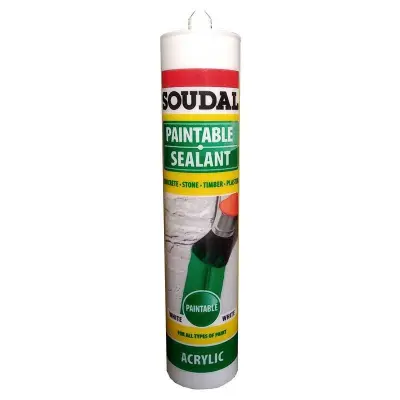
| Gaps you are going to paint: cornices, skirtings, around door and window frames, hairline wall cracks | Acrylic sealant | Water-based and paintable within the hour. |
| Gutters, flashings, metal, concrete and plaster joints | Neutral-cure silicone | Does not corrode metal or react with cement. |
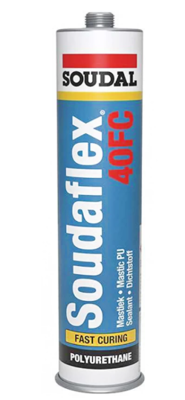
| Joints that move and must also be strong: masonry, wood, metal, expansion joints | Polyurethane | A tough, elastic adhesive-sealant. |
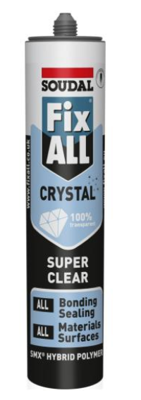
| Mixed materials, slightly damp surfaces, where you want to paint over it | Hybrid (MS polymer) | Sticks to almost anything and takes water-based paint. |
Silicone: two kinds, and one rule
Acetoxy silicone is the ordinary one that smells of vinegar while it cures. It grips glass, tiles, enamel, porcelain and stainless steel without a primer, which is why it is used around bathroom and kitchen fittings. The acid it gives off is also its weakness. Do not use it on concrete, plaster or fibre cement, on galvanised iron or lead, on marble and other natural stone, or behind mirrors, where it strips the silvering.
Neutral-cure silicone has little smell and none of those limits. It bonds to concrete, mortar and plaster and to most metals, including galvanised iron and aluminium, so it is the one for gutters, flashings and window perimeters. It can still stain marble and granite.
The rule: you cannot paint over silicone. Paint will not stick to it. If the area is to be painted, paint first, let it dry completely, then seal. Bathroom silicones contain a fungicide, which is why they are not suitable for fish tanks, and no fungicide replaces cleaning: mould grows on the soap and dirt left on the joint.
Acrylic: the painter's sealant
Acrylic sealant is water-based, cleans up with soapy water and can be painted in about an hour. Use it for bedding cornices, sealing between frames and walls, and filling fine cracks before painting, indoors or out. Keep rain and water off it for at least 24 hours.
Know its limits. It only suits joints with small movement. It is not for showers, baths or anything that stays wet, not for glass, not for floor joints, and it cannot be sanded. Gaps wider than 5 mm should be half-filled with a backing material first.
Polyurethane and hybrid sealants
Polyurethane cures into a tough rubber that glues as well as seals, on concrete, masonry, stone, wood and metal. It is what builders use for joints between walls and frames and for expansion joints. It can usually be painted with water-based paint once it has fully cured, but test first, because a brittle paint cracks over a flexible joint. It is not for sealing glass, not for swimming pools and not for anything permanently under water, and on porous surfaces a primer may be needed for a joint that lasts.
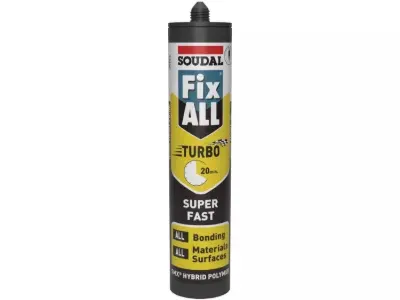
Hybrid sealants (often sold as MS polymer or "fix all") combine the two: they stick to nearly all surfaces, even slightly damp ones, have no solvent smell, resist weather and sunlight and take water-based paint.
Nothing sticks to polyethylene, polypropylene or Teflon. That covers many plastic tanks, buckets and pipes.
Getting a neat, lasting joint
- Clean and dry. Remove old sealant, dust, grease and soap. Rinse off cleaners and let alcohol-based ones evaporate: they stop sealant curing and sticking.
- Size the joint for the movement. A joint must be at least four times wider than the movement you expect. Three millimetres of movement in a 5 mm joint tears any sealant; in a 15 mm joint it is fine.
- Use a backing rod in deep gaps. A foam rod pushed into the gap controls the depth of the sealant and stops it sticking to the back, so it can stretch. As a guide, the bead should be about twice as wide as it is deep.
- Mask both sides for a clean line, and pull the tape off before the sealant skins.
- Smooth it straight away with a rounded tool or a finger dipped in soapy water. Silicone skins in about 3 to 5 minutes. Wet only the tool, not the joint.
- Avoid full sun while you work: the surface dries too fast.
Sealant cures from the outside in, at roughly 1 to 4 mm of depth per day depending on the type, so a normal bead is cured through in about a day and a deep joint takes longer. A 300 ml cartridge does about 11 to 12 metres of a 5 mm bead, or about 3 metres of a 10 mm joint.
Wood filler and crack filler: how long before sanding and painting
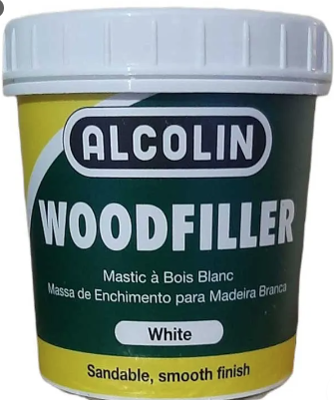
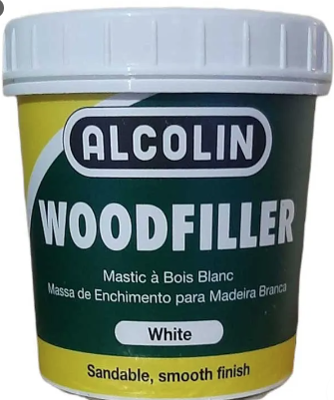
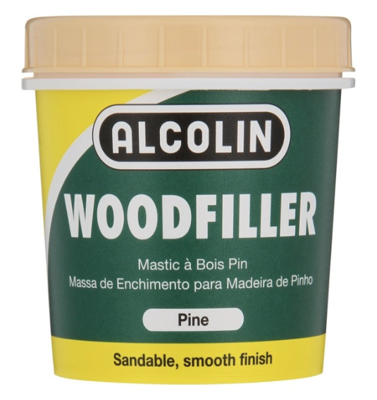
Wood filler. Alcolin Woodfiller is water-based and dries hard, so it can be sanded, drilled and painted or varnished. It dries in anything from 10 minutes for a thin fill to about 4 hours for a deep one. Fill deep holes in layers, letting each dry, because a single thick fill shrinks and cracks. It is not flexible and not water-resistant: outdoors it must be coated with varnish or paint, and it takes wood stain slightly differently from the wood around it.
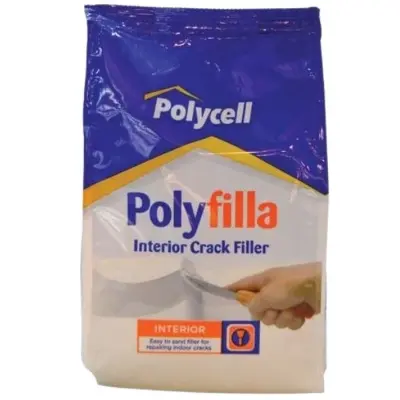
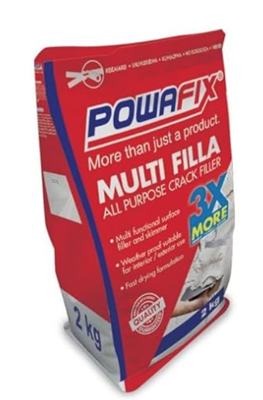
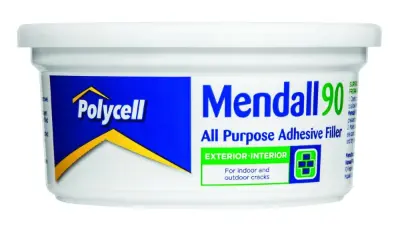
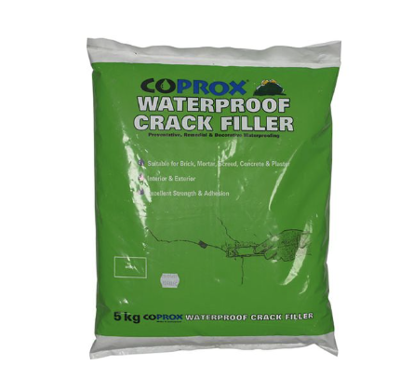
Interior crack filler. Alcolin's powder filler is mixed 3 parts powder to 1 part clean cold water, in a quantity you can use within 30 minutes. It fills gaps up to 10 mm; deeper cracks are built up in layers of 4 to 5 mm. Dampen narrow cracks first. Allow 3 hours before sanding and painting.
Fillers are for surface cracks. They are not for structural cracks caused by foundation movement, or for surfaces that flex.
Wear gloves, keep sealant off your skin and out of your eyes, and ventilate the room: acetoxy silicone gives off acetic acid and some sealants are solvent-based.
Products for this job
In stock at HPM now, with today's prices (incl. VAT). Tap a product for details, delivery and to add it to your cart.
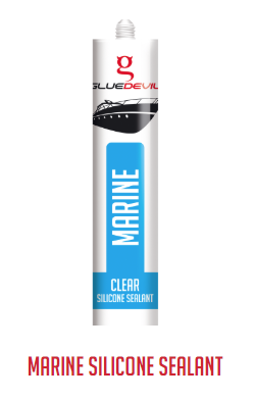
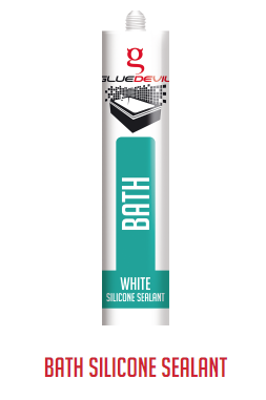
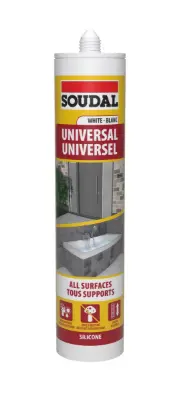
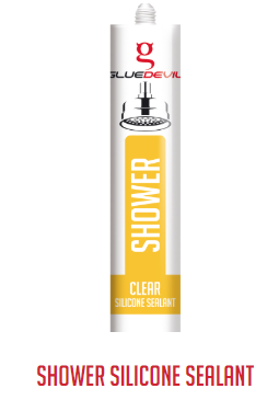
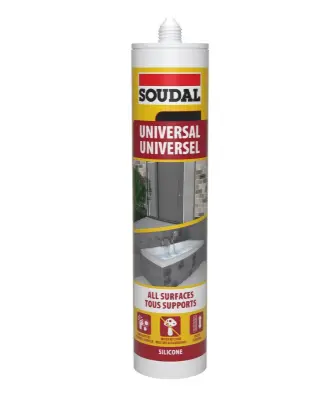
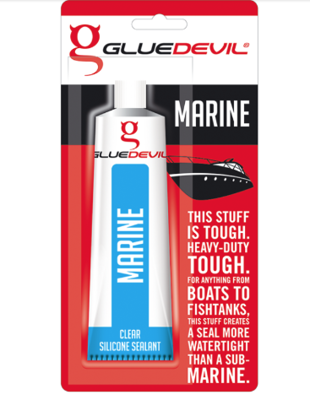
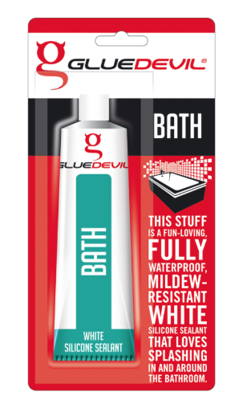
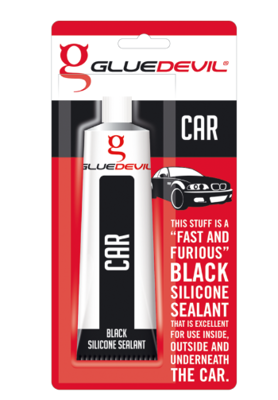
Silicone sealants
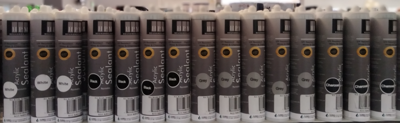
Acrylic, polyurethane and paintable sealants
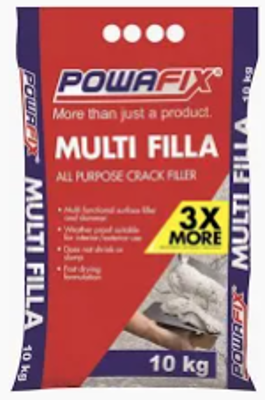
Wood filler and crack filler
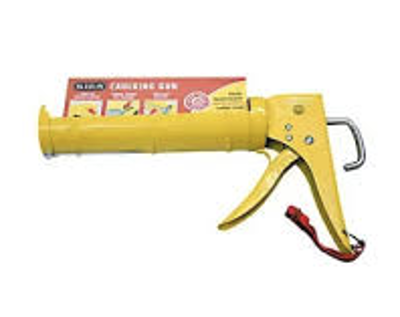
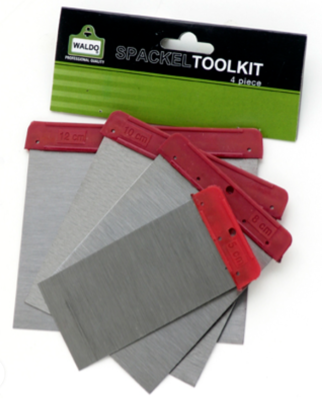
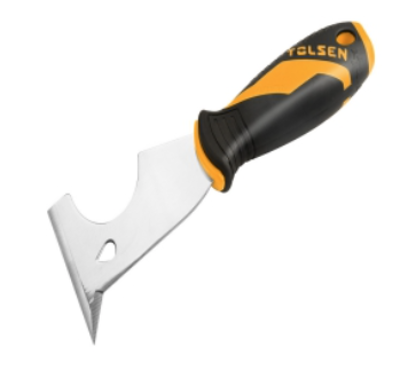
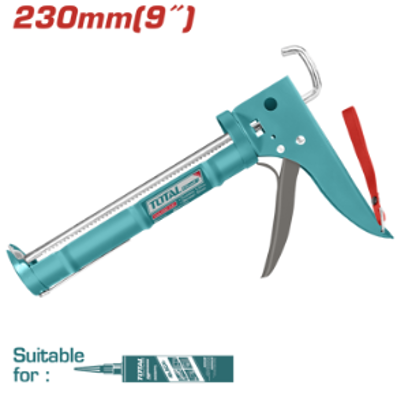
Caulking guns and tools


What you need
These links open the matching products in the HPM online store, with live prices (incl. VAT) and stock.
- Silicone sealants - bathroom, clear, white and marine
- Sealants - acrylic, polyurethane and paintable sealants
- Fasteners and adhesives - sealants, glues and fillers
- Wood filler - Alcolin, in wood colours
- Crack filler
- Caulking guns
Questions and answers
Can you paint over silicone?
No. Paint does not stick to silicone. If the area is going to be painted, paint first, let it dry completely and then apply the silicone, or use an acrylic or hybrid sealant, which can be painted.
What is the difference between silicone and acrylic sealant?
Silicone stays permanently elastic and waterproof, so it is used around baths, basins, showers and glass, but it cannot be painted. Acrylic is water-based and paintable in about an hour, so it is used for cornices, skirtings and gaps around frames, but it is not for wet areas or joints that move much.
Which sealant do I use on gutters and roof flashings?
A neutral-cure silicone. Ordinary acetoxy silicone gives off acetic acid as it cures and can corrode galvanised iron, and it does not bond to concrete or fibre cement. Neutral-cure silicone bonds to most metals and to cement surfaces.
How long does Alcolin Woodfiller take to dry?
From about 10 minutes for a thin fill to about 4 hours for a deep one, depending on thickness, temperature and humidity. Fill deep holes in layers and let each layer dry, because a thick fill can shrink and crack.
How long does silicone take to dry?
It skins in a few minutes, is touch dry in about an hour, and a normal bead is fully cured in about 24 hours. Deep joints take longer, because sealant cures from the outside in at a few millimetres a day.
Related guides
Delivery from HPM
Parcels up to 50 kg are delivered by courier anywhere in South Africa, with the rate shown at checkout. Heavy building materials such as cement, bricks, sand, stone and timber are delivered by our own trucks in the Western Cape, and any order can be collected free in Struisbaai.
WhatsApp 076 370 4367 for a quote, call 028 435 6331 or email [email protected].
Sources
The facts in this guide were checked against:
- Alcolin Silicone Sealant - Technical Data Sheet (2025) - Alcolin
- Alco-Flex Neutral Cure Silicone - Technical Data Sheet (2025) - Alcolin
- Alcolin Acrylic Sealant - Technical Data Sheet (2025) - Alcolin
- Sikaflex-11 FC Purform - Product Data Sheet (2021) - Sika South Africa
- Fix ALL Flexi - Technical Data Sheet (2021) - Soudal
- Alcolin Interior Crackfiller - Technical Data Sheet (2025) - Alcolin
General guidance only. Products, sites and building rules differ - always follow the product data sheet and your approved plans, and check with your municipality or a registered professional where the work is structural, electrical or needs approval. More short answers: Building Facts & Advice.