In short
- Plaster wants plaster sand; a floor screed wants concrete sand.
- Per 50 kg bag of cement: 150 litres of sand for outside plaster, 200 litres for inside.
- A richer mix is not better. Too much cement makes plaster craze and crack.
- One coat of plaster is 10 to about 15 mm. Never plaster in direct sun, and keep it damp.
- Straight or stepped cracks that change with the seasons come from the wall and need a specialist.
Plaster and floor screed are both cement and sand, but they want different sand, different mixes and different handling. This guide gives the mixes per bag of cement, explains how to prepare the wall or floor, and helps you tell a harmless crack from one that needs a specialist.
The sand matters more than the cement
- Plaster wants plaster sand: a fine natural pit, river or dune sand. Crusher sand is generally not suitable for plaster.
- A floor screed wants concrete sand, not plaster sand, with the largest particles sieved out.
- Clay and dust are the enemy. Sand with too much clay makes a fatty mix that clings to the trowel, needs a lot of water, and shrinks and cracks as it dries.
- Keep it clean. No roots, seeds, twigs or humus. Seeds and organic bits cause pop-outs in the finished plaster.
A simple site test for plaster sand: mix 2.5 kg of cement with 12.5 kg of sand and add water until it is a workable plaster. If it takes about 2.5 litres the sand is good. If it needs 3 litres it is average and fit for interior plaster only. At 3.75 litres or more it is poor.
Plaster mixes per bag of cement
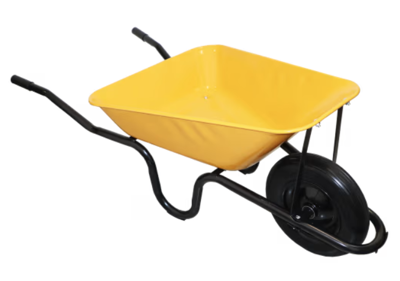
The mixes below are for one 50 kg bag of common cement. A builder's wheelbarrow holds 65 litres, levelled off at the rim.
| Where | Plaster sand per 50 kg bag |
|---|---|
| Outside walls | 150 litres, about 2.5 wheelbarrows |
| Inside walls | 200 litres, about 3 wheelbarrows |
| Plaster that stays damp: below the damp-proof course, plinths, garden walls | 130 litres, 2 wheelbarrows |
- Stronger is not better. A mix that is too rich in cement crazes and cracks. The cement industry's own advice is that a slightly weaker plaster that does not crack or come loose beats one that is too strong.
- Lime makes the mix easier to work and helps it hold water. Up to one 25 kg bag may be added per bag of common cement. Lime cannot replace cement.
- Masonry cement takes less sand per bag, and neither lime nor plasticiser may be added to it. Follow the bag.
- Never mix gypsum plaster (skim or finishing plaster) into cement plaster. In damp conditions it makes the plaster swell, soften and break up.
Preparing the wall
Plaster sticks to a wall that is rough, clean, sound and slightly absorbent. Throw a cupful of water at the wall to see what you have:
- The water runs off (hard face brick, smooth dense concrete): the wall needs a spatterdash coat first, a rough slurry of cement and coarse sand flicked on and kept damp for at least three days. Do not wet the wall.
- Some soaks in: plaster as it is.
- Most of it soaks in (clay stock bricks): wet the wall well and let the surface dry off before plastering. Cement bricks and blocks normally need no wetting.
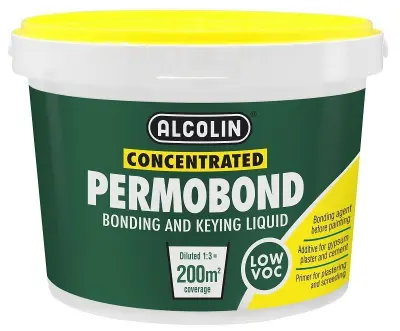
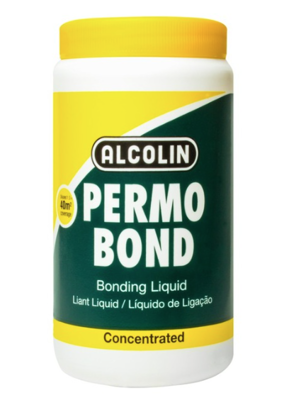
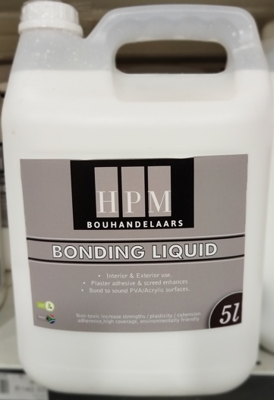
A bonding liquid helps on a properly prepared wall but is no substitute for preparation. Finish all chasing for pipes and conduits before you plaster.
Thickness, applying and curing
- One coat is 10 to about 15 mm thick, no more. Do not use thick plaster to hide a skew wall: hack off the high spots or build up the hollows in separate coats, scoring each undercoat to key the next.
- Use each mix within two hours and never revive it with more water.
- Never plaster in direct sun. Shield fresh plaster from sun and drying wind. Preferably the roof is on before plastering starts.
- Keep it damp. AfriSam's advice is to cover the plaster with plastic sheeting and keep it moist for at least seven days.
- Do not let plaster bridge the damp-proof course, and cut it through where two materials meet, such as brickwork and concrete.
- A wood float gives the normal finish. Very smooth steel-trowelled plaster tends to craze.
Reading cracks in plaster
| What you see | Cause | What to do |
|---|---|---|
| A fine web of shallow cracks, like crazed china | Over-trowelling a rich mix, or dusty sand. | Of little importance. A reasonable quality paint covers it. |
| A deeper map pattern, up to about 200 mm across | Too much cement, or the plaster dried too fast in sun and wind or on dry bricks. | Fill with a crack filler and paint. |
| A few wider cracks | Too much cement, poor sand or coats that were too thick. | Normally stable. Fill and paint. |
| Straight vertical or horizontal lines, or stepped diagonals, often wider in some seasons | The wall is moving, not the plaster. | Repairing the plaster does not help. Call in a specialist to find the cause. |
| A hollow sound when tapped | The plaster has come loose, usually from poor preparation or a coat that was too thick. | A patch the size of a plate does not matter. Larger areas should be removed and replaced. |
| Soft, powdery plaster | Too little cement, dusty sand, added water, or drying too fast. | Have it looked at before you paint or tile over it. |
All plaster shrinks as it dries. Good plaster does it as many fine cracks you cannot see rather than a few wide ones.
Floor screeds
A screed is a thin layer of cement and sand that gives a level surface for tiles, vinyl or carpet. It is a light-duty layer, and can serve as the finished floor only in places like a house garage or store room.
- Mix: one 50 kg bag of cement to 130 litres of concrete sand, which is two wheelbarrows, with just enough water for a workable mix. Masonry cement may not be used for screeds.
- How much: for each square metre at 25 mm thick, allow about 11 kg of cement and 28 litres of sand, plus 10% for waste.
- Thickness: 25 to 50 mm when bonded to hardened concrete. A screed laid loose over a damp-proof membrane must be at least 50 mm.
- Bond it. Clean the slab back to sound concrete, then scrub in a slurry of equal parts cement and fine sand and lay the screed while the slurry is still wet. If the slurry dries first, the screed will come loose.
- Compact it. A stiff, half-dry mix that is not properly compacted is a common cause of weak screeds. Place and compact each batch within 45 minutes of mixing.
- Cure it under plastic sheeting or wet hessian for at least seven days.
- A screed cannot hide cracks in the slab. They come through, and joints in the slab must be carried up through the screed.
Before tiling, the tile adhesive makers want a new screed to cure for about four weeks and new plaster for two: see tiling, adhesive and grout. For cement types and concrete mixes, see cement strength classes and mix ratios.
Products for this job
In stock at HPM now, with today's prices (incl. VAT). Tap a product for details, delivery and to add it to your cart.
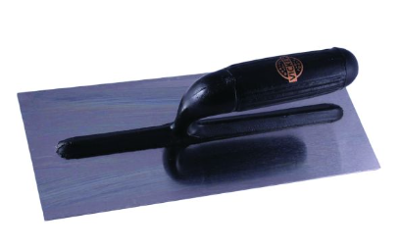
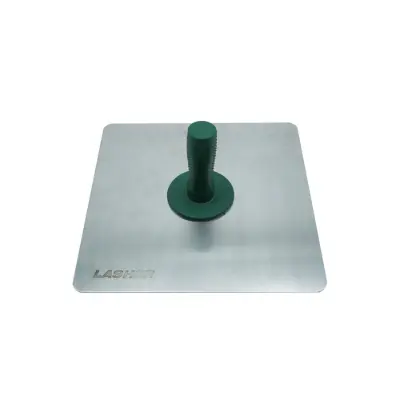
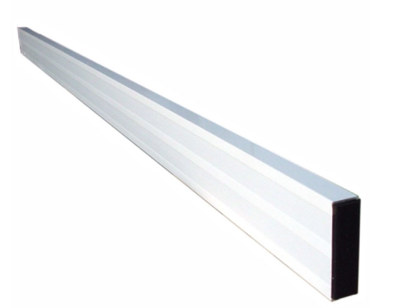
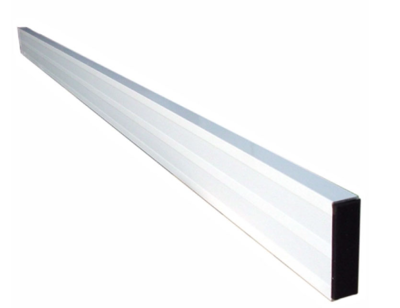
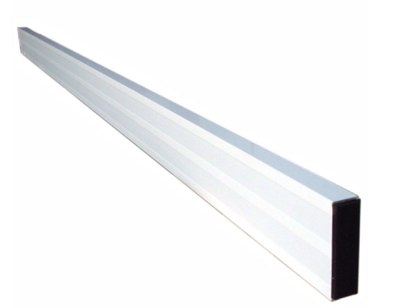
Trowels, floats and plastering tools

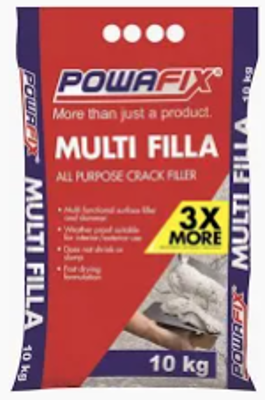
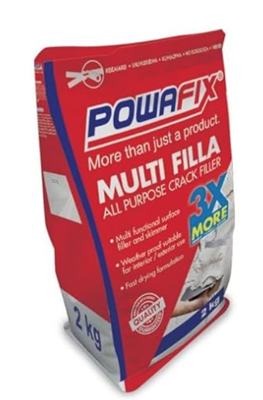
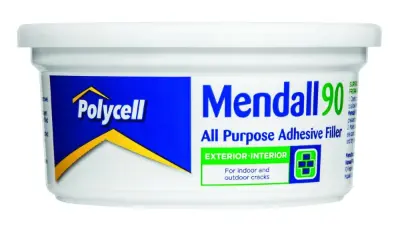
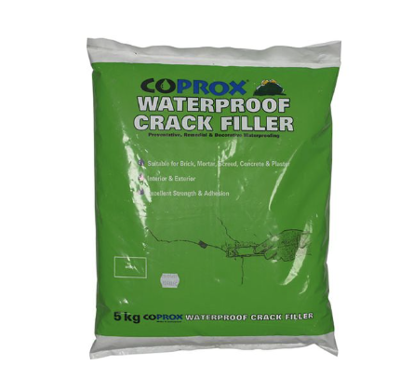
Crack fillers and bonding liquids

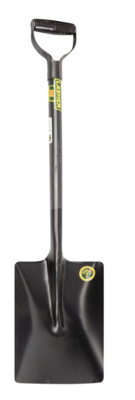
Wheelbarrows, spades and mixing


What you need
These links open the matching products in the HPM online store, with live prices (incl. VAT) and stock.
- Cement, sand and stone - cement, plaster sand and concrete sand
- Building materials
- Builder's lime
- Bonding liquid
- Plastering trowels and floats
- Crack filler - for crazing and shrinkage cracks
- Ask for sand and cement delivery - bulk sand goes by truck
Questions and answers
How much sand do I mix with a bag of cement for plaster?
Per 50 kg bag of common cement, Cement & Concrete SA gives 150 litres of plaster sand (about 2.5 builder's wheelbarrows) for outside plaster and 200 litres (about 3 wheelbarrows) for inside plaster. For plaster that stays damp, such as below the damp-proof course, use 130 litres (2 wheelbarrows).
What is the mix for a floor screed?
One 50 kg bag of cement to 130 litres of concrete sand, which is two builder's wheelbarrows, with just enough water for a workable mix. For each square metre at 25 mm thick allow about 11 kg of cement and 28 litres of sand, plus 10% for waste.
Can I use plaster sand for a screed?
No. Cement & Concrete SA says a screed should be made with concrete sand, not plaster sand, with the largest particles sieved out. Plaster, in turn, wants a fine natural plaster sand and not crusher sand.
Why does new plaster crack?
Fine crazing comes from over-trowelling a rich mix or from dusty sand, and is of little importance. Deeper map cracking comes from too much cement or from plaster drying too fast in sun and wind. Straight or stepped cracks that change with the seasons come from movement in the wall, and need a specialist.
How thick should plaster be?
A single coat should be 10 to about 15 mm thick and no more. Where a wall is badly out, hack off the high spots or build up the hollows in separate undercoats rather than applying one thick coat.
Related guides
Delivery from HPM
Parcels up to 50 kg are delivered by courier anywhere in South Africa, with the rate shown at checkout. Heavy building materials such as cement, bricks, sand, stone and timber are delivered by our own trucks in the Western Cape, and any order can be collected free in Struisbaai.
WhatsApp 076 370 4367 for a quote, call 028 435 6331 or email [email protected].
Sources
The facts in this guide were checked against:
- Successful plastering (2024) - Cement & Concrete SA
- Common defects in plaster (2024) - Cement & Concrete SA
- Sand-cement screeds and concrete toppings for floors (2024) - Cement & Concrete SA
- Your Guide to Plastering - AfriSam
- SANS 2001-EM1: Construction works - Cement plaster - South African Bureau of Standards
General guidance only. Products, sites and building rules differ - always follow the product data sheet and your approved plans, and check with your municipality or a registered professional where the work is structural, electrical or needs approval. More short answers: Building Facts & Advice.