In short
- A leaking toilet wastes 2,600 to 13,000 litres of water a month.
- Test with 15 drops of food colouring in the cistern: colour in the bowl after 15 minutes means a leak.
- Water running over the overflow tube points to the inlet valve; a leak with the level below it points to the flush valve.
- Buy an inlet valve to match the cistern: side or bottom entry, and the thread size.
- No putty, hand-tight nuts, and the overflow at least 25 mm above the water.
A toilet that keeps running wastes a great deal of water without anyone noticing. The Department of Water and Sanitation puts the waste from one leaking toilet at 2,600 to 13,000 litres a month. This guide explains how a cistern works, how to find which part is leaking, and how to buy the right replacement.
How a cistern works
There are two valves inside the cistern:
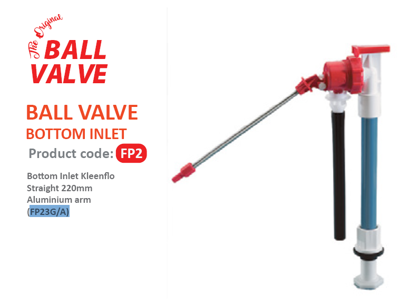
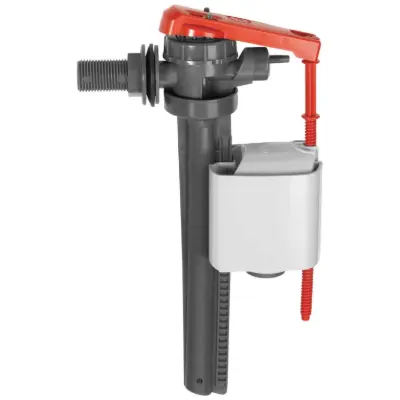
- The inlet valve (also called the float valve, ball valve or fill valve) lets water in and shuts when the float rises to the set level.
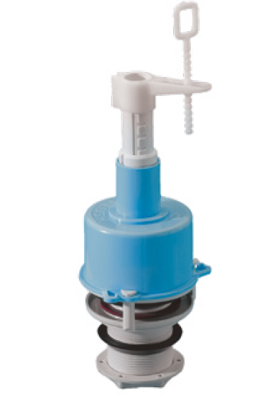
- The outlet valve (the flush valve) lifts to release the water into the pan when you work the handle or button, then drops back onto its seal.
Standing up from the flush valve is the overflow, a tube whose top sits above the water. If the inlet valve fails to shut, the extra water runs down the overflow into the pan instead of over the floor.
Is it leaking, and where?
Three quick tests:
- Listen for water trickling into the bowl.
- Paper test: press a piece of toilet paper against the inside back of the bowl. If it gets wet, water is running.
- Colour test: put 15 drops of food colouring into the cistern and do not flush. If the water in the bowl has changed colour after 15 minutes, the cistern is leaking into the pan.
Then lift the lid and look at the water level:
- Water running over the top of the overflow tube: the inlet valve is not shutting off, or the water level is set too high.
- Water level below the overflow, but still leaking into the pan: the flush valve is not sealing.
- Water on the floor behind the pan: a leak at the connection between cistern and pan or at the supply pipe.
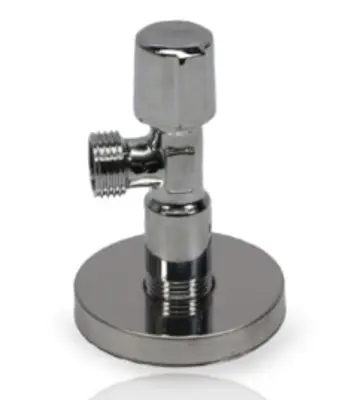
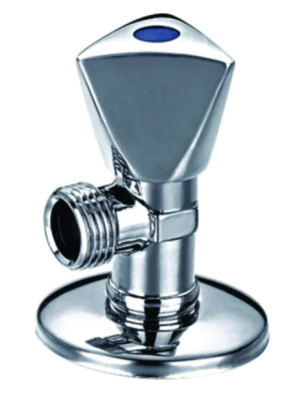
Until you can fix it, close the small stopcock (angle valve) at the base of the toilet between flushes.
Buying an inlet valve
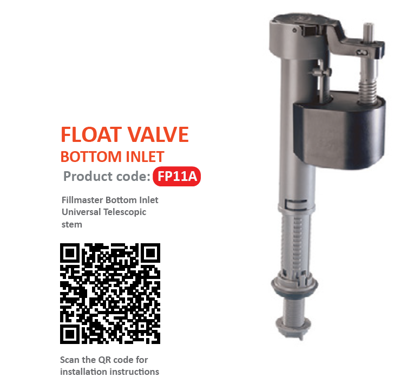
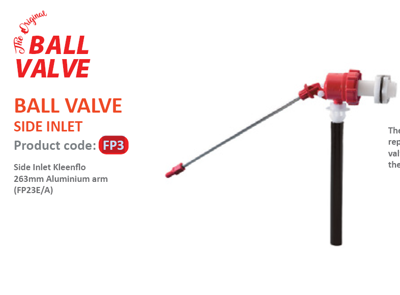
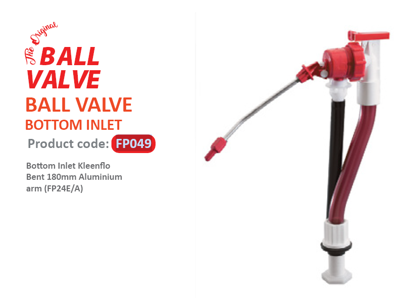
- Side entry or bottom entry? Look at where the water pipe enters the cistern: through the side wall, or up through the base. The valve must match.
- Thread size. Most are 15 mm, which is the same as 1/2 inch. Some are 3/8 inch. Check the old one.
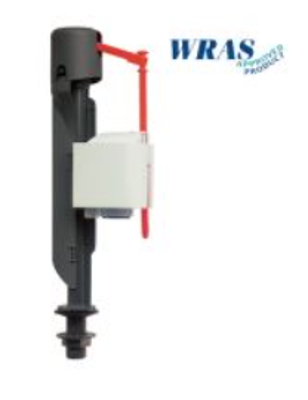
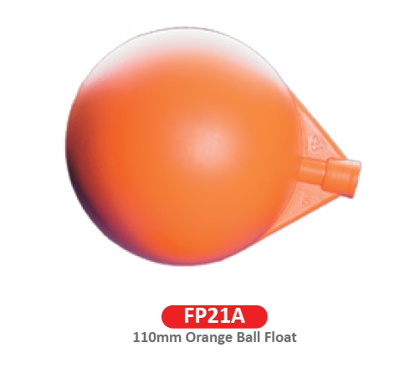
- Type. The traditional kind has a ball float on an arm. Compact kinds have a small float on the valve body and suit narrow cisterns; some are telescopic, so the height can be set.
- Bent or straight stem. Some bottom-entry valves have a bent stem made to fit particular makes of cistern.
A dripping valve does not always need replacing. Spares such as diaphragms, washers, arms and floats are sold for the common valves. Take the old valve, or a photo of the inside of the cistern, to the counter.
Flush valves and mechanisms
The replacement must match how your toilet flushes and what kind of cistern it is:
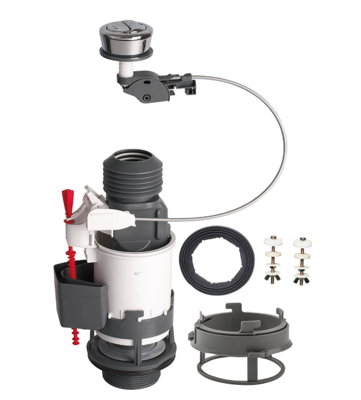
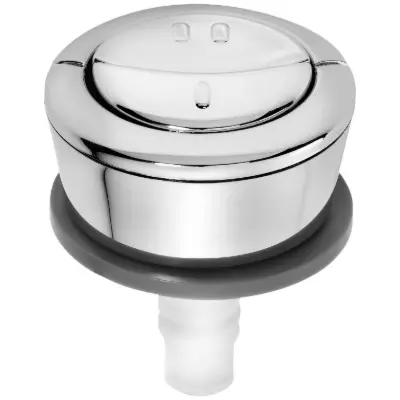
- Front lever, single top button or dual-flush button. The hole is either in the front of the cistern or in the lid.
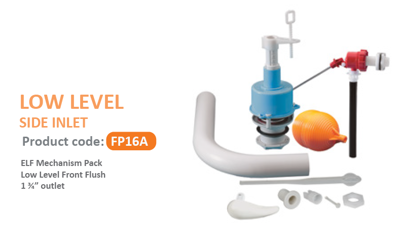
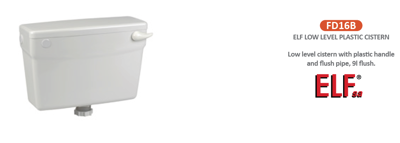
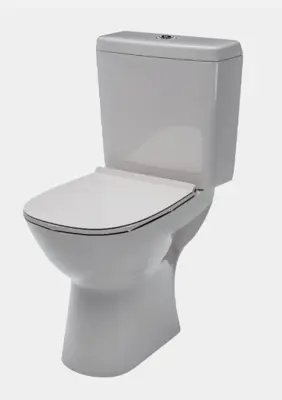
- Low-level or close-coupled. A low-level cistern hangs on the wall and joins the pan by a flush pipe. A close-coupled cistern is bolted onto the back of the pan.
- Dual flush has a small button for a half flush and a large one for a full flush.
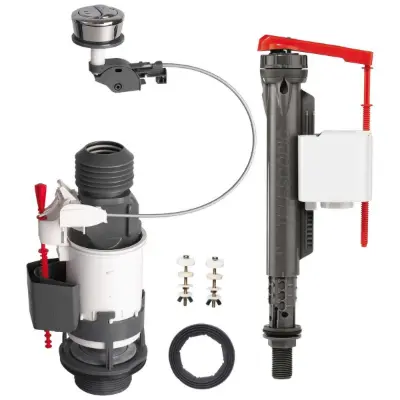
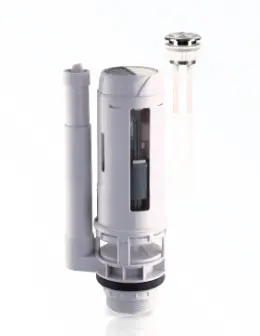
Complete mechanism kits, with flush valve, inlet valve, float and handle, are sold for common cisterns.
Fitting and setting the water level
- Close the angle valve at the toilet and flush to empty the cistern.
- Fit the new valve with its sealing washer on the inside of the cistern. The makers say it plainly: do not use putty, anywhere. The washers do the sealing.
- Tighten the plastic back nut by hand. Do not over-tighten.
- Make sure the float moves freely and does not touch the side of the cistern or the flush valve.
- Flush out the supply pipe before you connect it, to clear grit that would lodge in the new valve.
- Set the water level. The top of the overflow tube must be at least 25 mm above the water. If the water sits higher, it runs away down the overflow all day.
- Test. Flush several times, then repeat the food colouring test.
How the level is adjusted depends on the valve: a screw, a clip that moves the float, or a sliding float body. The leaflet in the pack shows it.
Saving water: a 9 litre cistern can be set to give a 6 litre flush by lowering the fill level, but the maker warns that this only works properly with a pan designed for a 6 litre flush.
Seats and hinges
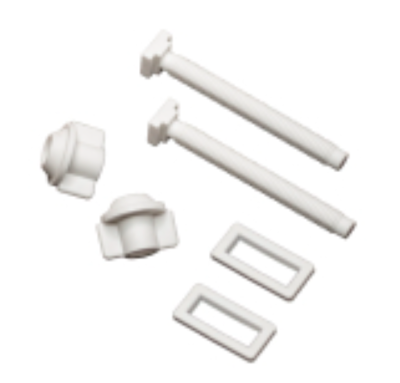
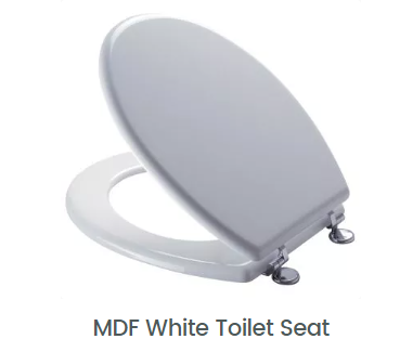
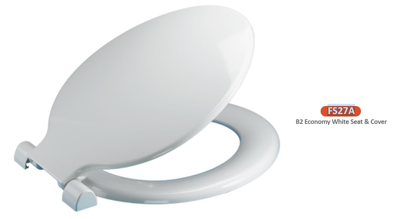
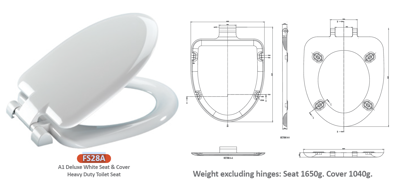
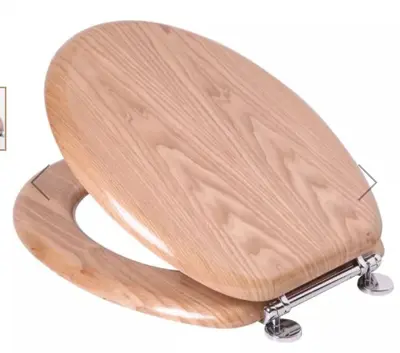
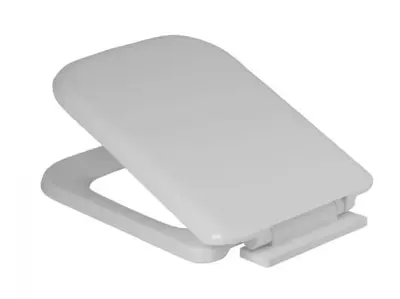
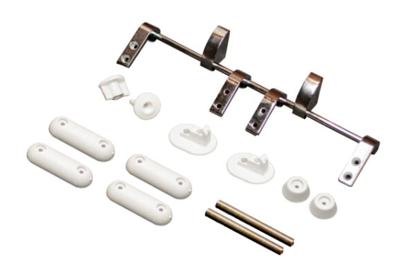
Toilet seat hinges are sold as sets, and they are specific to the seat. Take the old hinge or the name of the seat with you. Stainless steel hinge sets are also made.
When to call a plumber
Swapping a valve, a mechanism kit or a seat like for like is a job many people do themselves. Call a registered plumber for a cracked cistern or pan, a leak where the toilet joins the wall or floor, moving a toilet, or anything on the supply pipe inside the wall. Leaks on your property are your responsibility under the municipal by-laws. To check the whole house, close every tap, read the water meter, wait 15 minutes and read it again: if it has moved, something is leaking.
Related: taps and mixers and PVC pipe and fittings.
Products for this job
In stock at HPM now, with today's prices (incl. VAT). Tap a product for details, delivery and to add it to your cart.
Inlet valves and floats
Cisterns, mechanisms and spares
Toilet seats and hinges
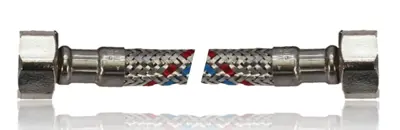
Angle valves and connectors
What you need
These links open the matching products in the HPM online store, with live prices (incl. VAT) and stock.
- Inlet (float) valves - side entry and bottom entry
- Cisterns and mechanisms - cisterns, mechanisms, stoppers and coupling bolts
- Plumbing - valves, fittings and spares
- Toilet seats and hinges
- Angle valves - the stopcock at the toilet
- Ask us to match a part - send a photo of the inside of the cistern
Questions and answers
Why does my toilet keep running?
Either the inlet valve is not shutting off, so water rises and runs down the overflow tube into the pan, or the flush valve is not sealing, so water leaks past it while the inlet keeps topping up. Lift the lid: water going over the top of the overflow points to the inlet valve or a level set too high; a lower water level points to the flush valve.
How do I test whether my toilet is leaking?
Put 15 drops of food colouring into the cistern and do not flush. If the water in the bowl has changed colour after 15 minutes, there is a leak. You can also press a piece of toilet paper against the inside back of the bowl: if it gets wet, water is running.
How much water does a leaking toilet waste?
Between 2,600 and 13,000 litres a month, depending on the flow of the leak, according to the Department of Water and Sanitation.
What is the difference between a side entry and a bottom entry inlet valve?
It is where the water supply enters the cistern: through the side wall or up through the base. The replacement valve must match, and so must the thread, which is usually 15 mm (1/2 inch) and sometimes 3/8 inch.
How high should the water be in a toilet cistern?
At the level mark for the cistern, and at least 25 mm below the top of the overflow tube. If the water sits higher than that, it runs away down the overflow continuously.
Related guides
Delivery from HPM
Parcels up to 50 kg are delivered by courier anywhere in South Africa, with the rate shown at checkout. Heavy building materials such as cement, bricks, sand, stone and timber are delivered by our own trucks in the Western Cape, and any order can be collected free in Struisbaai.
WhatsApp 076 370 4367 for a quote, call 028 435 6331 or email [email protected].
Sources
The facts in this guide were checked against:
- Installation Instructions for ELF Cistern - Dutton Plastics Engineering
- Fill Master inlet valve - installation leaflet - Dutton Plastics Engineering
- Inlet Valves - Dutton Plastics Engineering
- Find and fix leaks - water savings flyer (2019) - Department of Water and Sanitation
- Jollyfill Side Entry Inlet Valve 1/2 inch - product page - Wirquin South Africa
General guidance only. Products, sites and building rules differ - always follow the product data sheet and your approved plans, and check with your municipality or a registered professional where the work is structural, electrical or needs approval. More short answers: Building Facts & Advice.