In short
- Timber purlins take a Type 17 point screw of 85 to 90 mm; steel purlins take a self-drilling screw of about 65 mm.
- On a roof the screw goes through the crest of the sheet, never in the valley.
- IBR: four screws per sheet at the ends and overlaps, two at the purlins in between. Corrugated: five and three.
- Tighten only until the washer is gripped firmly. Over-tightening causes leaks.
- At the coast ask for Class 4 screws or the class your sheeting maker specifies.
A metal roof is only as good as its screws. They hold the sheets down in a south-easter and every one of them is a hole in the roof, sealed by a small rubber washer. This guide explains which screw goes into timber and which into steel, how long it must be, where on the sheet it goes, how many you need, and what to ask for at the coast.
Timber purlins or steel purlins?
The purlins are the timber or steel members the sheets are screwed to, and they decide the screw.
| Fixing into | Screw point | Typical screw for IBR |
|---|---|---|
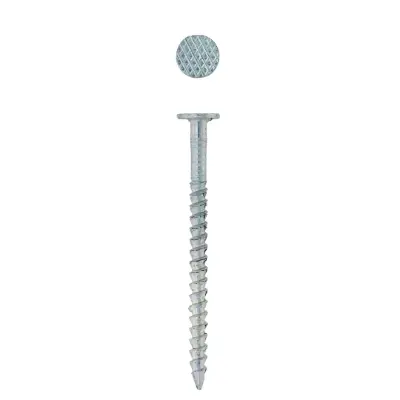
| Timber purlins | Type 17: a sharp, slotted point that cuts into wood without splitting it | 85 to 90 mm long, coarse thread |
| Steel purlins | Self-drilling ("tek") point that drills its own hole in the steel | 65 mm long, finer thread |
| Side cladding (walls) | As above | 25 mm |
| Stitching the side laps | Self-drilling | 22 mm |
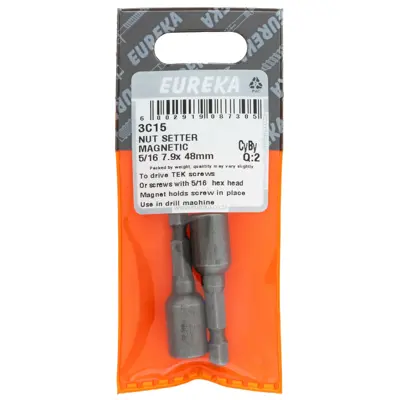
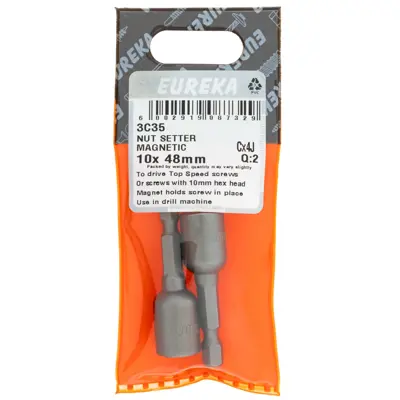
Both types have a hexagonal head, driven with a nut setter in a drill, and a bonded sealing washer under the head. A screw must go about 45 mm into a timber purlin. Into steel, the drill point and at least three threads must come out the far side. If there is insulation between the sheet and the purlin, the screw has to be longer by the thickness of the squashed insulation.
On a pack you may see a code such as 12-14 x 65: the last figure is the length in millimetres.
On the crest, not in the valley
On a roof, the screw goes through the top of the corrugation or rib, not down in the valley where the water runs. The South African sheeting makers are clear on this for both corrugated and IBR profiles. Valley fixing is for wall cladding only. Put the screw in the centre of the crest and drive it square to the purlin.
How many screws
The makers specify screws per sheet at each purlin, not per square metre:
- IBR: every rib at the ends of the sheet and where sheets overlap (4 per sheet), and every second rib at the purlins in between (2 per sheet).
- Corrugated: 5 per sheet at the ends and overlaps, and 3 at the purlins in between.
- Side laps: where one sheet overlaps the next along its length, stitch them together with short screws no more than 600 mm apart.
Those numbers assume the maker's purlin spacing and normal wind. Exposed coastal sites get stronger wind, and roofs there need more fixings: that is a matter for the roofer or engineer, not something to guess at. To estimate a quantity, count the purlins under one sheet, multiply by the screws at each, and add the stitching screws.
Driving the screw: do not over-tighten
- Tighten only until the washer is gripped firmly. Over-tightening squashes the rubber out from under the head or dents the sheet, and both leak. Under-tightening leaves the washer loose.
- Drill holes, do not punch them.
- Clear the swarf. The steel filings from drilling, and any dropped screws, must be swept off the roof and out of the gutters at the end of each day. Left there they rust and stain or eat into the sheeting.
- Seal the laps on low-pitched roofs with a butyl sealing strip.
Washers
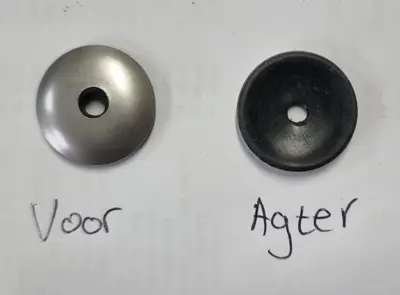
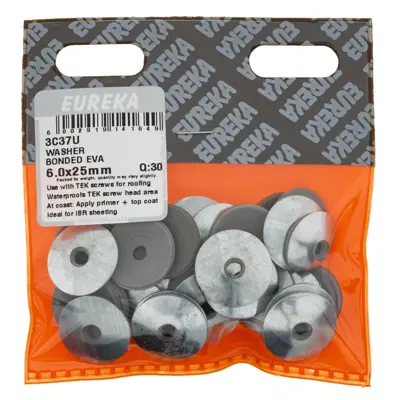
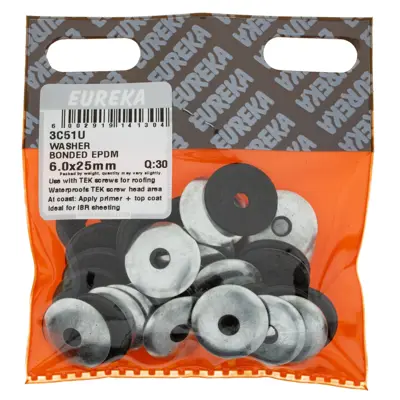
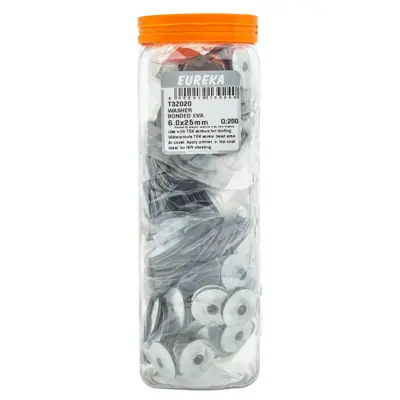
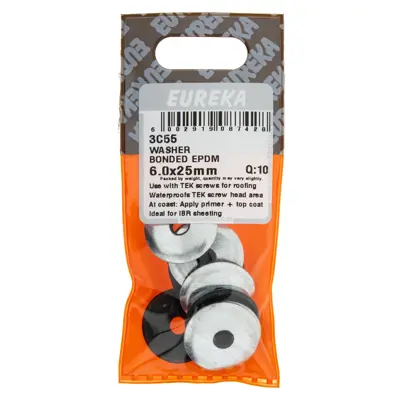
The washer does the waterproofing. Bonded washers are a metal cup with rubber underneath. EPDM rubber is the weatherproof type; EVA is the cheaper one. When you replace a screw, replace the washer with it.
Roofing screws at the coast
Roofing screws are coated to a class under SANS 1273, and the higher the class, the longer the coating lasts. The rule the sheeting makers give is that the screw must last at least as long as the sheet.
- Ask for Class 4 screws, the higher coating class sold over the counter, or the class your sheeting maker names.
- Check the sheet warranty. Some makers of coated sheeting only honour the warranty if a named class of screw was used.
- Do not assume stainless steel is the answer. One major sheeting maker lists stainless steel as incompatible in direct contact with galvanised and aluminium-zinc coated sheeting, because two different metals touching in salt air corrode each other. Follow the sheeting maker's fastener specification.
- Hose down the sheltered parts. Salt builds up under eaves and overhangs where rain never reaches, and it is aggressive on steel sheeting. A gentle hosing with clean water removes it.
Before you go up
Working on a roof is dangerous. Walk only where the purlins support the sheet, never step on translucent rooflight sheets, and leave anything beyond replacing a few screws on a low, safe roof to a roofing contractor. Purlin spacing and the number of fixings on a windy site are design decisions for a competent person.
HPM stocks purlin screws in a range of lengths, tek screws for timber and steel, and bonded washers. Related reading: coastal roof waterproofing and galvanised vs stainless steel fasteners.
Products for this job
In stock at HPM now, with today's prices (incl. VAT). Tap a product for details, delivery and to add it to your cart.
Purlin and roofing screws
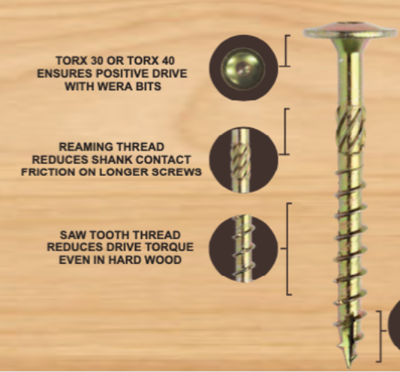
Purlin Screw 6 x 140mm
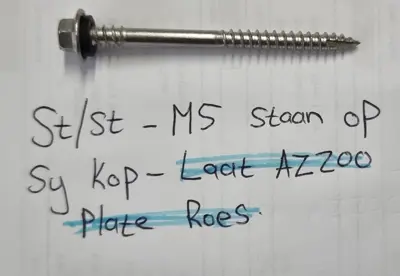
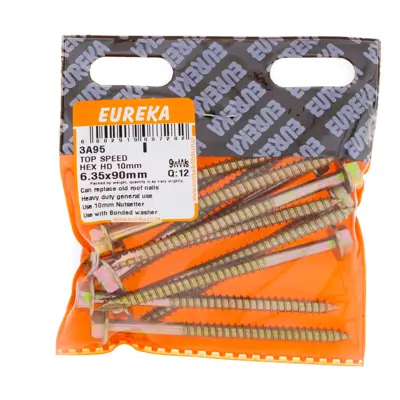
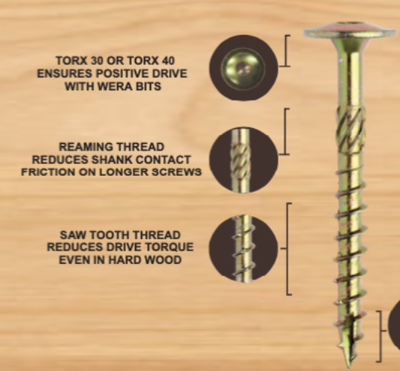
Purlin Screw 6 x 120mm
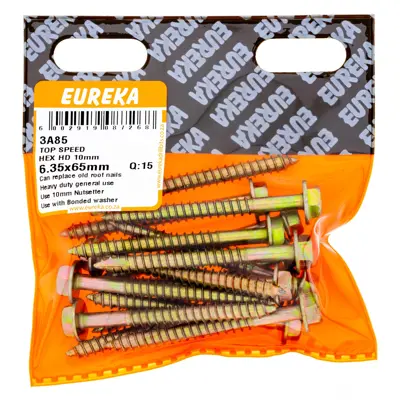
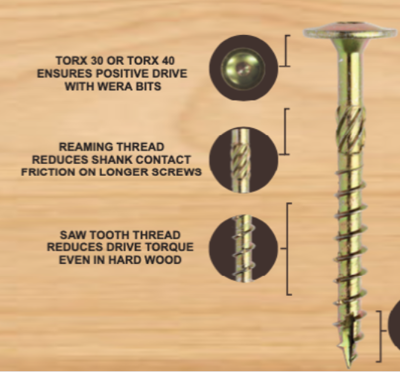
Purlin Screw 6 x 70mm
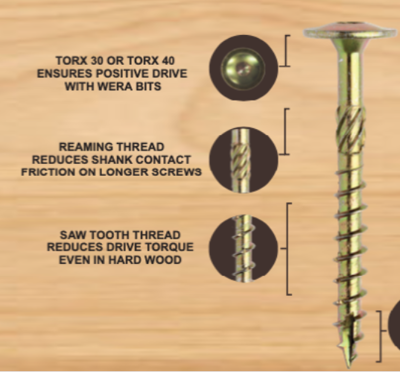
Purlin Screw 6 x 180mm
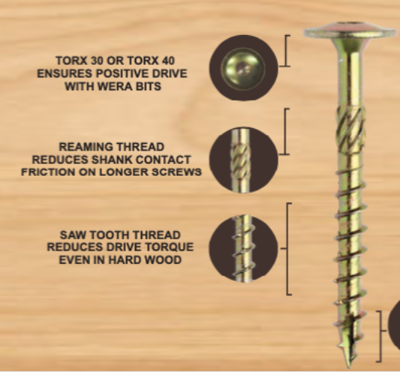
Purlin Screw 8 x 120mm
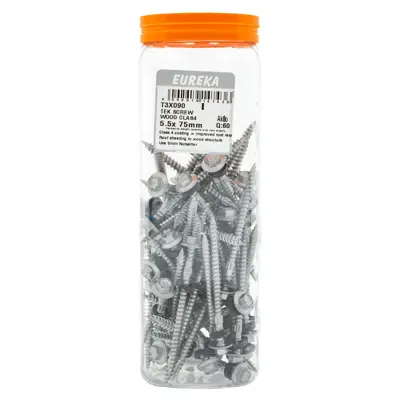
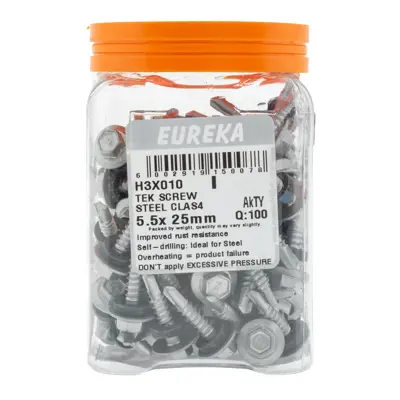
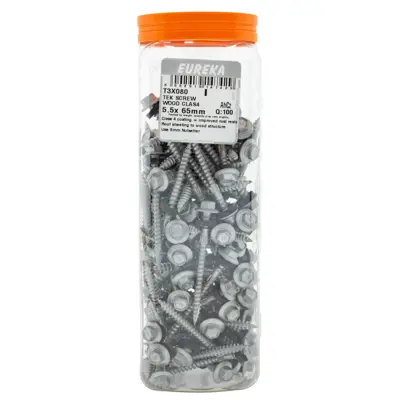
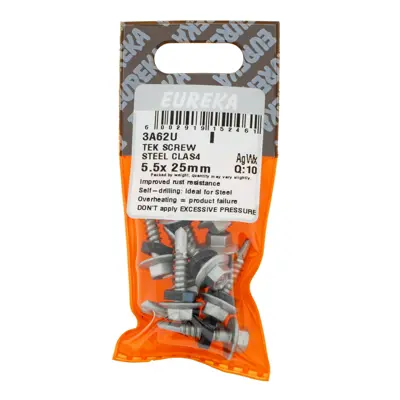
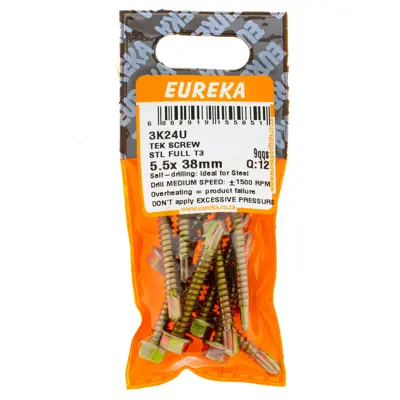
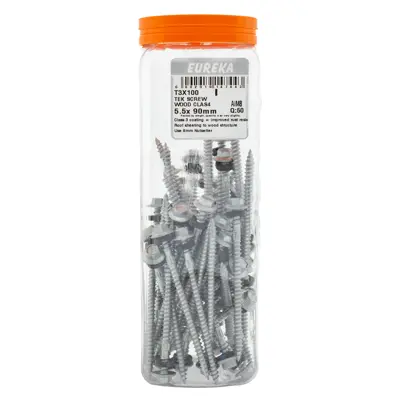
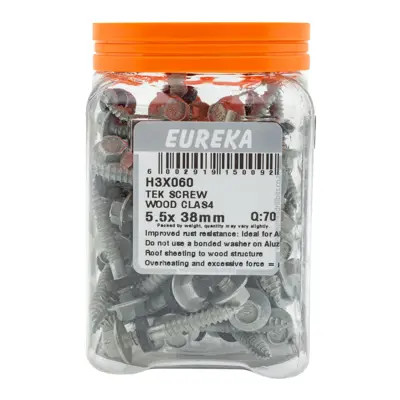
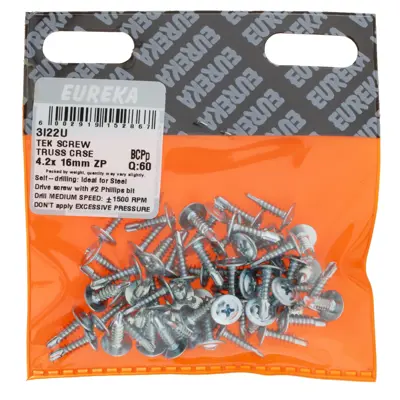
Tek screws for timber and steel
Washers, roof nails and nut setters
What you need
These links open the matching products in the HPM online store, with live prices (incl. VAT) and stock.
- Purlin screws - from 70 mm to 200 mm
- Tek screws - for timber (T17) and steel (T3)
- Fasteners and adhesives
- Bonded washers
- Roof and ceiling products
- Roof sealants and waterproofing - for laps and flashings
Questions and answers
What size screws do I use for IBR roof sheeting?
Into timber purlins, a Type 17 point roofing screw 85 to 90 mm long. Into steel purlins, a self-drilling roofing screw about 65 mm long. Both have a hex head and a bonded sealing washer. If there is insulation over the purlins the screws must be longer.
Do roofing screws go on the ridge or in the valley?
On a roof, through the crest (the high part) of the corrugation or rib. South African sheeting makers do not recommend valley fixing for corrugated or IBR roofing; it is used for wall cladding only.
How many roofing screws do I need per sheet?
For IBR, four screws per sheet at the ends and overlaps and two at each purlin in between. For corrugated sheeting, five and three. Add stitching screws along the side laps no more than 600 mm apart. Windy sites need more.
How tight should roofing screws be?
Tighten only until the washer is gripped firmly enough to seal. Over-tightening squashes the rubber out from under the head or dents the sheet, and both cause leaks.
What roofing screws should I use near the sea?
Ask for Class 4 coated roofing screws, or the class your sheeting maker specifies, since some sheet warranties depend on it. Do not assume stainless steel is right: one major sheeting maker lists stainless steel as incompatible in direct contact with galvanised and aluminium-zinc coated sheeting.
Related guides
Delivery from HPM
Parcels up to 50 kg are delivered by courier anywhere in South Africa, with the rate shown at checkout. Heavy building materials such as cement, bricks, sand, stone and timber are delivered by our own trucks in the Western Cape, and any order can be collected free in Struisbaai.
WhatsApp 076 370 4367 for a quote, call 028 435 6331 or email [email protected].
Sources
The facts in this guide were checked against:
- GRS Installation Manual - Steel Roofing & Walling - Global Roofing Solutions
- IBR 686 product brochure - Global Roofing Solutions
- IBR sheeting product brochure - Clotan Steel
- Cladding vs. the weather (2015) - Southern African Institute of Steel Construction / SAMCRA
- SANS 1273 (fasteners for roof and wall coverings) and SANS 10237 (roof and side cladding) - South African Bureau of Standards
General guidance only. Products, sites and building rules differ - always follow the product data sheet and your approved plans, and check with your municipality or a registered professional where the work is structural, electrical or needs approval. More short answers: Building Facts & Advice.