In short
- Matt for ceilings and quiet rooms, a washable sheen for busy walls, enamel for doors, frames and cupboards.
- Ordinary wall paint is not made for kitchens and bathrooms: use a moisture-resistant paint or a satin enamel.
- New plaster must dry about a week per 5 mm of thickness, then gets one coat of plaster primer.
- A litre covers about 8 to 10 square metres per coat. Wall area x coats, divided by 8, gives the litres.
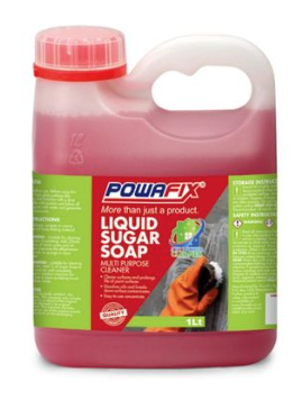
- Sand old enamel matt and wash with sugar soap before painting over it.
Painting a room is three decisions: which finish, what goes underneath it, and how much to buy. Get those right and the work itself is straightforward. This guide covers the sheen levels and where each belongs, the primer and undercoat each surface needs, how to work out the litres, and the preparation that decides how long the job lasts. The figures are from Dulux's data sheets; other makers print their own on the tin.
Sheen levels and where each one goes
| Finish | What it is like | Use it on |
|---|---|---|
| Matt | No shine. Hides plaster imperfections. Not for surfaces that are handled a lot. | Ceilings, bedrooms, lounges, passages. |
| Mid-sheen (silk or satin) wall paint | A soft shine. Washable and scrub-resistant. | Walls that get touched: passages, children's rooms, living areas. |
| Satin enamel | Tough, wipeable, resists steam and grease. | Doors, frames, skirtings, cupboards, furniture. |
| Gloss enamel | High shine, hard-wearing. | Doors, frames and trim where you want a glossy finish. |
The names differ from brand to brand, so read what the tin says the paint is for. Matt wall paint is not made for surfaces that are handled all day: use an enamel on doors, frames and cupboards.
Kitchens and bathrooms
Ordinary wall paint does not belong here. Dulux says of both its matt PVA and its silk wall paint that they are not suitable for kitchens and bathrooms. Use a paint made for steam and condensation, which resists moisture and mould, or a water-based satin enamel, which is steam and grease resistant. Even a bathroom paint is not meant for surfaces that are soaked all the time, such as the inside of a shower, and it should be left at least 24 hours before the room steams up.
Water-based or solvent-based enamel?
- Water-based enamel: low odour, does not yellow, touch dry in about an hour and ready for the next coat in 4 hours. Brushes wash out in water.
- Solvent-based enamel: the traditional hard gloss. Touch dry in about 4 hours, and it needs 18 hours before the next coat. Brushes are cleaned with mineral turpentine, and the paint is flammable.
Going from old enamel to a water-based paint needs preparation: sand the old enamel until it is matt, wash it with sugar soap, and apply an undercoat first if the tin says so.
What goes underneath
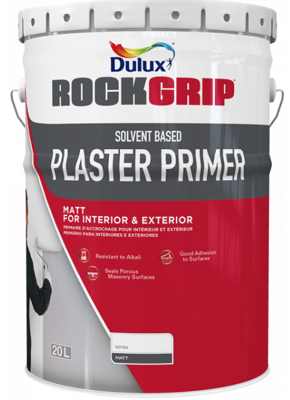
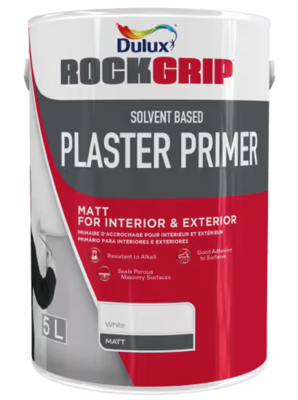
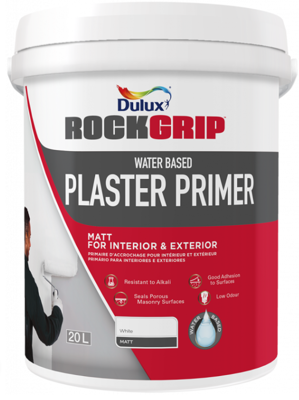
- New cement plaster: let it dry first, about one week for every 5 mm of thickness and longer in cold or damp weather. Then one full coat of alkali-resistant plaster primer. Do not paint bare plaster without priming.
- Skimmed (gypsum) plaster and ceilings: very absorbent. Prime, let it dry, then wipe a dark cloth over it. If white comes off on the cloth, it needs another coat of primer.
- Previously painted walls in good condition: no primer needed. Scrape and sand any flaking paint back to a firm edge, wash with sugar soap, rinse, let dry, and spot-prime bare patches.
- Powdery or chalky walls: paint will not hold on a powdery surface. Remove what is loose and seal with a bonding liquid.
- Filled patches: spot-prime them once dry, or they show through as dull patches in the finished wall.
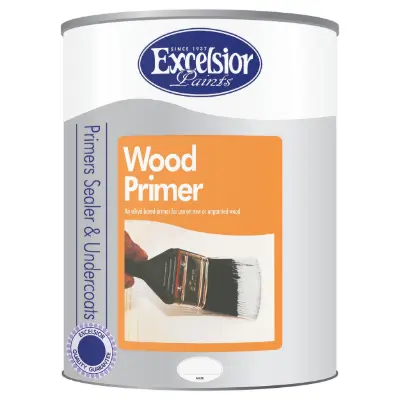
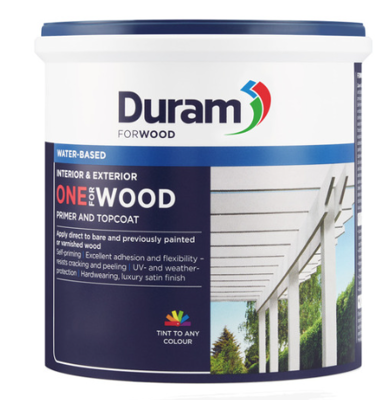
- New wood: wood primer, paying attention to the end grain, then an undercoat, then the finish.
- Steel: clean to bright metal, then one or two coats of steel primer. Dulux prefers two coats at the coast and says to paint over the primer within a week in sea air.
- Polystyrene cornices: water-based products only. Solvent-based primer attacks them.
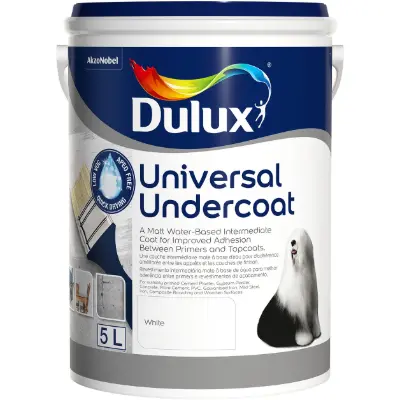
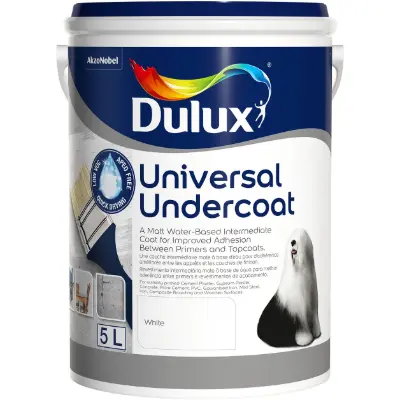
An undercoat is not a primer. It goes between primer and topcoat to help them bond, over old enamel before a water-based paint, and over a dark colour that has to become white or light.
How much paint do I need?
Dulux's wall paints, enamels and bathroom paint all cover about 8 to 10 square metres per litre, per coat. Rough or porous walls take more. New surfaces need two to three finishing coats for an even, solid colour.
- Measure each wall: length x height. Add them up and subtract the doors and windows.
- Multiply by the number of coats.
- Divide by 8 for a careful estimate (or 10 on smooth, sealed walls).
Example: a bedroom with 40 m² of wall, two coats: 40 x 2 = 80, divided by 8 = 10 litres. Two 5 litre tins. Plaster primer goes a little further, about 9 to 11 m² per litre, and you need one coat.
Preparation and drying
- Wash the walls with sugar soap to remove grease and chalky dust, then rinse.
- Kill mould before painting. Dulux's method is to scrub with a mix of four parts water to one part chlorine or sodium hypochlorite (bleach), keep it wet for at least four hours, rinse well and let it dry. Wear gloves and eye protection, ventilate the room and never mix bleach with other cleaners.
- Fill, sand, spot-prime. Wet-sand where you can, and wear a dust mask.
- Mind the weather. Do not paint below 10 °C or in wet weather. Water-based wall paint is touch dry in about an hour and can be recoated after about 4 hours on a mild day; allow longer in a cold or damp Overberg winter.
- Leave new paint alone for a week before you wash or scrub it.
Mould or damp that keeps coming back is a building problem, not a paint problem. Paint needs a dry wall: see damp-proofing basics. For outside walls, see exterior paint for coastal homes.
Products for this job
In stock at HPM now, with today's prices (incl. VAT). Tap a product for details, delivery and to add it to your cart.
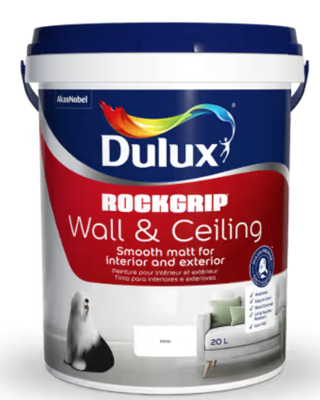
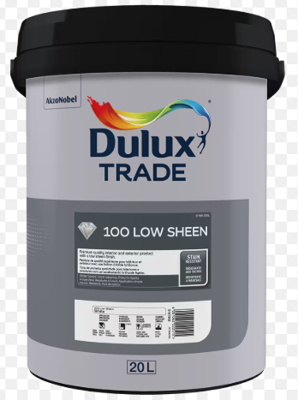
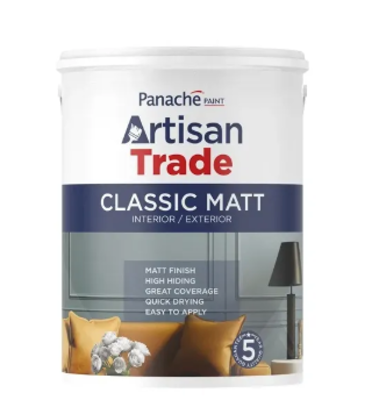
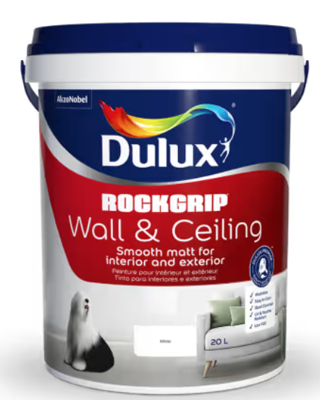
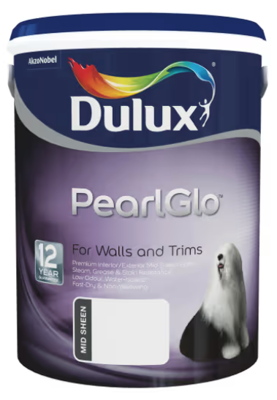
Wall and ceiling paint
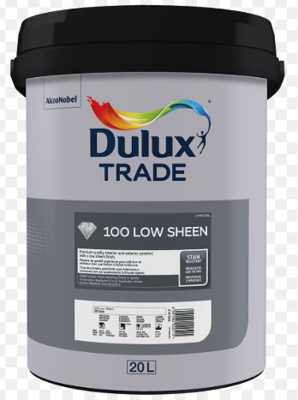
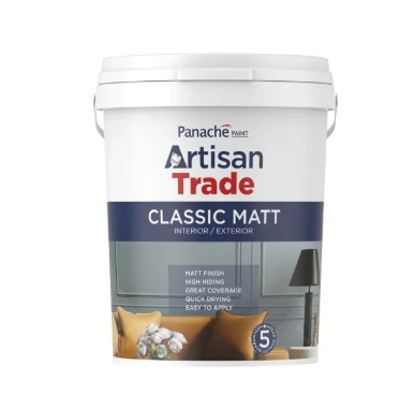
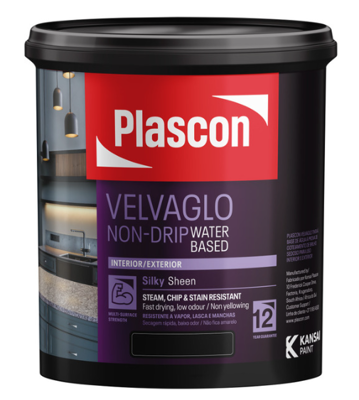
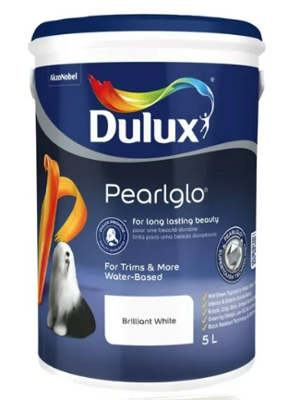
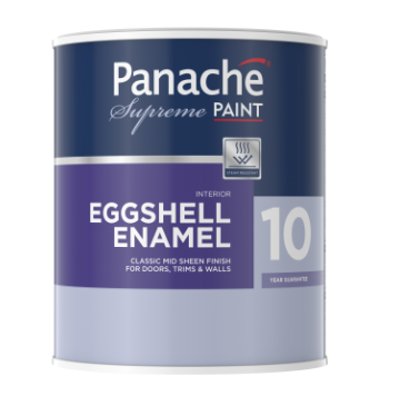
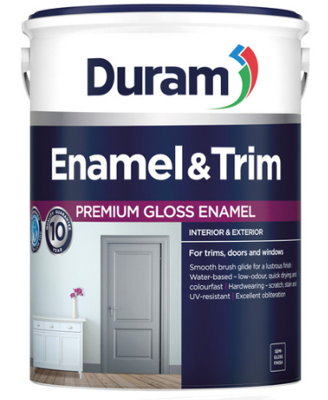
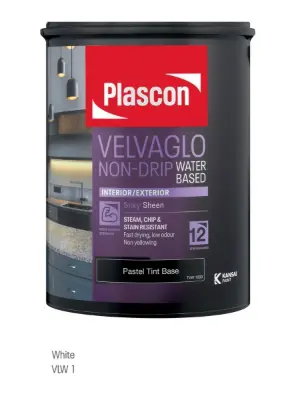
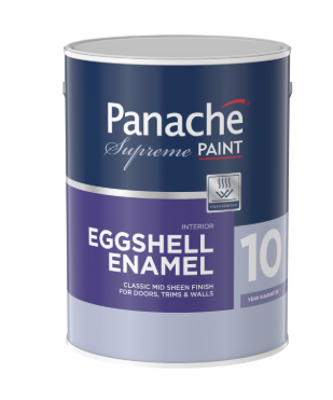
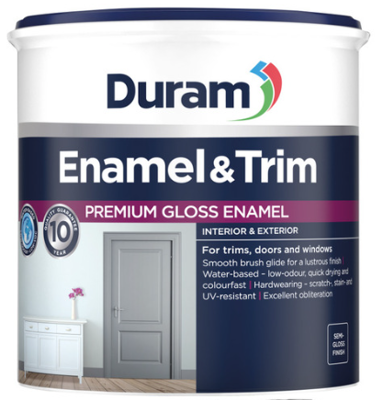
Enamel for doors, frames and cupboards
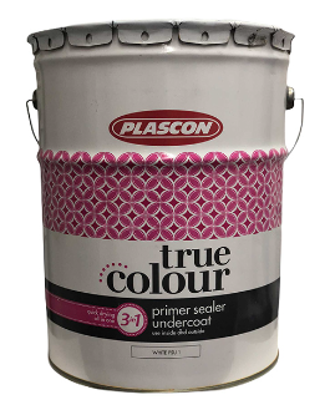
Primers and undercoats
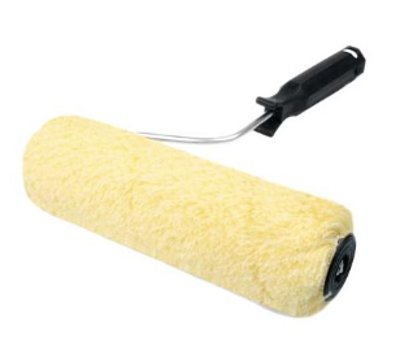
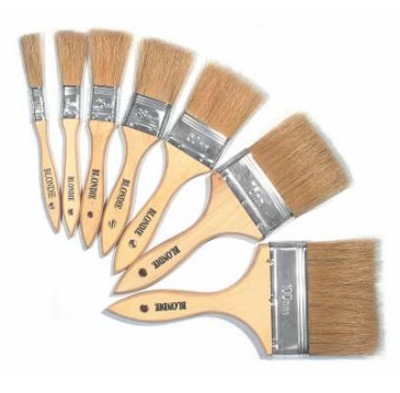
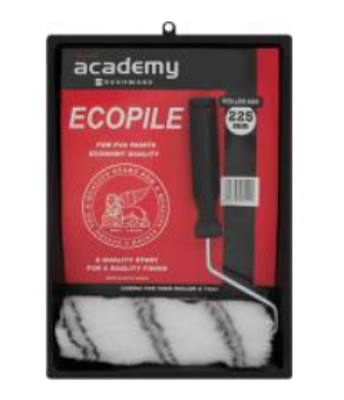
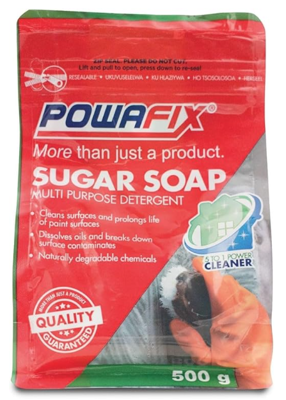
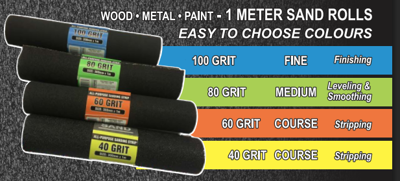
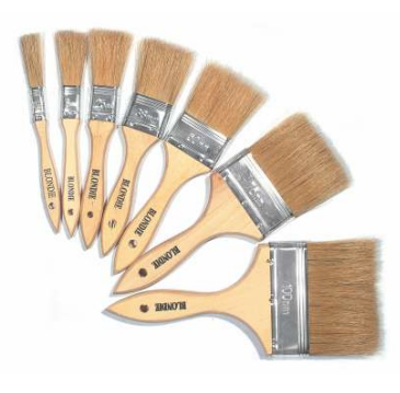
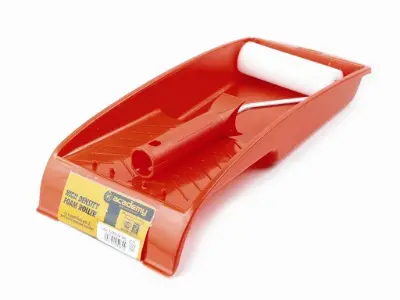
Rollers, brushes and preparation
What you need
These links open the matching products in the HPM online store, with live prices (incl. VAT) and stock.
- Paint - wall paint, enamel, primers and undercoats
- Plaster primer
- Undercoat
- Enamel - water-based and solvent-based
- Brushes, rollers and trays
- Fillers and sandpaper
Questions and answers
How much paint do I need for a room?
Measure the walls (length x height), subtract doors and windows, multiply by the number of coats and divide by 8. Most wall paints cover about 8 to 10 square metres per litre per coat. A room with 40 square metres of wall and two coats needs about 10 litres.
Should I use matt or sheen paint on interior walls?
Matt hides plaster imperfections and suits ceilings, bedrooms and lounges. A mid-sheen (silk or satin) wall paint is washable and scrub-resistant, so it suits passages, children's rooms and other walls that get touched.
What paint do I use in a bathroom or kitchen?
A paint made for steam and condensation, which resists moisture and mould, or a water-based satin enamel. Dulux states that its matt PVA and silk wall paints are not suitable for kitchens and bathrooms. Bathroom paint is still not meant for surfaces that are constantly soaked, such as inside a shower.
Do I need to prime walls before painting?
New plaster, yes: one full coat of alkali-resistant plaster primer once the plaster is dry. Sound, previously painted walls need no primer: wash them with sugar soap and spot-prime any bare or filled patches. Powdery walls must be sealed with a bonding liquid first.
How long before I can paint new plaster?
Dulux says to allow one week of drying for every 5 mm of plaster thickness, and longer in cold or damp weather. That is about two to three weeks for normal plaster. The wall must be thoroughly dry before it is primed.
Related guides
Delivery from HPM
Parcels up to 50 kg are delivered by courier anywhere in South Africa, with the rate shown at checkout. Heavy building materials such as cement, bricks, sand, stone and timber are delivered by our own trucks in the Western Cape, and any order can be collected free in Struisbaai.
WhatsApp 076 370 4367 for a quote, call 028 435 6331 or email [email protected].
Sources
The facts in this guide were checked against:
- Dulux Acrylic PVA - Technical Data Sheet (2019) - Dulux South Africa (AkzoNobel)
- Dulux Pearlglo Water-Based - Technical Data Sheet (2022) - Dulux South Africa (AkzoNobel)
- Dulux Plaster Primer - Technical Data Sheet (2021) - Dulux South Africa (AkzoNobel)
- Dulux Universal Undercoat - Technical Data Sheet (2025) - Dulux South Africa (AkzoNobel)
- Dulux Gloss Enamel - Technical Data Sheet (2022) - Dulux South Africa (AkzoNobel)
- Dulux Interior Luxurious Silk - Technical Data Sheet (2019) - Dulux South Africa (AkzoNobel)
General guidance only. Products, sites and building rules differ - always follow the product data sheet and your approved plans, and check with your municipality or a registered professional where the work is structural, electrical or needs approval. More short answers: Building Facts & Advice.